Author: Sandeep Srivas

  • Why Cross-Chain IBC, Slashing Safety, and Airdrop Claims Matter — and How to Handle Them Without Losing Sleep

    Whoa. Okay — quick confession: I got hooked on Cosmos because it felt like the first time I could actually imagine chains talking to each other without chains yelling. My instinct said “this will change things,” and honestly? It did. But it’s messy. And that mess is what I want to talk about: cross-chain interoperability through IBC, the slashing landmines that can trip up even careful validators and delegators, and the little gold-rush of airdrops that are more nuisance than free money if you don’t plan.

    Here’s the thing. Interoperability is seductive. You see assets move from chain A to chain B, you think everything’s seamless — but somethin’ felt off the first few times I used it. Transactions look simple on the surface. Underneath, timeouts, packet loss, relayer trust, and differing chain upgrade schedules make for weird edge cases. Short version: IBC works, but it requires respect.

    Let me start with a concrete mental model. Picture IBC like a postal system between micro-nations. Most of the time, letters get delivered fast. Sometimes, a storm delays a truck and a package times out and comes back. Now imagine some packages are staked tokens that need to stay bonded. If your validator elsewhere double-signs, or relayers mis-handle packets during an upgrade window, you can see slashing events ripple across relationships. That image has stuck with me. It helps when explaining this to friends who aren’t protocol nerds.

    Illustration: packages moving between islands, with one storm cloud over a bridge

    IBC: Powerful, but with trapdoors

    Seriously? Yep. IBC moves tokens and state between Cosmos chains by sending ordered/unordered packets with proofs. Medium-level summary: connectors (relayers) pass packets and proofs, light clients validate. Sounds tidy. But there are dozens of practical failure modes. Relayer downtime, packet timeouts, out-of-sync headers, and chain forks — these can all lead to stuck tokens or require manual intervention.

    Initially I thought “set it and forget it.” Actually, wait — let me rephrase that: I thought the relayers would be the only operational burden. On one hand that was true; on the other hand, governance upgrades on either chain can break relayers, and your wrapped asset on the destination chain might be vulnerable until things settle. My brain still skips a beat when I see “IBC packet timeout” in my wallet history. It’s not always catastrophic, but it is a pain.

    What you can do: monitor. Subscribe to relayer alerts. Use chains with good observability and run a light client or faucet of logs. And if you’re moving large amounts, test with small transfers first. I know — obvious. But people routinely skip it during hype cycles.

    Slashing protection: boring but life-saving

    Hmm… slashing is the adult supervision of staking. Boring? Yes. Critical? Also yes. If a validator double-signs or goes offline during an unbonding window, the network can (and will) penalize. For delegators, that can mean lost stake. For validators, it can mean reputational and financial damage. For cross-chain setups, things get hairier.

    Here’s an awkward truth: many folks treat slashing as purely on-chain risk, but off-chain operations (like relayers and IBC packet handling) create correlated risks. Let me give an example. A validator runs a node and also runs relayer software. During a misconfiguration, both the node and relayer make conflicting transactions or miss blocks during a governance upgrade. Suddenly, delegators are slashed and their tokens on other chains are stuck. I know that sounds paranoid, but I’ve seen similar patterns in multi-service setups where one human error cascades.

    Practical steps: separate concerns. Run validators and relayers on different machines or accounts. Use key-management best practices. Consider slashing protection services or modules that prevent accidental double-signing (for validator operators). Delegators should prefer validators with multi-sig ops and strong operational transparency — that actually matters. I’m biased, but I favor validators who publish uptime stats and postmortems when things go wrong. It bugs me when they don’t.

    Claiming airdrops — the fun bit that can burn you

    Air drops. Who doesn’t love them? Free tokens feel like candy in crypto. But here’s where humans get sloppy. Claiming often requires connecting wallets, signing transactions across chains, or moving stake around to meet snapshot requirements. Do it wrong and you can leak keys, sign malicious messages, or get griefed by front-runners. Really.

    One time, I tried to claim an airdrop for a bridged asset. I used the same browser extension for everything, clicked fast, and later found tiny approvals lingering in weird smart contracts. On reflection, my gut screamed “is this safe?” and I ignored it. Lesson learned: minimal approvals, hardware wallets when possible, and verify contracts independently. Also: keep different wallets for different purposes. It’s clunky, but isolation reduces risk.

    If you’re embedded in the Cosmos world and want a solid UX for cross-chain claims, the keplr wallet is a real practical option — it’s designed for Cosmos’ IBC flows and makes chain-switching less painful. I use it for day-to-day interactions. (Not an ad — just what I reach for.)

    Operational checklist — what I actually do

    Okay, so check this out — here’s my rough checklist for managing IBC transfers, staking safely, and claiming drops without drama:

    – Use separate wallets for governance/airdrop claims and for long-term staking. Seriously. Keep hardware wallets for the big stuff.

    – Before big transfers, send micro-tests. One small IBC packet first. Then bigger. This saves headaches.

    – Monitor relayers and validator health. Opt into alerts. If you run a validator, segregate keys and services so a single mistake doesn’t trigger dual failures.

    – Minimize approvals when interacting with contracts. Revoke old allowances periodically. Check contract addresses from reliable sources — don’t blindly paste from random tweets.

    – Keep an eye on governance timelines. Upgrades mean relayers may pause and packets can timeout; plan transfers around that. Think ahead rather than at the last minute.

    FAQ — common practical questions

    What is the riskiest part of moving assets via IBC?

    Packet timeouts due to relayer downtime or chain upgrades. You’re most exposed when a token is in transit and the relayer isn’t relaying. That’s when packets can get stuck and manual intervention is needed. Also, misconfigured packet timeouts can cause funds to return or be unrecoverable until governance action fixes it.

    How do I avoid getting slashed?

    Delegators: choose validators with clear ops practices, and spread stake to avoid single points of failure. Validators: use double-sign protection, rotate keys carefully, and automate safe upgrades. Also, don’t run conflicting software that could cause double-signs — separate the roles.

    Is there a wallet that makes claiming airdrops and doing IBC easier?

    Yes — for Cosmos users I often recommend the keplr wallet. It streamlines chain selection, IBC transfers, and signing flows in a way that feels native to Cosmos. That said, couple it with hardware wallets for larger holdings and don’t rely on one tool for everything.

  • How to Find the Cheapest Cross-Chain Path: My Take on Relay Bridge and Aggregators

    So I was thinking about why my last cross-chain transfer felt like a toll road—slow, confusing, and suddenly expensive. Whoa! Fees piled up in places I barely noticed. My instinct said something felt off about the “best” route quoted by a single bridge provider, and that gut hit turned into a small obsession.

    Initially I thought a single large bridge would always be cheapest because of liquidity. Actually, wait—let me rephrase that: big liquidity helps, but routing, token wrapping, and relayer incentives change the math. On one hand you get fewer hops; on the other hand some hops add hidden slip or wrapping fees. Hmm…

    Here’s the thing. Cross-chain aggregators aim to solve that mismatch by comparing multiple bridges and relayers, then stitching the cheapest path together. Really? Yes, though the devil is in the data feed frequency and on-chain execution model. My experience shows that an aggregator that refreshes quotes frequently and can split liquidity across bridges will usually beat a single-bridge quote, but only if gas and execution path are modeled properly.

    Illustration of tokens moving across chains with fee comparisons

    Why “cheapest” isn’t always obvious

    Short answer: fees come in layers. Long answer: you pay native gas, bridge protocol fees, wrapping/unwrapping costs, relayer incentives, and often a spread on token conversion. Some protocols hide costs in slippage rather than explicit fees. And then there’s the user UX tax—inefficient approvals, retries, and failed txs that eat gas. Whoa!

    Aggregators endeavor to quote all that, but they need fast on-chain data, historical slippage models, and good routing heuristics. I once routed USDC from Ethereum to BSC and the naïve quote looked cheap till I checked the conversion step on the destination chain—turns out an intermediate wrapping added a 0.3% fee I missed. That burned a bit. I’m biased, but that part bugs me.

    Cheapest path changes in minutes. Market moves, liquidity shifts, mempool congestion. On one hand an aggregator can adapt, though actually, some aggregators refresh too slowly and you get stale quotes. My rule: prefer an aggregator with frequent cadence and the ability to cancel or adjust if slippage jumps.

    Okay, so check this out—Relay Bridge (I’ve used their interface a couple times) markets itself as a low-fee, high-speed route option. I’m not endorsing blindly, but the architecture they expose focuses on minimized hops and optimized relayer economics. You can read more at the relay bridge official site.

    There. One link, naturally embedded. Back to the dirt: route composition matters. Some aggregators split your transfer across multiple bridges to avoid slippage and to leverage deep liquidity pockets. That sounds clever, and most of the time it is—until you get into cross-chain composability where wrapping differences can cause tiny rounding errors and dust balances. That stuff annoys ops teams, very very important to watch.

    System 1 reaction: “Wow—that’s clever.” System 2 reasoning: you need to quantify the tradeoff between splitting liquidity (lower price impact) and paying multiple fixed fees. Initially I thought splitting was always better, but then realized fixed fees can dominate for small transfers. On the other hand, for large transfers slippage can cost you more than added fixed fees. So, context matters.

    One practical heuristic I use: for transfers under ~$1,000, prefer single-hop bridges with transparent fixed fees; for larger transfers, let an aggregator run optimized multi-hop routing with split liquidity. This isn’t a hard rule—it’s more like a starting point that often saves me money in real-world tests.

    How cross-chain aggregators actually pick the cheapest route

    At the core: they model costs. Medium-level complexity here—the models include gas for each chain, expected slippage given liquidity depth, bridge protocol fees, relayer payouts, and conversion rates for intermediate tokens. Then they simulate execution, sometimes on a testnet or through dry runs. Some even estimate mempool waiting times to predict gas storms.

    My instinct said “you can’t predict mempool”, but then I watched a routing engine use recent blocks to forecast probable inclusion time with surprising accuracy. That changed my stance. However, there’s still uncertainty—high-impatience users pay a premium for speed. There’s a tradeoff curve between gas and time that most aggregators expose as a slider; use it.

    Also: watch for hidden wrap/unwrapping. Some bridges wrap tokens into a protocol-specific representation that must be unwrapped downstream. Those conversions sometimes take on-chain approvals and extra gas, which many wallets gloss over. If you care about minimizing total cost, factor those in manually at first till the aggregator proves reliable.

    Pro tip: simulate a transfer on small amounts first. Really. It takes two minutes and will expose surprising edge cases—token decimals, dust, or incompatible token representations. I did a test transfer where my wallet UI showed success but a 0.0001 token dust remained inaccessible because of a rounding mismatch. Small but maddening.

    FAQ

    Q: How do I pick the cheapest bridge for a one-off transfer?

    A: For one-off, small transfers, choose a trusted single-hop bridge with clear fees and strong liquidity. For medium to large transfers, check an aggregator that compares routes and can split liquidity. Also run a small test transfer to catch UX edgecases. I’m not 100% sure about every edgecase, but this approach saved me gas many times.

    Q: Are aggregators safe to use?

    A: Safety depends on the aggregator’s architecture (on-chain vs. off-chain matching), multisig or governance controls, and whether they custody funds at any step. Prefer aggregators that use non-custodial settlement and publish route simulation details. Audits help, but audits aren’t magic—they are snapshots in time. Always be conservative with large amounts.

    Q: Why not always pick the lowest quoted fee?

    A: The lowest quote can be misleading if it’s stale, omits wrap costs, or assumes ideal slippage. Also some cheap routes add complexity on the destination chain that creates operational costs. My practice: verify quote freshness, read the route breakdown, and, if possible, split large transfers to hedge execution risk.

    Alright—here’s my closing impression. Using an aggregator that understands the nuances of relayer incentives and token wrapping will usually get you closer to the true cheapest path. But watch for stale quotes, rounding quirks, and fixed fees that bite small transfers. Sometimes the simplest bridge is the cheapest in practice, even if the quoted numbers say otherwise.

    I’m curious to hear if you’ve had a transfer that surprised you. Share the story—I’ll probably overanalyze it. Somethin’ tells me we’ll learn from the mistakes faster than from the wins…

  • Analyse des critiques négatives les plus fréquentes sur Nine casino

    Auteur : Dubois — analyste iGaming et expert des casinos en ligne agréés en France.

    Ce document s’adresse aux joueurs qui lisent des avis et aux responsables qualité des opérateurs de jeux souhaitant comprendre les motifs récurrents d’insatisfaction. Il vise à clarifier quels éléments reviennent le plus souvent dans les commentaires négatifs et pourquoi ces plaintes peuvent influencer le choix d’un site. Le lecteur y trouvera des critères concrets pour évaluer la légitimité des critiques et des indications pour vérifier les points sensibles. Le propos reste factuel et utile pour quelqu’un qui compare plusieurs plateformes avant de jouer.

    Une grande partie des retours négatifs provient de malentendus sur les règles, de problèmes de vérification d’identité ou d’attentes décalées entre le joueur et l’opérateur. Les avis publiés sur https://ninecasinoavis.net illustrent souvent ces cas, sans pour autant permettre de généraliser à l’ensemble des utilisateurs. Il est important de distinguer les critiques fondées sur des comportements répétés et celles liées à des incidents isolés. Cette différenciation aide à prioriser les points à investiguer lors d’une évaluation.

    Méthodologie d’analyse des avis

    L’examen des retours suit trois étapes simples : collecte des avis publics, catégorisation par thème, puis vérification factuelle des allégations. La collecte s’appuie sur sources publiques et agrégateurs, en excluant les doublons et commentaires non pertinents. La catégorisation vise à isoler problèmes techniques, litiges de paiement, expérience utilisateur et service client. La vérification croise les dates, captures d’écran éventuelles et réponses officielles du support pour établir un état des faits. Illustration sécurité et avis

    Principales critiques récurrentes

    Plusieurs types de plaintes reviennent régulièrement et forment l’essentiel des commentaires négatifs. Les problèmes de retrait et les délais de paiement sont parmi les plus signalés, souvent associés à une procédure de vérification stricte. Les pannes techniques ou bugs sur la plateforme, notamment lors de sessions en direct ou de jeux sur mobile, apparaissent ensuite. Enfin, la qualité du service client — temps de réponse et pertinence des réponses — est fréquemment évaluée comme insuffisante par certains utilisateurs. Le tableau ci-dessous synthétise ces éléments et leur fréquence relative observée lors de l’analyse.

    Type de critique Fréquence observée Impact pour le joueur Vérification recommandée
    Retraits / délais Élevée Bloque l’accès aux gains Contrôler les conditions de retrait et documents demandés
    Vérification d’identité Moyenne Frictions pour le joueur Vérifier la liste des pièces acceptées et temps de traitement
    Bugs techniques Moyenne Expérience utilisateur dégradée Tester la plateforme sur plusieurs appareils
    Service client Variable Insatisfaction et malentendus Mesurer temps de réponse et qualité des réponses

    Erreurs fréquentes ou mythes

    Certains malentendus se transforment en mythes : ils amplifient les critiques sans raison factuelle. Les points ci-dessous détaillent ces erreurs et comment les éviter.

    • Erreur : confondre délai administratif normal et refus définitif. Explication : un traitement de documents peut prendre plusieurs jours ; éviter de conclure à un blocage tant que le support n’a pas répondu. Éviter en : fournir rapidement des pièces conformes et conserver les échanges.
    • Erreur : attribuer tout bug à une intention de fraude. Explication : des interruptions temporaires peuvent provenir d’une maintenance ou d’une surcharge serveur. Éviter en : vérifier les annonces officielles et tester ultérieurement.
    • Erreur : généraliser un incident isolé à l’ensemble des utilisateurs. Explication : certains comptes rencontrent des problèmes liés à leur historique ou à des vérifications spécifiques. Éviter en : rechercher la récurrence dans plusieurs avis.
    • Erreur : ignorer les conditions générales. Explication : beaucoup de litiges découlent d’une méconnaissance des règles de bonus ou mise minimale. Éviter en : lire les CGU et demander des précisions avant de jouer.

    Recommandations pratiques

    Pour réduire le risque de mauvaise expérience, voici des vérifications et actions simples à réaliser avant et pendant l’utilisation d’une plateforme. Ces recommandations visent à protéger le joueur et faciliter la résolution d’un litige éventuel.

    • Vérifier la licence et l’adresse légale de l’opérateur sur son site et via les autorités compétentes.
    • Consulter les conditions de retrait, seuils et délais, ainsi que la liste des documents demandés pour la vérification.
    • Tester le service client par un message simple avant de déposer des fonds pour évaluer le temps de réponse.
    • Contrôler les avis récents sur plusieurs sources pour détecter des tendances plutôt que des incidents isolés.
    • Conserver captures d’écran et échanges en cas de litige pour accélérer toute procédure de réclamation.

    Mini-études de cas et comparaisons

    Cas 1 : un joueur signale un retard de paiement de 7 jours. Après vérification des échanges, il apparaissait que des documents manquaient et que le support avait demandé des précisions. L’incident s’est résolu une fois les pièces fournies et la procédure suivie.

    Comparaison : deux plateformes A et B subissent des critiques similaires sur les délais. A répond systématiquement en moins de 24 heures et documente les étapes ; B a des réponses plus lentes. Cette différence de réactivité influence l’expérience perçue et la confiance des joueurs.

    Synthèse pour le lecteur

    L’analyse des avis négatifs révèle des motifs récurrents mais rarement irréversibles : la plupart des problèmes tiennent à des procédures ou à des défauts d’information. Le lecteur dispose maintenant d’un cadre pour distinguer plaintes isolées et signaux répétés, ainsi que d’une check-list pratique pour réduire les risques. Appliquer ces vérifications facilite l’anticipation des difficultés et améliore la capacité à résoudre rapidement un litige si nécessaire.

  • Metódy platby v kasíne Nine

    Úvod do metód platby v kasíne Nine

    V dnešnej dobe je výber metód platby v online kasínach mimoriadne dôležitý faktor, ktorý môže ovplyvniť celkový herný zážitok. Kasíno Nine ponúka rôzne možnosti, ktoré uspokoja široké spektrum hráčov. Bankové karty, ako Visa a MasterCard, sú klasickou voľbou pre mnohých, pretože poskytujú užívateľskú prívetivosť a rýchle spracovanie platieb.

    Okrem toho, elektronické peňaženky, ako PayPal a Skrill, zaznamenávajú rastúcu popularitu. Tieto metódy nie len že zabezpečujú rýchlosť výberov, ale aj vysokú úroveň bezpečnosti transakcií. Hráči tak môžu bez obáv spravovať svoje financie, čo je v súlade s reguláciou KYC, ktorá chráni ich osobné údaje.

    Je dôležité mať na pamäti aj poplatky spojené s rôznymi spôsobmi platieb, pretože niektoré metódy môžu byť nákladnejšie než iné. Hráči by mali zvážiť svoju voľbu, aby minimalizovali náklady a zabezpečili si tak bezpečnosť transakcií. V kasíne Nine sa usilujeme o kombinované platby, ktoré umožnia hráčom získať to najlepšie z oboch svetov a benefity, ako rýchlosť výberov a užívateľská prívetivosť, pretože https://ninecasino7.it/sk/.

    V našich nasledujúcich sekciách sa podrobnejšie pozrieme na jednotlivé metódy, ich výhody a nevýhody, aby ste si mohli vybrať to najlepšie riešenie pre váš herný štýl.

    Prehľad dostupných metód: bankové karty a elektronické peňaženky

    Pri výbere metód spracovania platieb sú bankové karty a elektronické peňaženky medzi najobľúbenejšími možnosťami. Bankové karty sú známe svojou širokou akceptáciou a robustným zabezpečením, čo zaručuje vysokú bezpečnosť transakcií. Umožňujú rýchle a pohodlné platby, často s nízkymi poplatkami, čo z nich robí preferovanú voľbu pre mnohých užívateľov.

    Na druhej strane, elektronické peňaženky ponúkajú výhody ako rýchlosť výberov a zvýšenú užívateľskú prívetivosť. Tieto digitálne nástroje sú ideálne pre tých, ktorí preferujú kombinované platby a rýchlu manipuláciu s prostriedkami. S rozšírením regulácie KYC (Know Your Customer) sa však zvyšujú požiadavky na zabezpečenie aj pri týchto metódach. Je dôležité zvoliť si poskytovateľa, ktorý dodržiava určité normy bezpečnosti.

    Hoci bankové karty i elektronické peňaženky majú svoje výhody, kvalita skúsenosti závisí od konkrétneho poskytovateľa a jeho prístupu k reguláciám a poplatkom. V konečnom dôsledku je vhodné sa bližšie pozrieť na vlastnosti a podmienky, aby ste našli najvhodnejšie riešenie pre vaše potreby.

    Bezpečnosť transakcií a regulačné požiadavky KYC

    Bezpečnosť transakcií sa stáva kľúčovým faktorom v online platbách, najmä s rastúcim počtom podvodov a kybernetických útokov. V tejto súvislosti zohráva regulácia KYC (Know Your Customer) dôležitú úlohu pri zabezpečení dôvery a integrity platobných procesov. KYC zabezpečuje, že finančné inštitúcie poznajú svojich zákazníkov, čím minimalizujú riziko podvodu.

    Rôzne metódy vyberania platieb, ako sú bankové karty a elektronické peňaženky, majú svoje vlastné bezpečnostné opatrenia. Napríklad, spracovanie platieb pomocou bankových kariet často zahŕňa autentifikáciu cez 3D Secure, ktorá dodatočne zvyšuje úroveň ochrany. Naopak, elektronické peňaženky sa spoliehajú na technológie šifrovania, čím zabezpečujú citlivé údaje používateľov.

    Regulácie KYC sa zameriavajú nielen na bezpečnosť, ale aj na zefektívnenie procesov. Tieto regulácie pomáhajú zlepšiť užívateľskú prívetivosť služieb, pretože rýchlosť výberov a transparentnosť poplatkov sú pre zákazníkov zásadné. Kombinované platby, ktoré umožňujú používateľom využiť viacero metód, tiež zvyšujú flexibilitu a pohodlie pri nákupoch.

    Spoločnosti, ktoré dodržiavajú tieto pravidlá, si môžu zachovať dobrú povesť na trhu a získať tak dôveru svojich klientov. Transparentnosť v spracovaní platieb a informovaní zákazníkov o reguláciách posilňuje vzťahy a zabezpečuje, že každý používateľ sa cíti chránený vo svojej virtuálnej interakcii s finančným svetom.

    Spracovanie platieb a rýchlosť výberov

    Spracovanie platieb je kľúčovým faktorom pre každého užívateľa online platforiem. Pri voľbe výberovej metódy treba zohľadniť bezpečnosť transakcií, poplatky a užívateľskú prívetivosť. Bankové karty a elektronické peňaženky sú najbežnejšie spôsoby, ktoré umožňujú rýchle a efektívne transakcie.

    Dôležitou súčasťou je aj regulácia KYC, ktorá zabezpečuje ochranu finančných operácií. Táto regulácia pomáha predchádzať podvodom a zvyšuje celkovú bezpečnosť. Rýchlosť výberov sa liší v závislosti od zvolenej metódy, pričom kombinované platby ponúkajú flexibilitu, ktorá vyhovuje rôznym potrebám užívateľov.

    Napríklad, ak užívateľ zvolí bankovú kartu, výber môže byť takmer okamžitý, zatiaľ čo elektronické peňaženky môžu niesť nižšie poplatky, ale spracovanie môže trvať dlhšie. Správna voľba výberovej metódy môže byť kľúčová pre spokojnosť s online službami a naplnenie očakávaní užívateľa.

    Poplatky a užívateľská prívetivosť platobných metód

    Pri výbere metód platenia je dôležité zvážiť aj poplatky a užívateľskú prívetivosť. Bankové karty ponúkajú rýchle spracovanie platieb, avšak často s vyššími poplatkami. Na druhej strane, elektronické peňaženky ako PayPal či Skrill poskytujú flexibilitu, no spravidla bývajú spojené aj s určitými nákladmi.

    Bezpečnosť transakcií je pritom prvoradá. Regulácia KYC (Know Your Customer) zaručuje, že každé spracovanie platieb prebieha pod prísnym dohľadom, čo posilňuje dôveru používateľov. Rýchlosť výberov sa taktiež líši v závislosti od vybranej metódy, pričom kombinované platby môžu poskytnúť optimálne riešenie.

    Kľúčovým faktorom je užívateľská prívetivosť – intuitívne rozhranie a jednoduchý proces registrácie sú kritické pre používateľov, ktorí hľadajú pohodlie pri online nákupoch.

    Ako vidíme, poplatky a užívateľská prívetivosť sú faktory, ktoré ovplyvňujú rozhodovanie spotrebiteľov. Optimalizácia týchto aspektov môže zlepšiť celkový zážitok z platenia.

  • Pourquoi Alexander Casino s’impose comme une référence auprès des joueurs français

    Auteur : Dubois — analyste iGaming et expert des casinos en ligne agréés en France.

    Public visé et utilité de ce guide

    Ce dossier s’adresse aux joueurs français qui cherchent une plateforme fiable pour jouer en ligne, aux parieurs souhaitant comparer les options disponibles et aux professionnels du secteur qui suivent les tendances du marché. Il aide à identifier les critères concrets qui rendent une plateforme crédible : sécurité, conformité, qualité du catalogue et expérience utilisateur. Le lecteur y trouvera des éléments de comparaison pratiques, des recommandations pour choisir un site et des erreurs fréquentes à éviter. Les éléments présentés reposent sur l’observation des pratiques du marché et des retours d’expérience compilés de manière factuelle.

    Sécurité et conformité : fondements de la confiance

    La robustesse d’un opérateur commence par sa conformité aux exigences réglementaires et par la protection des données des joueurs. Alexander Casino met l’accent sur des protocoles de chiffrement, des procédures KYC claires et des partenariats avec des fournisseurs reconnus pour limiter les risques de fraude. La transparence des conditions générales et la disponibilité de rapports d’audit ou de certifications renforcent la confiance des utilisateurs. Ces éléments sont cruciaux pour les français qui privilégient la sécurité avant même la diversité des jeux.

    Qualité du catalogue et expérience utilisateur

    Un catalogue pertinent combine titres populaires, jeux nouveaux et logiciels certifiés, ce qui favorise la rétention des joueurs. L’ergonomie du site, la navigation fluide et la compatibilité mobile influent directement sur la satisfaction et le temps de jeu moyen. La mise en avant de fournisseurs agréés et la présence de filtres pertinents améliorent la découverte des jeux. Plusieurs revues spécialisées publient des retours détaillés, par exemple alexander casino analyse met en lumière la cohérence entre offre et expérience utilisateur.
    Emblème casino

    Méthodes de paiement, rapidité des retraits et équité

    Les options de paiement adaptées au public français (cartes bancaires, virements SEPA, portefeuilles électroniques) facilitent l’usage courant et renforcent l’adoption. La transparence sur les délais de traitement et les plafonds de retrait réduit les frictions entre l’inscription et la première expérience de gain. Des audits RNG et des rapports d’équité accessibles permettent d’évaluer l’impartialité des résultats. Ces aspects combinés expliquent pourquoi certains opérateurs se distinguent et gagnent la préférence des joueurs.

    Support client et information

    Un support réactif, disponible en français et offrant plusieurs canaux (chat, e-mail, téléphone) est perçu comme un facteur de sérieux. Les FAQ détaillées, les guides pratiques et la clarté des règles de bonus facilitent la prise en main pour les nouveaux joueurs. La disponibilité d’un service client compétent améliore également la gestion des litiges et la prévention des comportements à risque. Les plateformes qui investissent dans la qualité du support obtiennent généralement de meilleures évaluations durables.

    Critères de sélection recommandés

    • Licence et conformité : vérifier l’autorisation d’exploitation et les mentions légales.
    • Sécurité des comptes : chiffrement SSL et politique claire de protection des données.
    • Qualité du catalogue : diversité des jeux et présence de studios reconnus.
    • Méthodes de paiement : disponibilité d’options pratiques pour la France et rapidité des retraits.
    • Transparence des conditions : règles de bonus compréhensibles et absence de clauses abusives.

    Erreurs fréquentes ou mythes et comment les éviter

    • Erreur : se fier uniquement aux bonus attrayants. Explication : les montants élevés cachent parfois des conditions de mise restrictives — Vérification : lire les conditions et calculer l’impact des exigences de mise avant d’accepter.
    • Erreur : accepter l’absence de preuve de licence comme un détail mineur. Explication : une licence valide est un gage de contrôle et de recours juridique — Vérification : chercher la mention officielle et la vérification sur le registre de l’autorité compétente.
    • Erreur : négliger la vitesse de retrait. Explication : des délais longs sont souvent le signe de procédures internes inefficaces ou de restrictions — Vérification : consulter les avis utilisateurs et les temps annoncés pour chaque méthode de paiement.
    • Erreur : supposer que tous les jeux sont équitables. Explication : certains titres non certifiés peuvent présenter des variations — Vérification : privilégier les jeux audités par des organismes tiers reconnus.

    Comparaisons et mini-études de cas

    Exemple 1 — Comparaison rapide entre deux plateformes : L’opérateur A privilégie la rapidité des retraits et un support multicanal, tandis que l’opérateur B concentre son offre sur des promotions fréquentes avec des conditions de mise élevées. Les joueurs orientés vers la gestion financière choisiront A, ceux attirés par les offres ponctuelles préféreront B.

    Exemple 2 — Cas d’un joueur francophone novice : Après avoir testé deux sites, il a retenu la plateforme offrant des guides clairs en français et un processus KYC simplifié. Le confort d’utilisation et l’accès à une assistance rapide ont pesé davantage que le montant initial du bonus.

    Tableau comparatif des priorités pour les joueurs français

    Critère Importance pratique
    Licence et conformité Très élevée — garantie de recours et de supervision
    Vitesse des retraits Élevée — impact direct sur la confiance
    Catalogue et UX Modérée à élevée — influence la rétention

    Intérêt immédiat pour le lecteur

    Ce contenu permet au joueur français d’identifier rapidement les critères essentiels pour choisir une plateforme fiable, de repérer les signaux d’alerte les plus courants et d’appliquer des vérifications simples avant l’inscription. Les recommandations et la comparaison concrète aident à prioriser ce qui compte réellement selon son profil de jeu, qu’il recherche sécurité, rapidité financière ou variété ludique.

  • Inside Look: Southern Pigskin’s SEC Video Hub

    Introduction to Southern Pigskin’s SEC Video Hub

    Welcome to Southern Pigskin’s SEC Video Hub, your go-to destination for everything related to southern football. In a realm where passion meets strategy, our hub serves as a comprehensive platform for fans and analysts alike. Here, you can dive into video highlights that capture the essence of thrilling matchups, allowing you to relive those jaw-dropping moments that define SEC football.

    Beyond just highlights, we offer in-depth game analysis from seasoned experts. Our expert commentary provides a deeper understanding of plays, strategies, and player performances, ensuring you never miss a beat. Fans can also share their viewpoints, contributing to a vibrant community that thrives on fan perspectives.

    Our commitment to multimedia insights enhances your viewing experience. With a mix of visual storytelling and engaging narratives, we bring you exclusive content that elevates sports coverage to new heights. Whether you’re catching up on the latest games or seeking tactical breakdowns, Southern Pigskin’s SEC Video Hub is your ultimate resource for all things https://southernpigskin.com/ in southern football.

    The Importance of Video Highlights in Southern Football

    In the world of southern football, video highlights have become an essential component of sports coverage. These multimedia insights not only capture the excitement of the game but also provide fans with a chance to relive thrilling moments. From spectacular touchdowns to game-winning plays, video highlights serve as a visual storytelling medium that enhances the overall viewing experience.

    Moreover, video highlights are invaluable for game analysis. Coaches and analysts use them to dissect plays, assess team performance, and identify areas for improvement. This expert commentary, often shared through various platforms, helps fans gain a deeper understanding of the strategies employed during games.

    For fans, these highlights offer a unique perspective. Whether it’s through social media or dedicated sports media outlets, fans can engage with exclusive content that showcases their favorite teams and players. This not only strengthens their connection to the sport but also fosters a vibrant community where discussions about game strategies and performances thrive.

    Ultimately, video highlights have transformed the way we experience southern football. They bridge the gap between live action and fan engagement, making every moment of the game more accessible and memorable.

    Game Analysis: Expert Commentary and Fan Perspectives

    In the world of southern football, game analysis transcends mere statistics. It encapsulates expert commentary that sheds light on pivotal moments that shape a match. For instance, a recent game highlighted a quarterback’s strategic decisions that turned the tide. Video highlights capture these moments, providing fans with visual storytelling that enhances their understanding of the game.

    Moreover, fan perspectives add a rich layer to sports coverage. Fans often share their insights on social media platforms, where passionate discussions about plays and player performance unfold. These multimedia insights not only engage the audience but also create a community around the sport, making exclusive content even more valuable.

    By blending expert analysis with authentic fan reactions, we create a holistic view of the game. This approach not only informs but also enriches the viewer experience, proving that every game is a tapestry woven from both expert knowledge and fan enthusiasm.

    Multimedia Insights: Visual Storytelling in Sports Coverage

    In the dynamic realm of sports media, visual storytelling has become a cornerstone of engaging sports coverage. By incorporating video highlights and expert commentary, outlets can transform a simple game recap into an immersive experience. For example, southern football fans often crave in-depth game analysis that combines thrilling visuals with insightful breakdowns, enhancing their connection to the game.

    Moreover, fan perspectives play a pivotal role in shaping narratives. By integrating social media reactions and fan interviews, coverage becomes more relatable and authentic. This multimedia approach not only captivates audiences but also fosters community, making viewers feel like part of the action.

    Exclusive content, such as behind-the-scenes footage and player interviews, elevates storytelling further. These elements not only enrich the viewing experience but also drive engagement across platforms, ensuring that sports coverage remains vibrant and relevant in today’s fast-paced media landscape.

    Accessing Exclusive Content and Enhancing Your Viewing Experience

    To elevate your sports experience, accessing exclusive content is key. Dive into video highlights that capture thrilling moments, complemented by in-depth game analysis and expert commentary. This multifaceted approach not only enhances understanding but also enriches fan perspectives.

    Platforms offering multimedia insights into southern football can transform how you consume sports media. Imagine viewing visual storytelling that brings the excitement of each play to life, allowing fans to relive unforgettable matches.

    By engaging with comprehensive sports coverage, you unlock a treasure trove of exclusive content that keeps you connected with your favorite teams. Embrace these resources to deepen your appreciation for the game and celebrate what makes sports so captivating.

  • Marknaden för utrikes casinon 2026 en detaljerad analys och framtidsutsikter

    År 2026 ses en dynamisk förändring inom spelindustrin, där nya speltrender dyker upp och påverkar hur spelentusiaster engagerar sig. Dessa skiftningar föranleds av framväxten av innovativa teknikförbättringar och förändrade spelande vanor som omdefinierar aktörernas strategi och konkurrenskraft.

    Med en ökad konkurrensanalys bland operatörerna på marknaden, ser vi att nya aktörer introducerar unika tjänster och produkter för att fånga spelarna. Det har skapat en intressant miljö där marknadstillväxt är en direkt följd av de förändrade preferenserna hos konsumenterna och deras behov av mer skräddarsydda upplevelser.

    Det är också värt att nämna att affiliate-program spelar en central roll i denna ekvation, där partnerskap och marknadsföringsstrategier ytterligare förstärker aktörernas positioner. Samtidigt stiger krav på säkerhetsstandarder, vilket skapar förtroende bland spelare och knyter an till en hållbar framtid för sektorn. Detta är bara början på en spännande utveckling där varje aktör strävar efter att anpassa sig till den hastigt föränderliga omvärlden.

    Regler och lagar för online spelande i Sverige

    Regler och lagar för online spelande i Sverige

    År 2026 står spelmarknaden i Sverige inför betydande förändringar. Med ökande fokus på säkerhetsstandarder samt ansvarigt spelande, skärps reglerna för aktörer i branschen. Livligheten och de föränderliga spelande vanorna påverkar hur lagar utformas, vilket i sin tur främjar stabilitet i licensmarknader.

    Flera nya aktörer har trädit in på marknaden, och dessa måste följa strikta riktlinjer för att säkerställa spelarnas trygghet. Det är avgörande att företagen investerar i teknikförbättringar som ökar säkerheten och förbättrar användarupplevelsen. Samtidigt är affiliate-program och samarbeten med andra plattformar nödvändiga för att driva trafik och öka synligheten.

    Speltrender visar en övergripande marknadstillväxt, där spelare efterfrågar innovativa och attraktiva alternativ. Detta leder till en ständig anpassning och optimering av kostnader, vilket kan gynna både aktörer och spelare. För att få mer information om spelsektorn kan du besöka Trustly casino.

    Eftersom branschen fortsätter att utvecklas, kommer det att vara intressant att se hur regler och lagar anpassas för att möta både spelarnas behov och marknadens krav.

    Marknadsandelar och tillväxtpotential för aktörer

    Marknadsandelar och tillväxtpotential för aktörer

    Den pågående utvecklingen av licensmarknader har skapat en dynamisk miljö där aktörer ständigt strävar efter att utvidga sina andelar. Genom att anpassa sig till förändrade spelande vanor och efterfrågan kan dessa företag identifiera nya möjligheter. Teknikförbättringar har också spelat en central roll, då de möjliggör mer innovativa lösningar som attraherar spelare och ökar engagemanget.

    Speltrender visar att allt fler användare söker trygghet och transparens, vilket ställer krav på högre säkerhetsstandarder för att bygga förtroende. Affiliate-program har blivit en viktig del av marknadsstrategier, eftersom de bidrar till att driva trafik och konvertera besökare till aktiva spelare.

    Marknadstillväxt är en prioritet för många aktörer, och de måste noggrant överväga kostnader för att tänka långsiktigt. Genom att investera i nya teknologier och plattformar kan de bättre möta spelarnas behov, vilket i sin tur förväntas stimulera ekonomisk expansion och ytterligare diversifiering på licensmarknader.

    Populära spelen och trender bland svenska spelare

    Under de senaste åren har den svenska spelmarknaden sett en betydande förändring i spelvanor och preferenser bland användarna. Kostnaderna för att delta i olika aktiviteter har blivit en avgörande faktor, vilket har lett till en ökad konkurrensanalys bland aktörerna på denna arena.

    Teknikförbättringar har också spelat en central roll. Med introduktionen av innovativa plattformar och avancerad teknologi har spelarna fått tillgång till fler alternativ, vilket bidrar till marknadstillväxt. Speltrender som mobilspel och live dealer-upplevelser har blivit särskilt populära, vilket speglar en förändring i hur människor engagerar sig i spelande.

    Affiliate-program har blivit en strategisk del av marknadsföringen, vilket hjälper aktörerna att nå ut till bredare publik och samtidigt erbjuda både fördelar och incitament till nya spelare. Licensmarknader har också etablerat sig med mer transparenta regler, vilket ger spelarna trygghet och förtroende för de plattformar de väljer att använda.

    Sammanfattningsvis är de aktuella speltrenderna och förändrade spelande vanor ett tydligt tecken på att branschen anpassar sig till spelarnas krav och önskemål. Framöver kan vi förvänta oss ett fortsatt fokus på hållbar tillväxt och innovationer som formar framtiden för denna dynamiska sektor.

    Kundservice och ansvarstagande spelstrategier i 2026

    Kundservice och ansvarstagande spelstrategier i 2026

    I takt med förändringar i spelande vanor och teknikförbättringar blir kundservice allt mer central inom spelbranschen. Aktörer på licensmarknader strävar efter att erbjuda support av hög kvalitet och skalbara lösningar, vilket skapar en konkurrensfördel i en tuff miljö.

    Att förstå speltrender och analyser av konkurrensen är avgörande för att effektivt anpassa tjänster och erbjudanden. Genom att implementera strategier som fokuserar på ansvarsfullt spelande kan företag minimera kostnader och risker för både användare och verksamhet. Detta innefattar att informera spelare om säkrade spelalternativ och sätta upp tydliga riktlinjer för ansvarstagande spel.

    • Utbildning av kundtjänstpersonal i ansvarsfulla spelmetoder.
    • Skapa samarbete med affiliate-program för att sprida medvetenhet om säkra spelalternativ.
    • Genomföra regelbundna utvärderingar av säkerhetsstandarder och åtgärder.

    Teknikförbättringar bidrar också till att automatisera kundsupport och effektivisera processer, vilket ytterligare kan öka nöjdheten bland kunder. Genom att implementera AI-drivna verktyg kan aktörer analysera insikter och feedback för att ständigt optimera kundupplevelsen.

    I en tid där konkurrensen är hård är det viktigt för företag att hålla sig à jour med aktuella trender och anpassa sina metoder. Att investera i säkra och transparenta spelmiljöer stärker förtroendet hos kunder och skapar långsiktig lojalitet.

    Video:

    Vilka faktorer påverkar marknaden för utländska casinos 2026?

    Marknaden för utländska casinos 2026 påverkas av flera faktorer, såsom förändringar i lagstiftning, konsumentbeteende, teknologiska framsteg och global ekonomisk stabilitet. Lagstiftning kan skapa nya möjligheter eller begränsningar, medan förändringar i spelarnas preferenser och beteenden kan leda till att olika typer av spel och tjänster efterfrågas mer eller mindre.

    Vad kan vi förvänta oss av spelupplevelsen på utländska casinon år 2026?

    År 2026 kan spelupplevelsen på utländska casinon förväntas vara mer interaktiv och anpassad efter spelarens behov. Med hjälp av avancerad teknologi och AI kan casinon erbjuda skräddarsydda spelupplevelser, spännande teman och mer engagerande grafiska element. Det blir också viktigt för casinon att erbjuda trygghet och transparens i sina tjänster.

    Hur skapar svenska spellagar konkurrens för utländska casinon?

    Svenska spellagar har stränga regler för licensiering och ansvarigt spelande. Detta kan skapa en utmanande miljö för utländska casinon, men samtidigt erbjuder det möjligheter att attrahera spelare som söker en mer internationell spelupplevelse. Genom att erbjuda unika spel och bonusar som inte är tillgängliga inom de svenska reglerna kan dessa casinon få en fördel.

    Vilken roll spelar mobila plattformar i utvecklingen av utländska casinon 2026?

    Mobila plattformar förväntas spela en avgörande roll i utvecklingen av utländska casinon 2026. Med en ökad användning av smartphones är det troligt att fler spelare väljer att spela via mobila enheter. Detta innebär att casinon måste optimera sina spel och tjänster för mobilanvändning och erbjuda en smidig och säker spelmiljö på alla enheter.

    Vad bör spelare tänka på innan de väljer ett utländskt casino?

    Innan man väljer ett utländskt casino bör spelare överväga flera faktorer. Det är viktigt att kolla på licensering och reglering för att säkerställa att casinot är pålitligt. Dessutom bör spelare undersöka spelutbudet, bonusar, kundsupport och eventuella avgifter som kan tillkomma. En noggrann jämförelse mellan olika casinon kan hjälpa till att hitta den bästa plattformen för individuella behov.

    Vilka trender kan vi förvänta oss på den utländska casinomarknaden under 2026?

    Under 2026 förväntas att den utländska casinomarknaden fortsätter att växa, med ökad fokus på mobilspel och interaktiva upplevelser. Tekniker som VR och AR kan börja användas för att förbättra spelupplevelser. Dessutom kan vi se flera länder införa nya regleringar för att skydda spelare och säkerställa rättvist spelande. Särskilt insatser kring ansvarsfullt spelande blir viktigare, där både operatörer och myndigheter arbetar för att skydda konsumenterna.

  • Key Insights into Safe Gambling Practices at Instant PayID Casinos

    The modern gambling industry is increasingly focusing on user support, recognizing that informed players are more likely to enjoy their experience. Enhancing player education is essential, as it equips individuals with the knowledge needed to understand the risks associated with entertainment choices. By prioritizing this aspect, operators can foster a more responsible and enjoyable environment.

    Integrating gambling ethics into operational frameworks ensures that industry best practices are upheld. This alignment not only enhances player engagement but also promotes a culture of transparency. Resource allocation to safety measures is critical in minimizing potential pitfalls, thereby protecting both the player and the provider. Risk management strategies should therefore be comprehensive, taking into account all possible scenarios that could affect players’ financial readiness.

    As the industry evolves, continuous learning remains vital. Providing regular updates and training for players can significantly reduce the negative implications of impulsive decisions. By emphasizing the importance of mental and financial preparedness, operators can create a more sustainable landscape for online gaming that benefits everyone involved.

    Assessing Personal Limits in Digital Gaming Environments

    Assessing Personal Limits in Digital Gaming Environments

    Setting personal limits within the realm of online entertainment is crucial for maintaining a healthy relationship with this form of recreation. Each individual should take the time to evaluate their financial readiness and allocate resources wisely to ensure they engage responsibly. This proactive approach aligns with industry best practices that emphasize player education and the importance of risk management.

    Operators in this space have a responsibility to implement safety measures that enhance the gaming experience while protecting players. Engaging with patrons on their risks encourages a supportive atmosphere where ethics in this sector are prioritized. By promoting awareness, casinos can assist users in understanding their thresholds, ultimately fostering better decision-making.

    Player engagement not only strengthens community bonds but also reinforces ethical standards across the board. Stakeholders should cultivate an environment where individuals feel empowered to assess their habits and establish boundaries. This initiative plays a significant role in maintaining the integrity of the gaming sphere while ensuring all participants remain accountable for their choices.

    Implementing Self-Exclusion Measures in Online Platforms

    Implementing Self-Exclusion Measures in Online Platforms

    Self-exclusion is a critical component for enhancing player safety in the gaming industry. By allowing individuals to voluntarily restrict their access to services, platforms can foster a responsible environment where users can prioritize their well-being.

    To effectively implement these measures, operators should adhere to industry best practices. This includes developing clear protocols that outline the self-exclusion process, ensuring it is accessible and user-friendly. Allocating sufficient resources to support these initiatives is vital for their success.

    • Player Education: It’s essential to inform users about their options. Providing comprehensive information on self-exclusion can empower players to make informed decisions. Educational campaigns can significantly enhance player engagement by illustrating the benefits of self-management.

    • Financial Readiness: Operators must recognize the financial implications of excessive gaming. Implementing tools that help users manage their budgets and providing resources for financial readiness can support players in maintaining a healthy approach.

    • Risk Management: Effective self-exclusion measures can reduce potential long-term risks associated with unhealthy gaming habits. Platforms should analyze user data to identify patterns and intervene proactively when necessary.

    • User Support: Building a robust support system is crucial. Offering professional assistance and accessible channels for users to seek help reinforces the casino’s commitment to player welfare.

    • Casino Responsibilities: Operators are held accountable for promoting a safe playing environment. Integrating self-exclusion as part of the core business model highlights the ethical stance of the organization and fosters trust among players.

    In conclusion, implementing effective self-exclusion measures requires a commitment to gambling ethics and an understanding of player needs. By focusing on education, support, and responsible allocation of resources, platforms can contribute to a safer environment for all users.

    Recognizing Signs of Problem Gambling Behavior

    Recognizing Signs of Problem Gambling Behavior

    Identifying signs of unhealthy gaming practices is essential for promoting a safe environment. Players may exhibit certain behaviors that signal a need for intervention. These patterns can arise from various factors including psychological and financial stressors.

    One key indicator is frequent changes in spending behavior. Individuals may start wagering larger amounts while attempting to recover previous losses, a practice often referred to as “chasing losses.” This behavior undermines financial readiness, leading to adverse consequences in their personal lives.

    Industry best practices encourage operators to prioritize player engagement and education. Providing resources that inform users about the risks involved in their activities is vital. Tools such as self-assessment quizzes and instructional materials can offer guidance on maintaining a balanced approach.

    To enhance user support, casinos are urged to implement robust safety measures and strategies for risk management. This includes allowing players to set limits on their spending and time spent gaming. By promoting responsible activities, operators safeguard not only their clientele but also their business reputation.

    Additionally, fostering an environment where players can openly discuss their experiences encourages transparency. Open lines of communication can lead to early identification of troubling behaviors and allow for timely intervention.

    By integrating gambling ethics into their operational frameworks, establishments can ensure that players are supported throughout their gaming activities. Understanding these signs is a step towards creating a safer atmosphere for all involved.

    For more insights, visit payid pokies instant withdrawal.

    Utilizing Resources for Responsible Gambling Support

    The gaming industry has made significant strides in developing practices that enhance player safety and well-being. By implementing industry best practices, operators can ensure that user support systems are robust and accessible.

    Player engagement is enhanced through educational initiatives that promote a deeper understanding of gaming mechanics and responsible behavior. Resources focused on player education can empower individuals to make informed choices, reducing the likelihood of adverse outcomes.

    Incorporating safety measures is a cornerstone of casino responsibilities. It is essential for operators to actively engage in risk management strategies. This ensures that players are not only entertained but also protected from potential harm associated with excessive engagement.

    Furthermore, how resources are allocated plays a significant role in player protection. A thorough analysis of resource allocation can lead to more effective strategies that address ethical considerations in the gaming environment. This commitment to gambling ethics reflects a dedication to fostering a safe and enjoyable atmosphere.

    By prioritizing these elements, the industry can create a sustainable model that benefits all stakeholders involved. The integration of support systems tailored to player needs sets a standard for excellence in operational practices.

    FAQ:

    What is responsible gambling, and why is it important in PayID casinos?

    Responsible gambling refers to the practice of gambling in a way that minimizes the risk of harm to oneself or others. In PayID casinos, where transactions are quick and seamless, it is crucial as it helps players maintain control over their gambling habits. This ensures that individuals can enjoy the entertainment aspect of gambling without experiencing negative consequences such as addiction or financial distress.

    How do PayID casinos promote responsible gambling?

    PayID casinos often implement various measures to promote responsible gambling. These might include providing resources for self-assessment, setting deposit limits, and offering self-exclusion options. By doing so, they aim to help players manage their gambling activities effectively and prevent the onset of problematic behaviors.

    What tools are available for players to practice responsible gambling in these casinos?

    Players can utilize various tools designed for responsible gambling within PayID casinos. These can include features like deposit limits, loss limits, and time-out periods. Additionally, many casinos provide access to support services and helplines for those who may need assistance with their gambling habits.

    Can responsible gambling practices differ between online and traditional casinos?

    Yes, responsible gambling practices can differ between online and traditional casinos. Online casinos, including PayID casinos, may offer more integrated tools for monitoring and controlling gambling behavior, such as real-time alerts about spending. In contrast, traditional casinos might rely on staff intervention and physical resources to support responsible gambling.

    What should a player do if they feel their gambling habits are becoming problematic?

    If a player senses that their gambling habits may be problematic, they should consider taking immediate steps to address the issue. This can include using self-exclusion tools provided by the casino, seeking assistance from support groups, or talking to professionals who specialize in gambling addiction. Recognizing the need for help is a significant first step towards regaining control.

    What is responsible gambling and why is it significant in instant PayID casinos?

    Responsible gambling refers to the principles and practices that aim to ensure a safe and enjoyable gambling experience. In instant PayID casinos, this concept is crucial because it promotes a safe gambling environment where players are aware of their odds and limits. It encourages players to gamble within their financial means and helps prevent gambling addiction. By implementing responsible gambling practices, these casinos can foster a culture of transparency and trust, ensuring players have a fair experience while enjoying their favorite games.

    What measures can instant PayID casinos implement to promote responsible gambling?

    Instant PayID casinos can adopt several measures to support responsible gambling. These include offering self-assessment tools that help players evaluate their gambling habits, setting deposit limits to control spending, and providing access to resources for those seeking support for gambling-related issues. Regularly monitoring player activity can also help identify those who may need assistance. Additionally, educating players about the risks of gambling and promoting awareness campaigns can encourage more mindful gambling practices among users.

  • Why Token Approvals, MEV Risk, and Multi-Chain Security Should Keep You Up at Night — and How to Sleep Better

    Whoa!

    For years I clicked “Approve” without thinking. It felt normal. Really? Yep. My instinct said somethin’ was off the first time a DEX routed my swap through three chains and charged what looked like a stealth toll, but I didn’t stop to check approvals then. Initially I thought approvals were just a UX annoyance, but after a few close calls I realized they’re a systemic risk that links everyday DeFi behavior to sophisticated MEV extraction and cross-chain attack surfaces.

    Here’s the thing.

    Token approvals give smart contracts permission to move tokens on your behalf, and that power, if mismanaged, is catastrophic. On one hand approvals enable seamless UX and composability; on the other hand they create a persistent attack vector, because a single malicious contract or a compromised router can drain an approved balance. That’s a big contradiction in DeFi design — convenience versus persistent authority — and actually, wait—let me rephrase that so it’s clearer: approvals are both the plumbing that makes DeFi usable and the smoke alarm that only sometimes works when things catch fire.

    Seriously?

    Yes. Approvals are often unlimited and forever. Developers do this to avoid repeated gas costs, and users accept it because signing once is less friction. But forever approvals mean an exploit of a single contract can empty wallets long after the initial interaction. On the macro level, this combines with MEV actors who scan mempools and sandwich trades, and with cross-chain bridges that expand the blast radius, creating complex adversarial opportunities that are easy to miss until it’s too late.

    Hmm…

    At a personal level I learned this the hard way. Once, late-night, I approved an aggregator without vetting its allowance scheme. Next morning there was an unauthorized transfer attempt via a second-party contract that had been allowed to route funds. I caught it in time because I was monitoring approvals. It was a wake-up call — and it changed how I evaluate wallets and approvals. I’m biased, sure, but that experience taught me to treat approvals like recurring subscriptions: check them each month.

    Wow!

    So what do savvy users do differently? They practice least-privilege approvals, prefer per-use allowances, and use tools that let them revoke permissions quickly. They also treat approval management as a first-class security habit, similar to rotating keys or using hardware where possible. On top of that, they look for wallet features that protect against MEV and offer multi-chain insights so no approval slips through unnoticed just because it was on an unfamiliar chain.

    A user reviewing token approvals across multiple chains in a wallet UI

    How wallets can help — and what to look for in a multi-chain solution like rabby wallet

    Okay, so check this out—wallets are the frontline.

    They can surface all active approvals, across chains, in one view. They can offer one-click revokes and show you who currently has permission to move which token amounts, and they can warn you when you hit “Approve” for infinite allowances. But not all wallets are created equal — some only show ERC-20 approvals on Ethereum mainnet and ignore BSC, Polygon, or Arbitrum, which creates blind spots. I’d rather use a wallet that tells me “hey, you’ve got an open approval to a contract on Optimism,” because once you lose visibility across chains, your security posture suffers silently.

    My instinct said: multi-chain visibility is non-negotiable.

    On top of that, wallets can mitigate MEV in client-side ways: they can suggest alternative RPC endpoints that reduce mempool exposure, build in transaction bundling or relay support to send transactions directly to miners/validators, and integrate with protected RPCs that offer front-running shields. These are not perfect solutions, but they lower the odds that your signed transaction becomes a target of sandwich attacks or other MEV bots that profit off positional timing.

    Here’s what bugs me about most solutions.

    They make security optional and buried. The “revoke” action is often three menus deep. The UX prioritizes speed over control. That tradeoff makes sense for onboarding novices, though actually it also creates systemic risk for everyone when bad actors learn the common patterns. A better wallet flips that default: security first but smooth, with clear friction only where it matters — like a brief confirmation when making a new unlimited approval.

    Whoa!

    Let me walk through a practical approval-management checklist I use, and I recommend you adapt it. Step one: only give per-transaction allowances where possible. Step two: after any DEX or aggregator trade, immediately review the spender’s allowance for that token. Step three: revoke or set a zero allowance if you don’t plan to use the contract again. Step four: maintain a monthly audit of approvals across chains, because exploits and compromises don’t respect time zones. These steps take minutes and they matter.

    Initially I thought gas cost was the main blocker to per-use approvals,

    but then I realized that modern wallets can batch revokes or offer meta-transactions to reduce cost friction, so the excuse is weaker than it used to be. Also, new UX patterns like “one-tap autopilot where the wallet sets a spend limit” are emerging — they keep convenience while limiting persistent authority. This evolution matters, because as DeFi goes multi-chain, the number of contracts you interact with goes up exponentially, and so does the probability of a leftover dangerous approval.

    Really?

    Yes — and MEV complicates the story further. MEV is no longer just about extracting value from single-chain mempools. Cross-chain MEV strategies and bridge routing can create chains of swaps where approvals and routing decisions feed each other, enabling adversarial participants to craft multi-transaction combos that profit from poorly managed allowances. On one hand, MEV research has driven infrastructure improvements; though actually, on the other hand, it has also taught attackers new techniques. It’s complicated.

    I’m not 100% sure of every vector,

    but here’s a reasonable threat model: an attacker finds a vulnerable aggregator contract, uses an approved allowance to move tokens to a bridge contract, then routes them through a sequence of chains to obfuscate provenance. Detection happens slowly, and by the time alerts trigger, funds are fragmented across chains. Recovery is tedious or impossible, especially given cross-chain custody issues. That worst-case scenario isn’t theoretical — it’s a plausible chain of failures.

    Hmm…

    So where do we put our trust? In wallets that combine permission management, MEV-aware transaction routing, and clear multi-chain UX. Tools that let you watch approvals, simulate the effects of revoking, and send protected transactions are worth their weight in saved funds. Hardware keys remain essential for private-key safety, but they don’t solve approval creep — only better approval controls will do that. And note: even good hardware wallets need front-end partners that behave sensibly.

    Okay, real talk.

    I’m biased toward wallets that give power back to users without making them feel like security engineers. I like when a wallet flags risky approvals and explains, in plain English, what happens if you revoke versus keep them. I’m also a fan of features that make protected transactions the default path when interacting with unknown contracts, and again, I’m not 100% sure there’s a single correct answer for all users — risk tolerance matters — but default protection reduces accidental losses across the board.

    FAQ

    Q: How often should I audit token approvals?

    A: Monthly at minimum, and immediately after interacting with new DEXs, aggregators, or bridge contracts. If you trade frequently, consider weekly checks or automated alerts from a wallet that watches approvals across L1s and L2s.

    Q: Do unlimited approvals ever make sense?

    A: For power users and certain bots that need constant, automated access it’s sometimes practical, but for most users it’s avoidable. Use limited allowances, and if gas is a concern, batch revoke periodically or use wallets that optimize gas for revokes. Remember: convenience today can be a theft vector tomorrow.

  • Comprendre la procédure de vérification sur Lucky Treasure Bonus

    Auteur : Dubois — analyste iGaming et expert des casinos en ligne agréés en France.

    Public concerné et objectifs du guide

    Ce document s’adresse aux joueurs inscrits sur des plateformes de jeux en ligne qui doivent fournir des pièces justificatives avant de pouvoir retirer leurs gains. Il vise les joueurs soucieux de conformité, ceux qui veulent accélérer le processus de retrait, et les professionnels du secteur cherchant à comparer les pratiques de vérification. Le lecteur trouvera des explications pratiques sur les étapes, les délais et les documents couramment demandés. Les informations présentées permettent d’anticiper les blocages potentiels et d’organiser les pièces à fournir de manière efficace.

    Raisons pour lesquelles une vérification est demandée

    La vérification sert à confirmer l’identité du joueur, prévenir la fraude et se conformer aux obligations réglementaires liées à la lutte contre le blanchiment d’argent. Les opérateurs doivent s’assurer que le compte appartient bien à la personne qui joue et que les fonds proviennent de sources licites. Cette étape protège à la fois le joueur et l’opérateur en réduisant les litiges lors des demandes de retrait. Sur certaines plateformes, y compris celles répertoriées par les comparateurs comme lucky treasure casino online, la vérification est intégrée dès l’inscription ou déclenchée au premier retrait.

    Étapes de la procédure de vérification

    La majorité des procédures suit un enchaînement standardisé mais adaptable selon le profil du joueur et les réglementations locales. Après l’ouverture d’un compte, l’opérateur peut demander des documents d’identité, un justificatif d’adresse et une preuve de méthode de paiement. Le traitement initial peut être automatique si les documents sont fournis dans un format lisible, ou nécessiter une revue manuelle en cas d’ambiguïté. Les délais varient, mais une préparation correcte réduit significativement la durée totale.

    • Soumission d’une pièce d’identité officielle (passeport, carte d’identité nationale ou permis de conduire).
    • Envoi d’un justificatif de domicile récent (facture, relevé bancaire, quittance de loyer) daté de moins de 3 mois.
    • Preuve de la méthode de paiement utilisée pour les dépôts (capture de carte partiellement masquée, capture e-wallet ou relevé bancaire).
    • Vérification de la correspondance des noms et des adresses entre les documents fournis.
    • Contrôles complémentaires si les montants ou l’origine des fonds soulèvent des alertes de conformité.

    Étape Document demandé Délai estimé
    Identification Carte d’identité ou passeport 24–72 heures
    Justificatif d’adresse Facture ou relevé (≤ 3 mois) 24–72 heures
    Méthode de paiement Capture de carte ou relevé e-wallet 24–72 heures

    Documents acceptés et critères de validité

    Les documents doivent être en couleur, lisibles et complets ; les coins et les informations essentielles ne doivent pas être coupés. Les pièces d’identité expirées sont généralement rejetées et un justificatif d’adresse trop ancien peut entraîner une demande de mise à jour. Les captures d’écran de portefeuilles électroniques doivent afficher le nom du titulaire et l’identifiant du compte. Lorsque la confirmation automatique échoue, le service conformité demande souvent des scans haute résolution pour lever tout doute.

    Différence entre vérification d’identité et vérification de provenance des fonds

    La vérification d’identité confirme l’identité légale du joueur et ses coordonnées, tandis que la vérification de provenance des fonds vise à établir l’origine légitime des sommes utilisées pour jouer. La première repose sur des documents administratifs standard ; la seconde peut exiger des preuves supplémentaires (bulletins de salaire, déclarations bancaires, preuves de vente d’actifs). Comprendre cette distinction aide à anticiper des demandes supplémentaires, surtout en cas de gains importants. Les réponses rapides et complètes aux demandes réduisent les risques de blocage prolongé du compte.

    Erreurs fréquentes ou mythes et comment les éviter

    • Mauvaise qualité des scans — Erreur : envoyer des photos floues ou mal cadrées. Comment l’éviter : utiliser un scanner ou un smartphone en bonne lumière, vérifier que toutes les informations sont lisibles avant l’envoi.
    • Documents expirés — Erreur : fournir une carte d’identité périmée. Comment l’éviter : vérifier la date d’expiration et renouveler la pièce si nécessaire avant de soumettre.
    • Incohérence des noms — Erreur : utiliser un nom abrégé sur l’un des documents. Comment l’éviter : s’assurer que les noms sur tous les documents correspondent exactement au compte joueur.
    • Masquage excessif de la carte — Erreur : cacher trop d’informations sur la carte bancaire. Comment l’éviter : masquer seulement les 8 chiffres centraux et laisser visibles le nom, les quatre derniers chiffres et la date d’expiration si demandé.
    • Ignorer un email du service conformité — Erreur : ne pas répondre aux demandes complémentaires. Comment l’éviter : vérifier régulièrement sa boîte mail et fournir les éléments dans les délais indiqués.

    Mini-études de cas et comparaisons pratiques

    Cas 1 — Joueur A a anticipé la vérification en téléversant une carte d’identité en couleur et une facture récente ; son retrait a été traité en moins de 48 heures. Ce scénario illustre l’impact positif d’une préparation méthodique et d’une réponse rapide aux demandes de l’opérateur.

    Cas 2 — Joueur B a d’abord utilisé une carte bancaire dont le nom ne correspondait pas exactement au compte ; le service conformité a demandé un relevé bancaire supplémentaire, retardant le retrait. L’exemple montre l’importance d’aligner toutes les informations personnelles avant de soumettre les documents.

    Conseils pratiques pour accélérer la vérification

    Préparer les documents à l’avance et vérifier leur lisibilité réduit le temps d’attente. Utiliser les formats demandés par la plateforme (JPEG, PNG ou PDF) et respecter les limites de taille évite les erreurs de téléversement. Répondre de façon précise aux courriels du service conformité évite les allers-retours inutiles. Enfin, garder une copie de chaque document permet de réagir rapidement si une pièce doit être renvoyée.

    Valeur ajoutée pour le lecteur

    Ce guide fournit des étapes concrètes et des recommandations opérationnelles pour limiter les délais et les complications lors des vérifications sur une plateforme de jeu en ligne. En suivant ces pratiques, le lecteur réduit les risques de blocage de compte et améliore la gestion de ses demandes de retrait. La compréhension des différences entre vérifications permet en outre d’anticiper les demandes en cas de transactions inhabituelles ou de montants élevés.

  • Evaluating the User Experience and Design Flow of ThePokies84 Net Casino

    The usability of an online gaming platform significantly influences player engagement and satisfaction. A meticulous examination of load speed reveals its impact on user retention. Quick access to games is essential for players, as it enhances their experience, reducing frustrations associated with delays.

    Furthermore, the site layout plays a pivotal role in shaping interactions. An intuitive arrangement of elements can streamline access to various features, while the color scheme utilized should be appealing yet not overwhelming, ensuring clarity across all sections. This thoughtful approach facilitates easier navigation, allowing users to focus on gameplay rather than struggle through complicated menus.

    Additionally, clarity of call-to-action buttons is paramount. Players should effortlessly identify where to take the next steps, be it placing bets or exploring new offerings. Readability of text is another critical factor; clear fonts and proper spacing enhance the overall interaction, contributing to a more enjoyable experience.

    Mobile usability cannot be overlooked, as a significant portion of users access these services on handheld devices. Ensuring that the layout adapts seamlessly across screens is imperative for maintaining user interest. Accessibility notes should also be incorporated thoughtfully to accommodate all users, further broadening the audience for the platform.

    ThePokies84 UX Insights: Mobile Usability and Navigation Considerations

    In assessing the effectiveness of this platform, mobile usability stands out as a key factor. A significant number of users engage through their smartphones, so ensuring a seamless experience is paramount. The layout for mobile devices is intuitive, allowing effortless interaction with various sections of the site.

    Performance metrics reveal rapid load speeds, which are crucial for maintaining user interest. Delays in loading can significantly hinder satisfaction, making swift access to content a focal point for improvement. Optimizing images and scripts plays a role in this aspect, enhancing overall efficiency.

    When examining the ease of interaction, improvements in UX are evident. Clear calls to action (CTAs) promote user engagement, guiding visitors effectively toward desired outcomes. Ensuring that these prompts stand out through vivid contrast aids in drawing attention without overwhelming the viewer.

    Readability is a cornerstone of effective communication. The use of appropriate fonts and colors enhances text clarity, facilitating easier comprehension of information. A clear hierarchy in content presentation allows users to navigate seamlessly through the site’s offerings.

    Accessibility notes also warrant attention, ensuring that the platform remains welcoming to all users, regardless of their abilities. Incorporating assistive technologies can create a more inclusive environment, further broadening the user base.

    Finally, the site layout must maintain a balance between aesthetic appeal and functional use. An organized structure allows users to find their way with minimal effort, thereby increasing the likelihood of returning visits.

    Evaluating Visual Hierarchy and Layout Consistency

    Assessing the site layout requires attention to various elements that contribute to a cohesive user experience. An effective color scheme can significantly influence the overall aesthetic and functionality, ensuring that key features stand out. The arrangement of elements should guide users’ attention to priority areas, enhancing the flow through the content.

    Mobile usability is paramount; thus, designs must be responsive and intuitive on smaller screens. The layout should adapt seamlessly to different devices, eliminating friction points that could deter engagement. This adaptability ensures consistent navigation ease across platforms, allowing users to find what they need effortlessly.

    Call-to-action clarity is essential in converting interest into action. Clear and visually distinct CTAs enhance their visibility and encourage interaction. Users should instantly recognize what actions are available to them, with text and design working in harmony to promote these options.

    UX improvements can be made by analyzing load speed, as delays can frustrate users and lead to increased abandonment rates. Ensuring quick response times will enhance the overall experience, paving the way for satisfaction and return visits.

    Readability is another critical factor; content should be presented in a manner that is easy to digest, using appropriate font sizes and line spacing. Accessibility notes should also be considered, ensuring that all users, regardless of ability, can engage with the platform. Implementing features like text alternatives for images and keyboard navigation support is vital in making the site inclusive.

    Assessing Navigation Clarity and Accessibility Features

    Effective navigation is a cornerstone in enhancing user experience, particularly in online spaces focused on engaging users. A well-structured site layout helps guide visitors seamlessly through various sections, ensuring a smooth interaction with content. Accessibility notes are critical; incorporating features like keyboard navigation and screen reader compatibility significantly expands usability for all guests.

    Mobile usability is increasingly essential as more users access platforms through handheld devices. In this context, the color scheme should be tested for contrast to ensure text readability across different screens, enhancing comfort during use. Clear call-to-action (CTA) buttons are vital; their clarity can directly impact conversion rates.

    Analyzing the overall navigation ease reveals areas for potential UX improvements. Users should find it intuitive to locate functionalities without confusion. The strategic placement of elements, combined with consistent labeling, reinforces a logical user pathway. Upgrading these aspects may significantly elevate user satisfaction and engagement levels.

    For those seeking to explore further, consider visiting the pokies net for additional insights.

    Analyzing Game Discovery and Filtering Options

    Effective game discovery is paramount in enhancing the user experience. A seamless interface enables players to find their preferred titles without unnecessary hassle. Navigation ease is critical; a well-structured layout reduces the time spent searching for games. Filters that categorize games by type, popularity, or new arrivals can significantly streamline this process, making it more intuitive.

    Load speed plays a significant role in retaining user attention. A quick-loading site keeps users engaged, as slow performance can lead to frustration and abandonment. Prioritizing speed must be a key objective when assessing site efficiency.

    UX improvements aren’t just about aesthetics. Clear calls to action (CTAs) guide players through their choices. High clarity in CTAs ensures users understand their options, resulting in smoother interactions. Color schemes should complement readability, balancing attractive visuals with functional design. A well-thought-out palette can draw attention to critical areas without overwhelming players.

    Mobile usability is another crucial aspect. With many players accessing platforms via smartphones, ensuring that filtering options are responsive and user-friendly can lead to heightened satisfaction. A mobile site layout should retain functionality while offering a pleasant browsing experience, showcasing games efficiently on smaller screens.

    • Navigation ease enhances game discovery.
    • Load speed is vital for user retention.
    • Clear CTAs improve user interactions.
    • Color schemes impact readability and engagement.
    • Mobile usability ensures accessibility across devices.

    In summary, optimizing game discovery through thoughtful filtering mechanisms and site layout fosters a more enjoyable environment for users. By focusing on these elements, platforms can enhance user satisfaction and encourage longer sessions.

    Reviewing Mobile Experience and Responsive Design Elements

    The increasing use of smartphones necessitates a thorough examination of mobile usability. Evaluating aspects such as load speed, color scheme, and readability is essential for crafting a satisfactory interaction.

    First and foremost, load speed plays a pivotal role in retaining visitors. Slow-loading pages can result in high abandonment rates, negatively impacting user satisfaction. Therefore, optimizing images and minimizing HTTP requests are strategies worth implementing.

    Another significant aspect is the color scheme. A well-chosen palette enhances aesthetic appeal and can stimulate emotions, contributing to user engagement. It’s advisable to use color combinations that are easy on the eyes while ensuring ample contrast for readability across various devices.

    Readability is intertwined with font choice and size. Text should be legible without squinting, promoting a better understanding of the content. A responsive typography approach ensures text scales appropriately on different screens, maintaining clarity.

    Navigation ease is crucial in achieving a seamless experience. Users should find it intuitive to move through the site, with clearly defined pathways. Menus must be accessible and straightforward, accommodating both novice and experienced visitors.

    Regular UX reviews identify areas for improvement. Conducting user testing can provide insights into how real users interact with the site, revealing pain points and opportunities for enhancement.

    To further refine mobile usability, focusing on CTA clarity is paramount. Call-to-action buttons should be prominent and easily identifiable, guiding users toward desired actions without confusion.

    Lastly, the site layout should adapt fluidly to varying screen sizes, ensuring that essential elements remain visible without unnecessary scrolling. Implementing a grid layout can harmonize spacing and allow for a consistent look across devices.

    Element Considerations
    Load Speed Optimize images, reduce HTTP requests
    Color Scheme Choose soothing palettes with contrasting elements
    Readability Use legible fonts, scalable text sizes
    Navigation Ease Intuitive menus, clear pathways
    CTA Clarity Prominent buttons, straightforward actions
    Site Layout Responsive design for different screen sizes

    Q&A:

    What are the main design features of ThePokies84 net casino?

    The design of ThePokies84 net casino primarily focuses on user-friendliness, with a clean and intuitive interface that facilitates easy navigation. The use of contrasting colors enhances readability, while well-organized sections for games, promotions, and support provide a seamless user experience. The responsive design adapts well to various devices, ensuring accessibility for all users.

    How does the user flow contribute to the overall experience at ThePokies84 net casino?

    The user flow at ThePokies84 net casino is streamlined, allowing players to easily move from one section to another without confusion. Onboarding processes, like account creation and browsing games, are straightforward, minimizing barriers. This effective user flow not only enhances engagement but also encourages longer sessions, making the overall experience enjoyable for players.

    What feedback do users have regarding the navigation on ThePokies84 net casino?

    Users have expressed positive feedback about the navigation on ThePokies84 net casino. Many appreciate the clear labeling of sections and the visible search functionality, which helps in quickly finding specific games or features. However, some users suggested that including more filters for game categories might further improve navigation efficiency, catering to diverse preferences.

    How does ThePokies84 net casino address accessibility for all users?

    ThePokies84 net casino takes accessibility seriously by implementing features such as adjustable text sizes and alternative text for images. The design aims to support users with different abilities, ensuring that everyone can enjoy the services offered. Regular reviews and updates are likely conducted to align with best practices in accessibility, demonstrating a commitment to inclusivity.

  • Discovering the Unique Benefits and Thrilling Rewards of the Betmac Casino VIP Experience

    In the realm of online gaming, enhancing player engagement is paramount. Loyalty points are a key component that rewards dedicated participants for their consistent involvement. By accumulating these points, players unlock a range of exciting tier benefits that elevate their overall experience.

    Within the framework of a well-designed loyalty rewards system, participants receive personalized service tailored to their preferences. This individualized approach not only fosters a sense of belonging but also boosts satisfaction and retention. Special promotions, crafted for loyal patrons, offer thrilling opportunities to enjoy additional perks that enhance gameplay.

    Premium support sets a leading establishment apart, ensuring that players receive assistance whenever needed. The gaming perks associated with higher tiers of the program can significantly enhance the overall thrill, making every visit more enjoyable. By prioritizing these elements, establishments create a compelling environment that resonates with dedicated players.

    Understanding Betmac’s Tier System

    Understanding Betmac's Tier System

    Engaging with a gaming platform offers players a variety of benefits, especially through structured tier programs. This system ensures that participants receive tailored advantages, fostering long-lasting relationships.

    The tier system is designed to acknowledge and reward commitment. Players accumulate loyalty points based on their activities, unlocking a range of alluring perks as they progress through different levels.

    • Exclusive Bonuses: Higher tiers gain access to unique bonuses that are not available to standard members.
    • Special Promotions: Frequent promotions tailored for top-level participants enhance overall engagement.
    • Personalized Service: Dedicated account managers provide a bespoke experience, addressing individual preferences and needs.
    • Premium Support: Quick and direct access to customer support ensures smooth interactions, catering specifically to elevated members.

    By joining this rewarding program, players not only enhance their time spent but also reap significant advantages. The combination of loyalty rewards and personalized services elevates the overall experience, making it a worthwhile endeavor for enthusiastic gamers.

    For those intrigued by these offerings, explore more at https://betmacs.com/.

    Exclusive Bonuses and Rewards for VIP Members

    Exclusive Bonuses and Rewards for VIP Members

    Exclusive bonuses serve as a major attraction for high-tier participants in various gaming platforms. These incentives not only enhance the overall play experience but also foster greater player engagement, ensuring that loyal participants remain connected.

    Members in this esteemed group can look forward to a range of gaming perks that are tailored to their preferences. From special promotions to enhanced loyalty points, every aspect is designed to bolster satisfaction and enjoyment.

    The loyalty rewards system is fundamental, offering exclusive opportunities to accumulate points with every wager. These points can be exchanged for enticing prizes, elevating the thrill of every session.

    Premium support is another significant advantage, providing dedicated assistance swiftly whenever needed. This personalized service allows members to receive the assistance they require without delay, enhancing their overall experience.

    In addition, tier benefits offer unique incentives that amplify the value of participation. Members can take advantage of specialized promotional offers, early access to new games, and exclusive events, ensuring they always have something special waiting for them.

    The specially designed loyalty program encourages ongoing commitment by rewarding players for their dedication. Higher engagement levels are cultivated through this structure, cultivating a loyal community who feels valued and appreciated.

    In conclusion, the combination of exclusive bonuses, personalized service, and tier benefits creates a unique environment that promotes loyalty while rewarding participation in a meaningful way. This model not only recognizes the commitment of high-tier participants but also enhances their overall gaming adventures.

    Personalized Customer Support and Assistance

    In the competitive landscape of online gaming, personalized service plays a pivotal role in maintaining player satisfaction. Tailored support not only enhances player engagement but also elevates the overall gaming experience. When players know there is a dedicated support team ready to assist, it fosters a sense of trust and loyalty.

    Players can look forward to premium support that ranges from immediate responses to personalized assistance based on their unique gaming preferences. With loyalty points accumulated through gameplay, patrons gain access to tier benefits that include superior help and exclusive promotions designed to enhance their enjoyment.

    Such gaming perks often come packaged with loyalty rewards, where active participants receive dedicated attention and incentives based on their activity levels. These exclusive bonuses further create a unique bond between the platform and its users, ensuring that every interaction feels special and valued.

    Ultimately, this level of commitment to personalized customer care transforms typical gaming interactions into a comprehensive and engaging experience, where every player feels appreciated and recognized for their loyalty.

    Access to Unique Events and Experiences

    Access to Unique Events and Experiences

    Enthusiasts of online gaming will find unparalleled access to a multitude of exclusive gatherings and opportunities within this prestigious realm. Members can enjoy special engagements tailored to enhance their overall involvement and connection with the gaming community.

    Exclusive advantages are bestowed upon loyal participants, ensuring premium support at every turn. From personalized service that caters to individual preferences to unique gaming perks that elevate the enjoyment of playing, these offerings are crafted to foster long-lasting relationships.

    Loyalty rewards play a significant role, providing tier benefits that escalate as players progress through the program. This structure not only motivates continued participation but also enhances player engagement through thoughtful and enticing arrangements.

    Participants can reap the benefits of exclusive bonuses and special promotions designed specifically for dedicated members. This thoughtfully curated experience empowers individuals to maximize their enjoyment and success while playing, creating a deeper sense of belonging within the community.

    In summary, the journey through this program is marked by unique access to events and experiences, where loyalty and commitment are richly rewarded. Members will find themselves immersed in a world of exceptional offerings that not only entertain but also engage on a personal level.

    Q&A:

    What perks do VIP members at Betmac Casino enjoy?

    VIP members at Betmac Casino benefit from a variety of exclusive perks, including personalized customer service, higher withdrawal limits, and access to special events. Additionally, they often receive tailored bonuses and promotions that are not available to regular players, enhancing their overall gaming experience.

    Are there specific requirements to become a VIP at Betmac Casino?

    Yes, to qualify for VIP status at Betmac Casino, players typically need to demonstrate consistent high-level play. This may involve meeting a certain wagering requirement or accumulating a specific number of loyalty points within a defined period. The casino evaluates these criteria to determine eligibility for VIP membership.

    How does Betmac Casino ensure a personalized experience for its VIP members?

    Betmac Casino prioritizes the personalization of its VIP experience by assigning dedicated account managers to each member. These managers are available to assist with any queries or concerns and provide customized recommendations based on the player’s gaming preferences. This tailored approach ensures that VIP members feel valued and catered to during their time at the casino.

    Can VIP members expect exclusive events or tournaments at Betmac Casino?

    Absolutely, VIP members are often invited to exclusive events and tournaments hosted by Betmac Casino. These gatherings may include special gaming tournaments with significant prizes, private gatherings with entertainment, and other unique experiences that allow VIPs to socialize and enjoy their status in a more intimate setting.

    What is the process for maintaining VIP status at Betmac Casino?

    Maintaining VIP status at Betmac Casino usually requires ongoing activity and engagement with the casino. Members must continue to meet the set play thresholds and remain active in their gaming endeavors. Casinos often review VIP accounts periodically to ensure that members are still engaged and contributing to the gaming community.

    How can I qualify for the VIP program at Betmac Casino?

    Qualifying for the VIP program at Betmac Casino typically involves consistent gameplay and high betting amounts. The casino monitors player activity, and frequent players who reach specific thresholds in their deposits and wagers are invited to join the VIP program. It’s advisable for players to maintain a good relationship with customer support, as expressing interest in the VIP program can also enhance your chances. Once invited, players can enjoy all the exclusive perks that come with VIP status.

    What benefits do Betmac Casino VIP members receive compared to regular players?

    Betmac Casino VIP members enjoy a variety of exclusive perks that set their experience apart from regular players. These benefits often include higher deposit and withdrawal limits, dedicated account managers who provide personalized assistance, and invitations to special events and promotions. VIPs may also receive tailored bonuses and rewards programs that are more generous than those available to standard members, enhancing their overall casino experience.

  • Pourquoi des problèmes de connexion peuvent survenir sur Leon casino

    Auteur : Dubois — analyste iGaming et expert des casinos en ligne agréés en France.

    À qui s’adresse ce guide et pourquoi le consulter

    Ce document vise les joueurs et les gestionnaires techniques qui rencontrent des interruptions ou des difficultés pour se connecter à Leon casino. Il s’adresse à toute personne souhaitant identifier rapidement l’origine d’un problème — qu’il soit côté utilisateur (appareil, réseau, navigateur) ou côté service (serveur, maintenance, blocage). Le lecteur trouvera des causes opérationnelles, des vérifications pratiques et des mesures à privilégier pour rétablir l’accès. Les éléments proposés sont concrets, applicables sans compétences avancées en informatique, et couvrent aussi bien les versions web que mobiles du site.

    Principales causes techniques côté utilisateur

    Les problèmes les plus fréquents viennent d’un contexte local : navigateur obsolète, cookies et cache corrompus, extensions bloquantes, ou configurations réseau inadéquates. Parfois, une mise à jour du système ou du navigateur entraîne des incompatibilités temporaires avec les scripts du site. D’autres incidents relèvent d’authentification : mots de passe erronés, compte suspendu pour vérification d’identité, ou système de double authentification mal configuré. Une panne de l’opérateur Internet ou un DNS mal renseigné peut aussi empêcher l’accès au site.

    Causes côté service et infrastructure

    Au-delà de l’environnement personnel, Leon casino peut être affecté par des opérations planifiées (maintenance), des incidents serveur, ou une saturation du trafic en période de forte affluence. Le service de sécurité applique parfois des règles de protection (firewall, anti-bot) qui bloquent des connexions jugées suspectes, notamment celles via VPN ou proxies partagés. Des problèmes de certificats SSL ou des erreurs de routage au niveau des hébergeurs provoquent également des refus de connexion. Pour vérifier l’origine, consulter les messages d’erreur affichés par le navigateur permet souvent d’orienter le diagnostic.

    Interactions avec les fournisseurs d’accès et géo-restrictions

    Les fournisseurs d’accès peuvent filtrer certains domaines ou appliquer des caches DNS qui retardent la propagation d’un changement d’adresse IP. Dans certains pays, des restrictions légales conduisent à des blocages partiels ou à la mise en place de redirections. Les joueurs utilisant un VPN constatent parfois des refus de connexion ou des vérifications d’identité supplémentaires car les adresses IP affichées ne correspondent pas à leur pays déclaré. Ces situations génèrent des erreurs intermittentes et nécessitent des vérifications réseau simples avant d’investiguer plus loin.

    Tableau comparatif des symptômes, causes et actions recommandées

    Symptôme Cause probable Action recommandée
    Page ne se charge pas Problème DNS, panne serveur, cache navigateur Vérifier l’accès à d’autres sites, vider le cache, changer de DNS (ex. 1.1.1.1)
    Erreur d’authentification répétée Mauvais identifiants, compte suspendu, 2FA non validé Réinitialiser le mot de passe, consulter ses e-mails de vérification
    Connexion instable en jeu Latence réseau, congestion, perte de paquets Passer en filaire, fermer les applications en arrière-plan, tester la latence
    Accès bloqué via VPN Blocage par géo-restriction ou système anti-fraude Désactiver le VPN ou utiliser une IP dédiée si autorisée

    Pour des informations externes sur les interruptions connues ou les tickets d’incident, des pages dédiées et des sources techniques peuvent être consultées via le support. Si l’origine semble venir d’un blocage national ou d’un changement d’infrastructure, un test en 4G/5G ou sur un autre réseau fixe aide à confirmer que le site lui-même est bien joignable. https://leoncasinoconnexion.com

    Image illustrative liée à l’article :

    Liste de vérifications rapides et recommandations

    • Vérifier la connexion Internet et tester d’autres sites pour confirmer l’accès réseau.
    • Vider le cache et supprimer les cookies du navigateur, puis recharger la page en mode navigation privée.
    • Essayer un autre navigateur ou l’application mobile pour identifier une incompatibilité spécifique.
    • Contrôler les paramètres de sécurité (antivirus, firewall, extensions) qui peuvent bloquer les scripts.
    • Si vous utilisez un VPN/proxy, le désactiver temporairement pour tester la connexion directe.
    • Vérifier vos e-mails pour d’éventuelles notifications de suspension ou de vérification d’identité.

    Erreurs fréquentes et mythes — explication et prévention

    • Erreur : “Le site est toujours en panne pour tout le monde” — Explication : souvent le problème est local (DNS, cache). Éviter : tester depuis un autre réseau ou un smartphone en 4G avant d’alerter le support.
    • Erreur : “Changer de navigateur règle tout” — Explication : parfois oui, mais cela masque une configuration sous-jacente (extension, certificat manquant). Éviter : identifier l’élément précis plutôt que d’utiliser une solution temporaire.
    • Erreur : “VPN = accès sécurisé sans risque” — Explication : les VPN peuvent déclencher des protections anti-fraude et entraîner des blocages. Éviter : désactiver le VPN lors des connexions sensibles ou vérifier la conformité aux conditions d’utilisation.
    • Erreur : “Plusieurs tentatives de connexion accélèrent la résolution” — Explication : multiplier les tentatives peut activer des verrous automatiques. Éviter : suivre les procédures de réinitialisation et attendre les délais indiqués.

    Mini-études de cas et comparaisons

    Cas 1 — Problème de cache : un joueur signalait un refus d’authentification après une mise à jour du navigateur. Après avoir vidé les cookies et redémarré le navigateur, l’accès a été rétabli sans autre action. Ce type d’incident montre que des données locales corrompues sont souvent la cause la plus simple à corriger.

    Cas 2 — Blocage réseau : une série d’utilisateurs d’un même opérateur ne parvenaient pas à atteindre le site ; le test en 4G a permis de confirmer un filtrage côté fournisseur. En basculant le DNS ou en contactant l’opérateur, l’accès a été restauré pour la plupart des cas. Cela illustre l’importance de comparer plusieurs points d’accès pour isoler l’origine.

    Que faire si les vérifications basiques échouent

    Si les étapes précédentes ne suffisent pas, collecter des éléments concrets facilite l’assistance : captures d’écran des messages d’erreur, heure et fuseau, type d’appareil et version du navigateur, IP publique et résultat d’un test de ping/traceroute. Ces informations permettent au support technique d’identifier rapidement un problème de routage, de certificat ou une règle de sécurité bloquante. Lorsque la situation touche plusieurs utilisateurs, il est préférable de regrouper les signalements pour accélérer l’analyse côté hébergeur.

    Valeur pratique pour le lecteur

    Ce guide aide à distinguer un incident local d’un problème côté service et propose des étapes actionnables pour retrouver l’accès à Leon casino sans attendre. En priorisant les vérifications simples (réseau, cache, VPN) et en fournissant au support des informations ciblées, la résolution est plus rapide et moins perturbante. Le lecteur repart avec une méthodologie claire pour diagnostiquer et corriger la plupart des interruptions de connexion.

  • Explore Diverse Betting Options at Gambiva Casino Sportsbook for Enthusiasts

    In the dynamic field of sports wagering, coverage across various events plays a crucial role for enthusiasts. Users can explore a myriad of betting markets that enhance their engagement with favorite sports. Understanding the available options allows bettors to sharpen their strategies and make informed decisions.

    Regulatory compliance is a pillar of trust in this industry, ensuring that operators adhere to legal and ethical standards. This commitment to integrity builds confidence and security for users navigating event schedules and placing their wagers.

    Account management systems are designed to facilitate smooth user experiences, enabling easy tracking and adjustments. The introduction of live betting features transforms the way fans interact with games, offering real-time opportunities to capitalize on shifting odds formats.

    Successful bettors employ diverse betting strategies, emphasizing risk management to safeguard their investments. Engaging with this vibrant environment promises not just excitement but also potential rewards for those who familiarize themselves with the intricate details of the wagering process.

    Understanding Bet Types Available at Gambiva Casino

    At Gambiva, players can explore a diverse array of wagering formats tailored to enhance their experience. It’s essential to grasp the various bet classifications for making informed decisions. Whether you’re drawn to event schedules involving traditional sports or the rise of esports betting, there’s something for everyone.

    Different betting markets allow enthusiasts to engage in various competitions, providing an extensive range of options. For those interested in real-time excitement, live betting features present an exhilarating way to place wagers while events unfold. Managing your account effectively will help you optimize your participation across these options.

    As you consider your strategies, keep in mind the intricacies of risk management. Understanding your limits and using responsible practices contributes to a more enjoyable experience. Regulatory compliance ensures a safe environment for all users, promoting fair play and transparency.

    When assessing sports coverage, it’s vital to examine the events and leagues available. Each type of bet comes with its unique characteristics, so comprehending these elements greatly aids in refining your approach. Explore the offerings and strategize accordingly to enhance your engagement with the wide-ranging options available.

    For more information, visit gambivacasino.uk.

    Analyzing Odds and Their Impact on Betting Strategies

    The interpretation of various odds formats is fundamental to formulating effective strategies in wagering. Different presentations of odds, whether fractional, decimal, or moneyline, can significantly influence decision-making. Understanding these formats aids participants in assessing potential returns on their stakes while accounting for risk management.

    Esports betting has gained traction recently, introducing unique complexities to odds analysis. With a diverse range of competitions and event schedules, bettors must stay informed about player statistics and past performances to make knowledgeable choices. This information is crucial for adapting strategies to capitalize on favorable odds.

    Live betting features further enhance the experience, allowing individuals to adjust their tactics in real-time based on unfolding events. This dynamic approach requires acute awareness of the game’s flow and the ability to recalibrate strategies swiftly as odds shift.

    Effective account management is essential for maintaining a sustainable approach to gambling. Regularly evaluating performance and adjusting strategies based on previous outcomes helps in making informed decisions for future engagements while staying compliant with regulatory standards.

    Ultimately, a deep understanding of odds and their implications on different wagering strategies proves indispensable. By honing these analytical skills, participants can enhance their chances of success and develop a more robust approach to betting.

    Exploring In-Play Betting Features and Advantages

    Exploring In-Play Betting Features and Advantages

    In-play wagering has significantly transformed how enthusiasts engage with various events, allowing real-time interaction and dynamic experiences. This approach opens up a plethora of opportunities across multiple sports.

    One prominent aspect is the expansive range of esports betting. This rapidly growing segment offers a myriad of markets, from popular titles to niche competitions. Punters can take advantage of various odds formats to find value based on their assessments and insights.

    • Betting markets: The variety of options during matches enhances the excitement. Options like point spreads, totals, and player performance bets enrich the betting experience.
    • Event schedules: Comprehensive schedules for events ensure participants remain informed and can strategize their bets effectively. Coordinating with ongoing fixtures can maximize engagement.
    • Account management: Sophisticated tools support seamless navigation of bets and funds, allowing users to adjust their strategies in real time.

    Managing risk management is vital in in-play environments. Understanding the fluctuations in odds and adjusting wagers accordingly can mitigate potential losses. Furthermore, maintaining regulatory compliance ensures that all necessary frameworks are followed, promoting a safe and secure betting atmosphere.

    Ultimately, the hybrid nature of in-play wagering not only involves traditional sports but also offers extensive sports coverage that appeals to a diverse audience. By utilizing tailored betting strategies and staying informed about ongoing events, participants can significantly enhance their overall gaming experience.

    Evaluating Promotions and Bonuses for Sports Bettors

    Evaluating Promotions and Bonuses for Sports Bettors

    Understanding the various incentives available can significantly enhance the gambling experience. Promotions often come in the form of free bets or deposit matches, providing more value for participants.

    It is crucial to review event schedules associated with these promotions. Calendars that highlight significant competitions help enthusiasts plan their activities effectively. Advanced knowledge regarding event timings allows for better alignment with promotional timelines, especially for live betting features.

    Regulatory compliance is a key aspect to consider. Ensure that the platform operates within established guidelines, maintaining fairness and transparency. Reliable providers prioritize safety, which enhances user confidence.

    Focusing on odds formats is vital when assessing available opportunities. Different formats such as fractional, decimal, or American odds can influence decision-making. Comprehending these formats can optimize potential returns.

    Effective risk management strategies are essential. Participants should set limits on their engagement, ensuring fun remains at the forefront. Adequate account management is equally important; regular monitoring can prevent oversights.

    The rise of esports betting has introduced new dynamics in promotional offerings. With numerous betting markets now available, bettors can explore diverse options that cater to their interests. Understanding betting strategies related to these markets can lead to more informed choices.

    In conclusion, a diligent evaluation of promotions and bonuses, combined with an awareness of relevant features and compliance, can significantly shape one’s engagement in the wagering landscape.

    Q&A:

    What types of sports can I bet on at Gambiva Casino’s Sportsbook?

    Gambiva Casino’s Sportsbook offers a wide range of sports betting options, including popular choices like football, basketball, baseball, hockey, and more niche sports such as tennis, golf, and mixed martial arts. Each sport typically features various leagues and events, allowing bettors to engage with both local and international competitions.

    Are there specific betting markets available for each sport?

    Yes, each sport at Gambiva Casino’s Sportsbook presents diverse betting markets. You can find options like moneyline bets, point spreads, over/under totals, and prop bets specific to players or events. This variety enhances the betting experience, giving users multiple ways to engage with their chosen sports.

    How does live betting work at Gambiva Casino?

    Live betting at Gambiva Casino allows users to place wagers on events that are currently in progress. The odds are updated in real time, enabling bettors to make informed decisions based on how the game is unfolding. Users can access this feature through the sportsbook interface, which will display the latest odds and betting options for ongoing matches.

    What promotions or bonuses are offered for sports betting at Gambiva Casino?

    Gambiva Casino frequently offers promotions such as deposit matches, free bet credits, or no-risk bets to enhance the user experience for sports betting. These promotions can be part of welcome packages for new users or ongoing offers for existing members. It’s advisable to check the promotions section regularly for the latest deals.

    Is it safe to bet at Gambiva Casino, and what security measures are in place?

    Gambiva Casino prioritizes user safety by implementing robust security measures, including encryption technology to protect personal and financial information. The site is licensed and regulated by relevant authorities, ensuring compliance with industry standards. Users can feel secure while enjoying their betting experience.

    What types of betting options are available at Gambiva Casino’s Sportsbook?

    Gambiva Casino’s Sportsbook offers a variety of betting options to cater to different preferences. You can place bets on popular sports like football, basketball, and tennis, as well as niche sports such as esports and motorsports. The sportsbook also provides options for live betting, allowing users to wager during the events, as well as pre-match betting for those who prefer to strategize beforehand. Additionally, users can explore prop bets, which focus on specific events within a game, enhancing the betting experience.

    How does Gambiva Casino ensure fair play within its sportsbook?

    To maintain a level playing field, Gambiva Casino implements several measures that contribute to fair play in its sportsbook. They utilize advanced technology to monitor betting patterns and ensure that all bets are processed transparently. Customer service plays a crucial role in this aspect, with support teams ready to address any questions or concerns regarding fairness. Furthermore, Gambiva Casino is licensed and regulated by relevant authorities, which imposes strict standards for fair betting practices.

  • Pourquoi Alexander Casino attire les joueurs francophones à la recherche d’un casino en ligne

    Auteur : Dubois — analyste iGaming et expert des casinos en ligne agréés en France.

    Public visé et utilité de ce guide

    Ce texte s’adresse aux joueurs francophones qui veulent comparer des plateformes en ligne selon des critères concrets : sécurité, diversité des jeux, modalités de dépôt/retrait et support en français. Lire cet article aide à repérer les éléments déterminants qui rendent une plateforme adaptée à des joueurs basés en France, en Belgique ou en Suisse francophone. Le contenu met en avant des points vérifiables et des recommandations pratiques, sans promesses commerciales ni comparaisons subjectives. Vous y trouverez des critères de sélection, des erreurs fréquentes à éviter et quelques cas concrets pour mieux situer Alexander Casino dans le paysage iGaming.

    Critères qui rendent Alexander Casino attractif

    Plusieurs facteurs convergent pour expliquer l’intérêt des joueurs francophones : une interface localisée, des options de paiement adaptées et un catalogue de jeux compatible avec les attentes européennes. La disponibilité d’un service client francophone et la clarté des conditions de bonus comptent également pour beaucoup dans le choix d’une plateforme. Les informations publiques et les revues spécialisées fournissent des éléments de vérification utiles ; par exemple, la page de référence https://casino-alexander.info/ est souvent consultée pour obtenir une synthèse des caractéristiques techniques et commerciales. L’agrément, la réputation et la transparence des règles de jeu restent les fondements d’une préférence durable chez les joueurs.

    Offre de jeux et expérience utilisateur

    Les joueurs francophones privilégient une expérience fluide, avec une navigation claire, des options de filtrage et des informations en français sur les jeux. Un catalogue équilibré — machines à sous, jeux de table, variantes en direct et cartes à gratter — permet de satisfaire des profils variés, du joueur récréatif au compétiteur régulier. La compatibilité mobile et des temps de chargement réduits influent directement sur la perception de qualité, surtout pour les sessions en déplacement. Les paramètres de compte et la lisibilité des règles en français réduisent les frictions et renforcent la confiance des utilisateurs francophones.

    Image de référence :

    Sécurité, licences et moyens de paiement

    La sécurité technique (chiffrement SSL, audits RNG) et la transparence juridique (licence reconnue) restent des critères décisifs pour un joueur prudent. Les possibilités de dépôt et retrait en euros, via cartes bancaires, e-wallets ou virements, facilitent l’accès et limitent les frais cachés. La disponibilité de documents d’identité et de procédures KYC claires, en français, aide à prévenir les retards et litiges. Enfin, la publication claire des politiques de confidentialité et des limites de jeu montre un niveau de conformité apprécié par le public francophone.

    Service client et support en français

    Un support réactif, en français, améliore nettement l’expérience : moins d’erreurs d’interprétation, résolution plus rapide des demandes et meilleure compréhension des conditions. Les canaux multiples (chat en direct, e-mail, FAQ structurée) permettent de traiter à la fois les incidents techniques et les questions liées aux paiements. Les horaires d’ouverture adaptés au fuseau horaire européen et des équipes formées aux termes du jeu en ligne garantissent une prise en charge efficace. Pour le joueur francophone, la langue réduit l’effort cognitif et augmente la confiance dans la plateforme.

    Critères de sélection : checklist pour joueurs francophones

    Avant de s’inscrire, il est utile d’appliquer une checklist structurée qui couvre les points essentiels. Ces critères permettent de comparer rapidement plusieurs sites et de repérer les signaux d’alarme. Ils servent autant aux nouveaux joueurs qu’à ceux qui migrent d’une plateforme à une autre. La démarche priorise sécurité, clarté contractuelle et compatibilité avec les habitudes de paiement et de jeu.

    • Vérifier la licence et les organismes de régulation mentionnés.
    • Confirmer l’existence d’un service client en français et ses horaires.
    • Contrôler la liste des méthodes de paiement et les délais de retrait.
    • Examiner les conditions des bonus en français (wagering, exclusions).
    • S’assurer de la compatibilité mobile et de la stabilité technique.

    Erreurs fréquentes ou mythes

    Certaines idées reçues poussent les joueurs à faire des choix peu informés ; il est utile d’identifier ces erreurs et de savoir comment les éviter. Expliquer la faille logique derrière chaque mythe et proposer une action corrective réduit les risques financiers et juridiques. La vigilance et la vérification factuelle sont des pratiques simples mais efficaces pour limiter les mauvaises surprises.

    • Mythe : “Tous les casinos en ligne opérant en français sont sécurisés.” Erreur : la langue n’est pas un gage de licence. Éviter : vérifier la licence officielle et les audits indépendants.
    • Mythe : “Les gros bonus sont toujours avantageux.” Erreur : conditions de mise élevées ou exclusions limitent la valeur. Éviter : lire les termes en français et calculer l’impact réel du wagering.
    • Mythe : “Un site avec beaucoup de jeux est forcément meilleur.” Erreur : quantité ≠ qualité ou équité. Éviter : privilégier des développeurs reconnus et des jeux certifiés RNG.
    • Mythe : “Les délais de retrait sont uniformes.” Erreur : ils varient selon méthode et vérification KYC. Éviter : vérifier les délais annoncés et les frais potentiels.

    Mini-études de cas et comparaisons

    Exemple 1 — Comparaison rapide : un joueur français a choisi une plateforme A pour ses bonus mais a rencontré des délais de retrait longs, alors qu’une plateforme B offrait des conditions de mise plus strictes mais des retraits rapides. Résultat : la valeur perçue dépendait moins du montant du bonus que de la facilité d’accès aux fonds.

    Exemple 2 — Étude succincte : une petite room locale proposant un support en français et des jeux ciblés a retenu des joueurs réguliers malgré un catalogue réduit. L’explication tient dans la qualité du service et la gestion claire des règles, deux éléments que les joueurs francophones privilégient souvent.

    Valeur pratique pour le lecteur

    Ce guide permet de gagner du temps en présentant les critères essentiels à vérifier avant toute inscription, adaptés aux réalités francophones. Il fournit une checklist opérationnelle, des erreurs à éviter et des comparaisons courtes pour situer les choix possibles. Armé de ces éléments, le lecteur peut évaluer une plateforme de façon rationnelle et réduire les risques liés aux offres trop opaques. L’approche est pragmatique : vérifier licence, conditions et support en français avant d’engager des dépôts significatifs.

  • The Significance of Practicing Responsible Gambling at Mega Medusa

    In the vibrant environment of online entertainment, it becomes essential for players to establish appropriate gaming limits. Setting these boundaries not only enhances enjoyment but also promotes healthy interactions with the various platforms available. Personal monitoring is a fundamental aspect of this practice, enabling individuals to keep track of their activities, ensuring that engagement remains within a positive framework.

    Moreover, various support resources are available to assist players in recognizing and managing their habits. Understanding the implications of chosen gambling practices can greatly influence one’s emotional health. With the abundance of gaming options, cultivating an awareness of responsible behavior should be prioritized, allowing individuals to navigate their experiences judiciously.

    Player safety is at the forefront of a thriving gaming culture, underpinned by initiatives such as self-exclusion options. These measures grant users the ability to take a step back when necessary, reflecting a commitment to both personal wellbeing and the integrity of the gaming community. Engaging in awareness programs can further bolster this mindset, keeping players informed and empowered in their choices.

    Understanding the Risks of Online Gaming

    Understanding the Risks of Online Gaming

    Engaging in online gaming can be an exciting experience, but it’s crucial for players to recognize the various perils associated with it. Awareness programs play a significant role in educating individuals about potential dangers, fostering an environment where players can make informed choices.

    Protecting emotional health is paramount. Distinguishing between entertainment and excessive play is key to ensuring gaming remains a positive pastime. Setting personal gaming limits can help maintain a balance, reducing the likelihood of adverse outcomes.

    Player safety should always be a priority. Utilizing support resources available within the community can strengthen resilience against negative experiences. Sharing stories and seeking advice from others can build solidarity, enhancing understanding of risky practices.

    Self-exclusion options are valuable tools for those who need a break. Implementing these measures can provide the necessary space for reflection and reassessment of one’s gaming habits, ensuring that the excitement remains a source of joy rather than stress.

    For more insights, visit mega medusa, where discussions about best practices and community support are encouraged.

    Setting Personal Limits to Enhance Your Experience

    Establishing clear gaming limits is fundamental for any player wishing to maintain control over their activities. Personal monitoring plays a significant role in this process, allowing individuals to recognize their patterns and behaviors while engaging in recreational activities. By being mindful of one’s habits, players can better manage their time and finances.

    Participating in awareness programs provides valuable insights into responsible participation, helping players to identify their thresholds and recognize the signs of potential issues. These initiatives often highlight the importance of setting personal goals for both financial and emotional health.

    Self-exclusion options give players the ability to take a break when necessary, fostering a healthier approach to entertainment. This option not only promotes player safety but also encourages individuals to consider their relationship with gaming more critically.

    Community support is another vital component. Many platforms offer resources and forums where players can share their experiences and learn from one another. Engaging with a community can provide encouragement and accountability, making it easier to stick to set gaming limits.

    In this ever-changing environment, maintaining awareness of one’s gambling practices is essential. Utilizing available support resources can assist players in navigating challenges while emphasizing the significance of maintaining both enjoyment and safety in their experiences.

    Resources for Gaming Awareness and Support

    Resources for Gaming Awareness and Support

    Ensuring player safety is paramount, and numerous resources are available to promote healthy gaming practices. Personal monitoring of one’s gaming activities can significantly enhance awareness of potential risks. Engaging with awareness programs helps individuals recognize patterns that may indicate the need for a change in behavior.

    Self-exclusion options empower players to take control over their participation. By setting gaming limits, individuals can maintain their emotional health and prevent engaging in excessive gaming. These options serve as a proactive step toward fostering a safe environment for all players.

    Support resources play a crucial role in guiding individuals who may struggle with their gaming habits. These resources include counseling services and support hotlines that provide assistance, ensuring a safe approach to entertainment. Prioritizing responsible behavior not only benefits individuals but also contributes to a safer community overall.

    Continuous education about gaming risks and healthy practices enhances awareness and encourages individuals to engage in safe activities. By utilizing these tools and resources, players can foster a balanced and enjoyable experience.

    Best Practices for Enjoying Games Responsibly

    Engaging in gaming can be an enjoyable activity if approached with mindfulness and care. It’s essential to implement specific strategies to ensure a balanced experience.

    One key aspect is to set gaming limits. Establish a budget before playing and stick to it. This practice helps prevent overspending and encourages prudent financial management.

    Utilizing self-exclusion options can also play a significant role in maintaining control. If feeling overwhelmed, these tools allow players to take a break, safeguarding their emotional well-being.

    Participating in awareness programs can enhance understanding of safe gaming habits. These initiatives equip players with knowledge, promoting responsible behavior when engaging in interactive entertainment.

    Another effective strategy is personal monitoring. Keeping track of time and money spent can help individuals identify patterns in their gaming practices. This self-assessment fosters a healthy perspective on play.

    Accessing support resources is vital for anyone who may require assistance. Professional guidance can provide necessary intervention and establish healthier routines.

    Ultimately, prioritizing emotional health contributes to an enjoyable gaming experience. Recognizing signs of distress and addressing them promptly is crucial for long-term satisfaction. Following these practices can ensure player safety and enhance the overall enjoyment of this entertaining activity.

    Q&A:

    Why is responsible gambling emphasized at Mega Medusa?

    Responsible gambling is emphasized at Mega Medusa to promote a safe and enjoyable gaming experience. The platform aims to ensure players are aware of the risks involved with gambling and encourages them to set limits on their spending and time spent playing. This commitment helps create a supportive environment where gaming remains a form of entertainment rather than a source of stress or harm.

    What tools does Mega Medusa provide to help players gamble responsibly?

    Mega Medusa provides various tools to support responsible gambling. These include self-exclusion options, deposit limits, and time-out features, which allow players to take a break if they feel overwhelmed. Additionally, the platform offers resources and links to organizations that provide assistance for those who may struggle with gambling-related issues, ensuring players have access to help if needed.

    How does Mega Medusa educate its players about the risks of gambling?

    Mega Medusa educates its players about the risks of gambling through informative articles, FAQs, and tips that are easily accessible on its website. The platform regularly updates its content to reflect best practices and responsible gambling strategies, ensuring players are equipped with the knowledge necessary to make informed decisions regarding their gaming habits.

    What role does customer support play in promoting responsible gambling at Mega Medusa?

    Customer support at Mega Medusa plays a crucial role in promoting responsible gambling by offering guidance and assistance to players who have questions or concerns about their gambling habits. Trained staff are available to discuss responsible gambling practices and provide resources for players needing support, ensuring that help is readily available to those who seek it.

    Can players set their limits on betting at Mega Medusa?

    Yes, players can set their limits on betting at Mega Medusa to encourage responsible gaming. The platform allows players to define their maximum deposits, wagers, and playtime, helping them control their gambling activities. By giving players this option, Mega Medusa aims to foster a balanced approach to gaming that focuses on enjoyment without risking excessive losses.

    Why is responsible gambling important at Mega Medusa?

    Responsible gambling is important at Mega Medusa to ensure a safe and enjoyable environment for all players. It promotes awareness of the potential risks associated with gambling and encourages individuals to play within their limits. By prioritizing responsible practices, Mega Medusa aims to prevent gambling-related issues and support players in making informed decisions. This approach not only enhances the overall experience but also contributes to a healthier gaming community.

  • What Sets AK Movers Apart? Insights from Client Experiences

    Introduction to AK Movers and Their Unique Approach

    When it comes to moving, AK Movers stands out as a beacon of reliability and customer-centric service. With a strong emphasis on client feedback, the company has built a reputation as trusted movers in the industry. Each move is approached with an understanding of the unique challenges clients face, ensuring their moving experiences are as seamless as possible.

    AK Movers takes pride in their exceptional service, which is reflected in countless customer testimonials highlighting their commitment to client satisfaction. From meticulous planning to the careful handling of belongings, every step is designed to deliver positive results. By prioritizing communication and transparency, they foster trust and build strong relationships with their clients.

    What truly sets AK Movers apart is their ability to adapt to individual needs. Whether it’s a local transition or a long-distance move, their team is dedicated to crafting personalized solutions. This tailored approach, combined with a focus on customer testimonials, ensures that each client’s journey is not just a task, but a positive experience worthy of sharing https://akmove.com/ that highlights their commitment to client satisfaction.

    Client Feedback: Real Customer Testimonials and Moving Experiences

    At AK Movers, we believe that the best way to gauge our service quality is through customer testimonials. Our clients’ stories reflect their moving experiences and our commitment to exceptional service. For instance, Sarah, a recent client, shared how our team handled her move with utmost professionalism. “From the moment I contacted AK Movers, I felt valued. They treated my belongings with care, making the entire process stress-free,” she remarked.

    Many of our clients highlight the service highlights that set us apart. John, who relocated to a new city, praised our efficiency: “The team arrived on time, packed everything swiftly, and set it up in my new home. I couldn’t have asked for trusted movers.” Such positive results are a testament to our focus on client feedback and continuous improvement.

    The reputation of a moving company rests on the experiences of its clients. We take pride in the AK Movers client satisfaction that has cultivated our standing as a reliable choice. Each customer story we receive is not just feedback; it’s a reflection of our dedication to ensuring every move is a success.

    Service Highlights: What Makes AK Movers Trusted Movers

    When it comes to choosing a moving company, the decision often hinges on the reputation and reliability of the service provider. AK Movers stands out as a trusted mover thanks to their commitment to exceptional service and customer satisfaction. Client feedback consistently highlights the professionalism and efficiency of their team, making moving experiences smoother and less stressful.

    One of the key service highlights of AK Movers is their personalized approach. They understand that each client has unique needs, and they tailor their services accordingly. From packing to transportation, every detail is handled with care. Customer testimonials frequently mention how AK Movers’ staff went above and beyond to ensure a seamless transition, showcasing their dedication to positive results.

    Moreover, AK Movers has built a solid reputation in the industry, supported by numerous customer stories that reflect their reliability. Clients appreciate the transparency in communication and the meticulous planning involved in each move. This level of service not only fosters trust but also instills confidence in their clients, further enhancing AK Movers’ standing as a top choice among trusted movers.

    Building a Reputation: The Impact of Customer Stories on Company Reputation

    In today’s competitive market, customer testimonials play a pivotal role in shaping a company’s reputation. When potential clients read about the moving experiences of others, they gain insight into the quality of service and the reliability of trusted movers. For instance, AK Movers has consistently showcased client feedback highlighting their exceptional service, which builds trust and credibility.

    These customer stories not only highlight service highlights but also reflect the positive results that can be achieved. When a client shares their satisfaction, it resonates with others who may be hesitant to choose a moving company. By sharing these narratives, AK Movers fosters a sense of community and transparency, reinforcing their commitment to client satisfaction.

    Ultimately, the power of customer experiences cannot be underestimated. They serve as authentic endorsements that help solidify a company’s standing in the industry. As more people share their stories, the reputation of AK Movers continues to thrive, attracting new customers eager for a reliable moving experience.

    Exceptional Service: How AK Movers Achieves Client Satisfaction and Positive Results

    At AK Movers, client satisfaction is our top priority. Our commitment to exceptional service shines through in the glowing customer testimonials we receive. Each client feedback tells a story of seamless moving experiences, showcasing how we handle every detail with care.

    Our team of trusted movers is dedicated to making each relocation as stress-free as possible. From the initial consultation to the final unload, we prioritize open communication and responsiveness, ensuring clients feel valued every step of the way. This approach not only enhances our company reputation but also guarantees positive results for those we serve.

    Real customer stories highlight our service highlights, such as our on-time arrivals and careful handling of belongings. We believe that these personal touches contribute significantly to our clients’ overall satisfaction. At AK Movers, we don’t just move items; we create lasting relationships based on trust and reliability.

  • Futbol Maç Tahmini Oran ve Türkiye Pazarında Popülarite Elde Etme Geliştirme Rehberi

    Futbol bahis oynamalarına geçen dönemlerde bir büyüme görülmektedir. Türkiye pazarı için yeni başlayan rehberi olarak bu yazı incele edebilirsiniz. Sonuç şu an 2024 yılında sektör yaklaşık 8.4 milyar dolarlık bir popülarite elde etme göstermiştir. Bu büyüme oyunculardan gelen arayışa bağlanabilir. Teknolojik erişim kolaylığı ile katılımcılara daha daha fazla seçenek mevcuttur. Gelecek trendleri bu artışı desteklemektedir. 2025 yılı için tahmin edilen veri 10.1 milyar dolara ulaşmaktadır.

    Plan tasarım oluşturma için teknik altyapı incele edebilirsiniz. Mobil uyumluluk ve yazılım algoritma oyun deneyimine etki eder. Bu teknolojiler oyuncuya hızlı bir hissiyat verme zorunludur. Gerçek zamanlı veri işleme ile katılımcılara anlık oran güncellemeleri sağlanır. Bazı platformlar kumar evreni içinde Matadorbet gibi hizmetler sunar. Sonuç itibarıyla olarak yazılım kalitesi hayati öneme haizdir. Şans oyunları evi seçimi aynı eşzamanlı ödeme sistemlerini de etkiler.

    Oyuncuların davranış biçimleri plan tasarım gerektirir. Gelecek trendleri açısından maç tahmini yapma teknikleri gelişmektedir. Futbol bahis için oynamalarına temel veri analizi şarttır. Oran değişikliklerini takip etme oran tarama araçları kullanımı faydalı olabilir. Risk yönetimi geliştirme oyuncular için zorunludur. Psikolojik faktörler karar verme sürecine etki eder. Sonuç olarak bilinçli katılım prensipleri göz at gerekir. Yeni başlayanlar için basit plan tasarım önerilmektedir.

    Sektörün gelecekte nereye gideceği hakkında öngörüler mevcuttur. Güvenlik ve lisans konuları hayati öneme haizdir. Sorumlu oyun ilkeleri kapsamında limit sistemleri önemlidir. Ödeme işlemleri güvenliği için kripto ödeme altyapısı gibi çözümler popülarite elde etmektedir. Bu sebep ile seçim yaparken düzenleyici kurumlar tarafından onaylanmış platformlar tercih edilmelidir. Sonuç itibarıyla olarak futbol bahis gelecekte daha entegre bir deneyim sunacaktır. Teknoloji ve regülasyon aynı eşzamanlı gelişmeye devam edecektir.

  • Building a Better Browser Wallet: Advanced Trading, Multi‑Chain UX, and DeFi That Actually Works

    Trading across chains used to feel like juggling flaming torches. Whoa! It was messy. Order books on one chain, AMMs on another, and gas fees that sneak up on you. Short hops felt cheap; big moves got expensive. The experience for browser users hunting for an extension tied to the OKX ecosystem can be jarring. But things are shifting—fast. Practitioners and product teams are converging on patterns that make advanced trading features and multi‑chain DeFi usable in a browser extension without turning the user into a chain‑hopping expert overnight.

    Quick snapshot. Smart order routing matters. Risk management matters more. And UX that hides complexity—without lying about it—is the secret sauce. Hmm… sounds obvious, right? Yet most extensions still force users to choose between power and simplicity. This piece walks through concrete approaches: how trading features should behave in a wallet extension, what multi‑chain support realistically entails, and how DeFi primitives can be surfaced safely for everyday traders and power users alike.

    Browser wallet UI showing multi-chain swap and advanced order panel

    What “advanced trading” should actually mean in a browser extension

    Advanced doesn’t mean cluttered. It means layered. Short. First layer: essential controls—swap, send, receive, basic limit orders. Medium. Second layer: conditional orders, algorithmic options, leverage toggles, and portfolio risk views. Long—third layer: strategy builders, backtests, and integrations with on‑chain lending/borrowing protocols for margin-like behavior.

    Imagine toggles rather than separate screens. Stop‑loss and take‑profit chained to a single limit order. One click to simulate slippage impact. A “what if” modal that shows borrowing costs over X days. Traders want to prototype strategies without leaving the tab. But there are tradeoffs—security vs convenience, custody vs control. On one hand you get instant UX wins through custodial services or signed meta‑txs. On the other, non‑custodial purity is preferred by many. Practically, offering both modes with clear guardrails is best.

    Routing and execution: smart order routing (SOR) isn’t optional. The extension should route across DEX pools and CEX bridges, factoring liquidity, fees, and expected slippage. Aggregators can be on‑device or via a trusted relay. Either way, quote transparency is key: show the path, estimated costs, and alternative routes so users can make real choices—no smoke and mirrors.

    Multi‑chain support: beyond a chain selector

    Multi‑chain means more than listing networks. It requires identity mapping, asset normalization, and an event model that keeps the UI coherent while transactions settle asynchronously. Short sentence. Long explanation follows: when a user initiates a cross‑chain swap, the extension should present a single “transaction” flow while orchestrating bridges, relayers, or canonical peg‑ins underneath, with clear checkpoints and rollback or retry options.

    Bridges are fragile. Seriously. Use aggregated bridges and fallbacks. Monitor finality across chains and inform the user about expected wait times. For high‑value flows, prefer relayer-based approaches that abstract signatures and provide dispute windows. For smaller, frequent swaps, native fast bridges make sense. It’s about matching UX to risk level—and making that matching visible.

    Wallet UX also must resolve token identities. One token can exist on 3 chains. Show provenance and the route used to bring it into the current chain’s context. Keep balances synchronized and present consolidated portfolio views with fiat equivalents—because natives of US markets like seeing USD next to ETH balances. (oh, and by the way…) small UI touches like historical P&L help users avoid that dizzy “where did my funds go” feeling.

    DeFi integrations that belong in a browser extension

    Not every DeFi primitive should live in the main UI. But a handful deserve front‑row placement: DEX aggregation, lending/borrowing quick actions, staking, and position monitoring. Users want to deposit liquidity, see impermanent loss projections, and exit positions without juggling separate dApps. Provide one‑click entry points into common strategies, with safety nets layered in.

    Yield farming needs guardrails. Questionable pools pop up every week. Offer audits, time‑locked options, and explicit risk labels. Present expected APRs alongside volatility metrics. Offer simulators: “If you add $1,000 to this pool now, and price moves ±20%, here’s the expected outcome.” That kind of contextual risk modeling reduces surprises.

    Oracles and MEV protection matter too. When executing limit orders or swaps, route through protected relayers when possible to reduce sandwich attacks. Give users an option: lower cost fast route, or slight premium for MEV protection. Explain the tradeoffs in plain language—no corporate obfuscation.

    Security, sessions, and UX tradeoffs

    Session management is underrated. Long sessions are convenient. Short sessions are safer. Offer both with opt‑in durability—hardware key support, biometric quick‑unlock, and per‑site permission scoping. Short. Think of it like airport security vs TSA PreCheck. Which line do you want to be in?

    Key‑management UX must make importing and backing up keys easy while discouraging risky flows. Use interactive walkthroughs for seed backup. For advanced traders, integrate programmable policy wallets—time locks, multi‑sig, spend limits—so automation doesn’t mean single‑point failure.

    Meta‑transactions and gas abstraction can dramatically improve onboarding. Allow paying gas in stable coins or letting the dApp sponsor fees under strict conditions. But make fee paths explicit: show who pays, how much, and the fallback if sponsorship fails. Users should always be able to opt out.

    Practical patterns to implement now

    – Layered command center: core actions upfront, advanced tools hidden until requested. Keep cognitive load low. Short.

    – Smart order builder: combine stop, limit, and take‑profit into reusable templates. Let users save and share templates.

    – Cross‑chain transaction lifecycle: present a single transaction card with stages, retries, and relayer info—no black boxes.

    – On‑chain and off‑chain hybrid guardrails: sign suspicious‑activity alerts, use relayer fallbacks for safety, and provide human‑readable risk summaries.

    – Native integrations with trusted DeFi primitives: aggregator, lending, staking, and governance modules. Let users initiate complex strategies within the extension and then confirm on‑chain.

    For teams building toward the OKX ecosystem, consider tight integration points: single‑sign on with OKX services for optional custodial conveniences, verified relayer APIs, and shared liquidity aggregation. If you’re curious about an extension that ties into OKX’s tooling and relayers, check here for one implementation path that balances UX and ecosystem access.

    FAQ

    How should an extension route trades across chains safely?

    Use multi‑path routing with fallbacks. Prefer relayer‑assisted flows for higher value operations and fast bridges for low‑value swaps. Always show the user the route and estimated cost. If possible, offer an MEV‑protected route as an opt‑in plus a cheaper unprotected route—let them choose.

    Can advanced order types (like TWAP, VWAP) live in a browser wallet?

    Yes. Implement them as scheduled on‑chain orders or off‑chain relayer schedules with signed authorization. Provide simulations and cost estimates. For on‑chain, consider gas and execution risk; for off‑chain, disclose counterparty and relay assumptions.

    What’s the best way to present multi‑chain balances to users?

    Aggregate balances into a unified portfolio view with per‑chain breakdowns. Highlight token provenance and pegged assets. Allow filtering by chain, by protocol, or by risk category so users can slice their exposure intuitively.

  • Understanding Minimum Deposit and Withdrawal Limits for Australian Online Gaming

    The world of online gaming has seen a considerable shift in transaction standards. Players are often faced with key thresholds that dictate how funds are managed within their accounts. For those engaging with gaming platforms, it is essential to understand the impacts of a low entry point for initial funding and the expectations surrounding higher amounts for cashing out.

    Various payment providers play a vital role in facilitating these transactions. Their unique banking policies determine the processes involved in deposit processing and withdrawal verification. Knowing what to expect from these financial interactions helps players make informed decisions about their participation in gaming activities.

    Additionally, the payout windows can vary significantly depending on the amount being withdrawn. With a minimum withdrawal requirement of AU$50, players must plan their financial strategies with this in mind. Understanding these payment thresholds ensures that you maximize your experience while maintaining compliance with platform regulations.

    Understanding Payment Thresholds and Banking Policies

    In the dynamic world of iGaming, understanding the payment thresholds is critical for players. Various payment providers establish specific fees and limits that players must navigate. For instance, while certain platforms boast low entry points, their policies regarding withdrawals might be more stringent, requiring sums typically set at a minimum withdrawal of AU$50.

    Deposit processing can often seem straightforward, but it’s essential to recognize the implications of transaction delays. Many platforms offer fast processing times, yet payout windows can vary based on the selected payment method. It’s advisable to stay informed about these timelines to manage expectations effectively.

    Furthermore, withdrawal verification plays a significant role in ensuring secure transactions. Players should prepare for possible delays based on the provider’s banking policy, which may require additional documentation to confirm identity and ownership of the payment method.

    Overall, fostering a transparent understanding of the payment landscape enhances user experience. For further insights into this subject, check out thepokies.

    Understanding the AU$20 Minimum Deposit Requirement

    Understanding the AU$20 Minimum Deposit Requirement

    The requirement to fund your account with a certain amount is a critical aspect for players. A contribution of AU$20 enables access to various functionalities and benefits in gaming platforms. Comprehending this entry point is beneficial for maximizing your experience.

    Many players inquire about the associated fees and limits. It’s essential to be aware that some payment providers may impose additional charges, which can influence the total amount initially credited. Being informed about these costs can help maintain a seamless engagement.

    The banking policy of these platforms often outlines specific payment thresholds, providing a framework that ensures security and efficiency. The verification process for cashing out becomes relevant as it typically initiates once you reach the minimum payout sum of AU$50.

    Understanding payout windows is paramount, as different methods can have varying processing durations. Knowing how long an earnings transfer might take is crucial for proper planning.

    Ultimately, having a clear grasp of these elements allows for smoother interactions. Players can enjoy their gaming experience fully while being cognizant of the necessary financial commitments and terms laid out by the providers.

    How to Make an AU$50 Withdrawal Smoothly

    Initiating a successful AU$50 cashout requires understanding various aspects of online transactions. Key elements include payment thresholds set by platforms and the specific payment providers you choose to utilize.

    Firstly, confirm that you have satisfied the payment requirements, particularly the minimum contribution of AU$20. This prerequisite ensures that your account is in good standing for processing requests.

    Next, familiarize yourself with the withdrawal verification process. Platforms often implement security measures to authenticate users, which can include submitting identification documents. Timely completion of this step can expedite your request.

    It’s also essential to be aware of any applicable fees and limits associated with your selected payment method. Different providers may impose varying costs, influencing how much you ultimately receive. Therefore, always verify the terms before initiating a cashout.

    Additionally, consider the payout windows established by the service. These timeframes can fluctuate based on the payment channel used. Monitoring these windows helps set realistic expectations about when funds will appear in your account.

    Payment Provider Fees Payout Window
    Provider A 5% 1-3 Days
    Provider B No Fees Instant
    Provider C 3% 2-5 Days

    By adhering to these guidelines, your cashout experience can be seamless and free from unnecessary complications.

    Implications of Deposit and Withdrawal Limits

    Understanding the implications of payment thresholds can be beneficial for players navigating the world of online gaming. When payment providers set specific requirements, it influences both user experience and financial strategies.

    • The setting of a minimum contribution at AU$20 creates a baseline that ensures commitment from users while discouraging frivolous transactions.
    • Fees and restrictions associated with transactions can impact the overall enjoyment of the gaming experience, as additional costs might deter frequent participation.
    • Deposit processing times can vary significantly depending on the payment provider, affecting how quickly users can engage with the platform.
    • Verification processes related to cashing out can introduce delays, which may be inconvenient for those wanting to access their funds quickly.

    It’s important to consider the minimum withdrawal requirement of AU$50. Users may find themselves needing to manage their funds carefully in order to reach this threshold. This promotes a more strategic approach to betting and spending.

    1. Many banking policies concerning online transactions can require additional documentation, thereby complicating the withdrawal process.
    2. Players should always be aware of the payment providers’ stipulations to avoid unexpected setbacks.

    Ultimately, being informed about these parameters can lead to a smoother gaming experience, allowing for better planning and enhanced financial management.

    Common Questions about Payment Thresholds and Policies

    Common Questions about Payment Thresholds and Policies

    Understanding the nuances of payment thresholds is essential for players engaging with various platforms. Users often encounter different policies set by payment providers regarding how funds can be managed.

    For instance, the established banking policy may dictate specific amounts for transactions. When considering a minimum contribution, the typical starting point often aligns with AU$20. This allows users a straightforward way to enter the gaming world.

    Conversely, the standard amount for cashing out usually stands at AU$50, ensuring that players withdraw meaningful amounts rather than mere scraps. This policy helps maintain a balance between user satisfaction and operational efficiency.

    One aspect that frequently raises questions is the concept of payout windows. Different services may have varying timelines for processing cashouts, affecting how quickly users can access their winnings. It’s advisable to familiarize oneself with the associated fees and limits that can apply to transactions, as these can vary significantly between providers.

    In terms of deposit processing, some platforms offer instantaneous credits, while others might require additional time. Recognizing the specifics of these policies can enhance the overall gaming experience.

    Ultimately, staying informed about applicable thresholds and related banking policies can significantly impact one’s experience in the gaming environment.

    Q&A:

    What is the minimum deposit amount required?

    The minimum deposit amount is AU$20. This means that if you want to add funds to your account, you need to deposit at least this amount.

    How much do I need to withdraw funds from my account?

    To withdraw money from your account, you must meet a minimum withdrawal amount of AU$50. This ensures that any withdrawals you make will be at least this specified value.

    Are there any fees associated with deposits or withdrawals?

    Generally, the platform does not impose fees on deposits, but it’s advisable to check the specific terms regarding withdrawals as fees may apply depending on the method used.

    Can I use different payment methods for deposits and withdrawals?

    Yes, many platforms allow various payment methods for both deposits and withdrawals. However, it’s essential to ensure that the method you select is supported for both operations to avoid any issues.

    What happens if I try to withdraw less than the minimum amount?

    If you attempt to withdraw an amount below AU$50, the transaction will not go through. You will need to adjust your withdrawal amount to meet the minimum requirement before completing the process.

  • Significant Accomplishments of the Doctor – A Celebration of Major Milestones

    The realm of interactive entertainment has seen significant milestones throughout its evolution. From unforgettable milestone celebrations marking accomplishments in gameplay to the exhilarating atmosphere filled with real stakes, the essence of engagement comes to life. This dynamic field continuously adapts to audience reactions, ensuring that player feedback shapes future innovations.

    Within this landscape, innovative betting strategies play a crucial role in enhancing user experience. As users participate in various gameplay moments, their involvement propels engagement to new heights. Slot performance has evolved drastically, allowing for impressive record payouts and authentic player satisfaction.

    Exploring user interactions reveals the depth of community involvement. Authenticity remains a central theme, fostering trust and allegiance among players. As the industry grows, it shines a light on the diverse paths leading to remarkable success stories, bridging the gap between traditional excitement and modern gaming technology.

    Breakthrough Innovations in Medical Technology

    Breakthrough Innovations in Medical Technology

    Recent advancements in medical technology have resulted in record payouts, creating a ripple effect across various industries. These innovations are not solely about technical prowess; they spark milestone celebrations that resonate within the community, fueling enthusiasm and interest.

    Audience reactions to these breakthroughs reflect a profound appreciation for real stakes involved in healthcare. The authenticity of these developments has turned them into viral wins, capturing attention globally. Innovations like telemedicine and robotic surgeries have redefined user engagement, presenting an opportunity for enhanced patient experiences.

    The gameplay moments in this evolving field often center around life-saving devices and treatments, emphasizing how medical technology progresses hand in hand with societal needs. Retailers and healthcare providers alike are recognizing the significance of stellar slot performance in this dynamic setting, making their stake in these advances undeniable.

    As we witness this transformative wave, it’s clear that the future holds immense potential for further innovation, enhancing both patient care and overall health outcomes.

    Life-Saving Treatments Developed Through Research

    Groundbreaking advancements in medical research have led to revolutionary life-saving treatments. These innovations reflect authenticity and dedication within various disciplines, showcasing the incredible potential of science. Milestone celebrations often accompany each breakthrough, recognizing the hard work and perseverance of researchers and practitioners alike.

    In recent years, the integration of advanced technology has significantly enhanced the effectiveness of treatment methodologies. As audience reactions demonstrate, patients now experience improved outcomes through personalized medicine and tailored therapies. This user engagement has fueled further investment in research, pushing the boundaries of what is possible.

    Among the remarkable achievements are treatments that address chronic diseases, promising longer and healthier lives. These innovations draw attention to the potential for record payouts in the form of lives saved, uplifting families and communities. The continuous pursuit of knowledge empowers healthcare professionals to devise sophisticated betting strategies in the realm of treatment options, ensuring the best possible care for patients.

    The journey through these developments creates memorable gameplay moments in the healthcare sector, where every success story is a testament to human ingenuity. Viral wins in treatment efficacy resonate on a broader scale, sparking interest and collaboration across global health networks. As research continues to unfold, the future of life-saving treatments remains bright, inspiring hope and resilience everywhere.

    Community Health Initiatives and Their Impact

    Community Health Initiatives and Their Impact

    Authenticity plays a critical role in community health initiatives, fostering a genuine connection between organizations and the people they serve. These programs not only aim to improve health outcomes but also enhance user engagement by involving community members in the planning and execution phases.

    One of the most striking aspects is how these initiatives create gameplay moments for participants, where each action taken contributes to a larger narrative of health improvement. Audience reactions to successful interventions often reinforce the significance of community involvement, turning these experiences into milestone celebrations that recognize and reward contributions made by individuals.

    Through viral wins, such programs disseminate success stories that resonate widely, encouraging others to adopt healthy practices. Each success signifies real stakes, reflecting the genuine commitment of communities to better their health and well-being.

    Moreover, analyzing slot performance metrics during health-focused events provides insights into the effectiveness of various betting strategies, paralleling how communities strategize their health campaigns. Stakeholders can learn from these performance metrics, ensuring future initiatives are rooted in what truly resonates with the audience.

    In conclusion, community health initiatives are more than just programs–they are experiences that empower individuals, connect communities, and create lasting impacts.

    Global Health Policy Changes Led by Medical Leaders

    Global Health Policy Changes Led by Medical Leaders

    Throughout history, pivotal shifts in global health policy have paved the way for significant improvements in community well-being. Medical visionaries have spearheaded initiatives that align with the principles of authenticity, ensuring the strategies implemented resonate with diverse populations. These shifts are often celebrated as milestone moments in healthcare, reflecting both progress and engagement.

    The role of these leaders in shaping policies extends beyond regulatory changes; they influence audience reactions and user engagement through innovative approaches. By harnessing data-driven insights and strategic frameworks, medical experts have crafted policies that encourage participation and enhance public health efforts, resulting in remarkable outcomes.

    Engagement in health initiatives can be likened to popular gaming scenarios where viral wins attract attention and inspire action. Much like observing slot performance during intense gameplay moments, health leaders monitor the impact of their policies, adjusting strategies based on real-time feedback. This adaptability mirrors the fluid dynamics of successful betting strategies in gaming, where understanding audience preferences can lead to record payouts.

    Ultimately, the collaboration between medical leaders and communities fosters an environment conducive to sustained health improvements. As these policy transformations continue to unfold, the success stories of health initiatives emphasize the power of strategic planning and the importance of user-centered approaches in achieving optimal outcomes. Discover more about these exciting developments at The Doctor slots.

    Q&A:

    What are some of the most significant achievements of the doctor highlighted in the article?

    The article outlines several key achievements, such as pioneering groundbreaking treatments, contributing to major medical research initiatives, and advocating for healthcare policy changes that have improved patient care. Each accomplishment showcases the doctor’s commitment to advancing the medical field.

    How has the doctor’s work impacted the medical community?

    The doctor’s work has left a lasting influence on both individual practices and overall healthcare standards. Through collaboration with other professionals and sharing knowledge via seminars and publications, the doctor has helped to shape best practices that many in the field now follow, enhancing patient outcomes across various specialties.

    Can you provide examples of specific patient cases that demonstrate the doctor’s effectiveness?

    Yes, the article includes several patient success stories where the doctor played a crucial role in their treatment. For instance, one case involves a patient with a rare condition who, after treatment, saw significant improvements in their quality of life. Such stories illustrate the direct impact of the doctor’s skills and dedication to patient care.

    What challenges did the doctor face while achieving these milestones?

    The article notes various challenges, including limited resources, bureaucratic hurdles, and the need for continual education to adapt to new medical standards and technologies. Overcoming these obstacles required perseverance and a willingness to innovate, which ultimately contributed to the doctor’s success.

    How has the doctor’s advocacy work shaped public health policies?

    The doctor has been actively involved in advocating for changes that promote better health policies. By engaging with policymakers and stakeholders, the doctor has been able to raise awareness about pressing health issues, leading to reforms that facilitate improved access to care and greater patient rights. This advocacy work has positioned the doctor as a key voice in the dialogue on public health.

    What are some of the most significant achievements highlighted in “The Doctor’s Biggest Wins” article?

    The article showcases several major achievements, including groundbreaking medical advancements, successful campaigns for public health awareness, and innovations in patient care. These milestones reflect the impact doctors have had on medicine and community health, illustrating their commitment to improving lives.

    How do the achievements discussed in the article influence the future of healthcare?

    The achievements mentioned serve as a benchmark for future medical practices and research. They offer valuable lessons on collaboration, dedication, and innovation that can inspire upcoming generations of healthcare professionals. The emphasis on these wins encourages a continued focus on improving standards of care and developing new treatments, contributing to the evolution of healthcare practices.

  • Honoring Exer’s Eco-Friendly Approaches to Culinary Arts

    Introduction to Honoring Exer’s Eco-Friendly Approaches to Culinary Arts

    In the vibrant culinary scene of Zurich, Exer stands out as a beacon of sustainability and innovation. Their eco-friendly approach to cooking emphasizes not just the delightful flavors of seasonal dishes but also a profound respect for the environment. By prioritizing local sourcing, Exer ensures that the ingredients used in their kitchen not only resonate with freshness but also support regional farmers and reduce carbon footprints.

    At Exer, chef’s sustainability is woven into every aspect of the dining experience. The restaurant’s commitment to food integrity shines through in their innovative cooking techniques, which transform local produce into exquisite meals. By embracing seasonal dishes, they highlight the importance of culinary responsibility, making each plate a celebration of what nature has to offer at any given time.

    Moreover, Exer’s green initiatives extend beyond the menu. They engage in eco-conscious kitchen practices that minimize waste and maximize efficiency. This holistic approach to dining not only elevates the Zurich dining experience but also inspires patrons to consider their own impact on the planet, creating a community that values sustainability as much as it does https://exerbar.com/ integrity.

    The Importance of Local Sourcing in Sustainable Dining

    Local sourcing is a cornerstone of sustainable dining, especially in vibrant culinary hubs like Zurich. By prioritizing ingredients from nearby farms and producers, restaurants not only reduce their carbon footprint but also enhance food integrity. This eco-friendly approach fosters a direct connection between chefs and local growers, allowing for seasonal dishes that celebrate the region’s bounty.

    For instance, many Zurich dining establishments have embraced chef’s sustainability by incorporating fresh, local produce into their menus. This not only supports the local economy but also inspires innovative cooking practices. Chefs can experiment with ingredients at their peak, creating dishes that are both flavorful and environmentally responsible.

    Furthermore, local sourcing aligns with green initiatives that many restaurants are adopting. By minimizing transportation and storage needs, establishments can maintain the freshness of their ingredients, leading to healthier meals for patrons. This commitment to sustainability showcases culinary responsibility, making it a vital aspect of the modern dining experience.

    Seasonal Dishes: A Celebration of Nature’s Bounty

    In today’s culinary landscape, embracing seasonal dishes is more than just a trend; it’s a commitment to sustainability and food integrity. Chefs in Zurich are leading the way by adopting an eco-friendly approach that highlights the best produce each season has to offer. By focusing on local sourcing, they not only reduce their carbon footprint but also support regional farmers, ensuring that freshness and flavor take center stage in their innovative cooking.

    For instance, a summer menu might feature vibrant heirloom tomatoes, freshly picked basil, and locally made burrata, celebrating the rich tapestry of flavors available during the warmer months. Such dishes reflect a chef’s sustainability ethos, showcasing culinary responsibility that resonates with food-conscious diners.

    These seasonal offerings are not just meals; they are a narrative of the land and its cycles. By championing seasonal ingredients, Zurich dining establishments are not only crafting exquisite dishes but also fostering a deeper connection between diners and the natural world. This approach encourages patrons to appreciate the nuances of seasonal produce, promoting a culture of mindful eating.

    Moreover, embracing seasonal dishes aligns perfectly with green initiatives, guiding restaurants towards responsible kitchen practices. This commitment enhances the dining experience, allowing diners to savor the essence of each season while supporting a sustainable food system.

    Chef’s Sustainability: Innovative Cooking and Culinary Responsibility

    In the heart of Zurich dining, chefs are embracing a culinary responsibility that prioritizes sustainability. This eco-friendly approach is reshaping menus, emphasizing local sourcing and seasonal dishes that celebrate the region’s bounty. By sourcing ingredients from nearby farms, chefs not only reduce their carbon footprint but also enhance food integrity, ensuring that every plate is a testament to quality.

    Innovative cooking techniques, such as fermentation and pickling, are gaining traction as chefs explore ways to minimize waste while maximizing flavor. These green initiatives foster a deeper connection between diners and their food, making each meal an opportunity to appreciate nature’s cycles. As chefs champion sustainability, they inspire patrons to consider their choices, fostering a community that values environmental consciousness.

    Ultimately, the journey toward chef’s sustainability is a collaborative effort. By engaging with local producers and implementing mindful kitchen practices, chefs can lead the way in a movement that not only elevates the dining experience but also contributes to a healthier planet. Each dish served becomes a small victory in the quest for a more sustainable future.

    Exploring Zurich Dining: Green Initiatives and Food Integrity

    Zurich dining is increasingly embracing an eco-friendly approach, with many restaurants prioritizing local sourcing and seasonal dishes. Chefs are pioneering sustainability by adopting innovative cooking methods that minimize waste and ensure food integrity.

    For example, establishments like Hiltl, the world’s oldest vegetarian restaurant, showcase culinary responsibility by using organic ingredients and supporting local farmers. This commitment to green initiatives not only enhances flavor but also fosters a deeper connection with the community.

    Moreover, by focusing on kitchen practices that align with environmental goals, Zurich’s dining scene sets a benchmark for sustainability. Diners are now more conscious of their choices, seeking out places that reflect their values and promote a healthier planet.

    As Zurich continues to lead in culinary innovation, the emphasis on sustainability and food integrity is reshaping how we experience dining, making each meal a celebration of both flavor and responsibility.

  • Risker med att spela på utländska casinon utan BankID och vad du behöver veta

    Inom spelbranschen finns en betydande oro kring legitimationsproblem när man väljer att spela på alternativ som saknar etablerade säkerhetsåtgärder. Utan en pålitlig identitetshantering kan spelare hamna i svåra situationer, där det finns risk för bedrägerier och missförstånd. En stabil identitetsverifiering är avgörande för att garantera en säker spelupplevelse.

    Frågor om ansvar och skydd är centrala när det kommer till laglighet och oacceptabla villkor. Många plattformar erbjuder bonusar och kampanjer som kan dölja brister i kundsupport och kompensationer. Utan tydliga regler kring dessa aspekter kan spelare lätt känna sig vilsegångna, vilket ytterligare förstärker känslan av bristande skydd.

    Kundsupport kan bli en kritisk punkt, särskilt när det gäller att lösa problem som kan uppstå. Otillfredsställande assistans kan leda till frustration, vilket förstärker känslan av att vara utnyttjad i en bransch som borde prioritera spelarens välbefinnande. Säkerhetsrisker är även en realitet som inte kan ignoreras i detta sammanhang, när individer hamnar i okända territorier med otydliga avtalsvillkor.

    Reglering och licensiering av utländska spelsajter

    Det finns flera säkerhetsrisker kopplade till utländska plattformar, vilket leder till oacceptabla villkor för spelarna. Lagligheten kring verksamheten kan variera kraftigt beroende på den jurisdiktion där företaget är registrerat. Många gånger har dessa sajter bristande skydd som kräver att spelare gör en grundlig verifiering av både verksamheten och deras egna uppgifter.

    Otydliga regler och legitimeringsproblem kan skapa frustration och förvirring för användare. Det är avgörande att granska kundsupportens kvalitet, eftersom kommunikationen och hjälpen som erbjuds i problematiska situationer är en central del av spelupplevelsen. Utan tydlig information kan spelare hamna i en svår situation där de inte vet hur de ska agera vid eventuella tvister eller problem.

    Det är viktigt att spela på plattformar som har dokumenterad licensiering och följer de riktlinjer som ges av myndigheter i lnternationella marknader. Ansvar och skydd för spelare måste prioriteras för att minimera riskerna och säkerställa en rättvis och trygg upplevelse.

    Skydd av spelare och deras personuppgifter

    Skydd av spelare och deras personuppgifter

    Inom världen av online-underhållning finns det betydande säkerhetsrisker som spelare konfronterar, särskilt när det gäller bristande skydd av personuppgifter. Många plattformar erbjuder inte adekvat verifiering av spelare, vilket kan leda till legitimitetsproblem vid transaktioner och kontohantering.

    Ett annat område av oro är kundsupport. Utan tillbörlig hjälp kan spelare känna sig övergivna i situationer som kräver snabb respons. Ansvar och skydd av användare bör vara högsta prioritet, men tyvärr finns det ofta otydliga regler som omger dessa plattformar.

    Det är också viktigt att notera kompensationer för eventuella problem som spelare kan ställas inför. Oacceptabla villkor kan hindra en rättvis återbetalning eller skadestånd, vilket ytterligare försvårar situationen. Att vara medveten om dessa aspekter är avgörande för spelare som vill skydda sina rättigheter och information.

    Insättningar och uttagsmetoder utan BankID

    Insättningar och uttagsmetoder utan BankID

    Att hantera insättningar och uttag på nätverksplattformar utan en svensk identifierare medför vissa säkerhetsrisker. En av de främsta utmaningarna är att de otydliga regler som kan förekomma påverkar spelarnas trygghet. Utan en pålitlig verifieringsmetod kan det vara svårt att fastställa legitimitet av konton och tjänster.

    En central aspekt handlar om ansvar och skydd för spelare. Många sidor erbjuder olika betalningslösningar; dock kan villkoren vara oacceptabla och ge upphov till legitimitionsproblem vid uttag. Det är avgörande att noggrant läsa och förstå villkoren innan man gör några finansiella transaktioner.

    Kundsupport är en annan viktig faktor. Plattformar utan ett pålitligt BankID-system kan ha bristfällig support, vilket kan förvärra situationen vid eventuella problem. Det är viktigt att kunna få hjälp snabbt för att undvika frustrerande situationer.

    • Otydliga regler kan leda till ekonomiska komplikationer.
    • Det finns ofta brister i legitimation och verifiering vid insättningar.
    • Oacceptabla villkor kan smyga sig in i avtal utan att vara uppenbara.
    • En tillräcklig kundsupport är avgörande för en trygg upplevelse.

    För spelare som överväger att använda sådana plattformar är det viktigt att tänka på möjliga kompensationer och vilka lagliga aspekter som gäller. För att minimera riskerna är det alltid klokt att undersöka varje alternativ grundligt och vara medveten om sina rättigheter som konsument.

    Problem med spelberoende och supportalternativ

    Problem med spelberoende och supportalternativ

    Spelberoende kan skapa allvarliga konsekvenser för individer, vilket kan leda till skador både ekonomiskt och mentalt. När det gäller verificering av sådana platser, kan legitimationsproblem uppstå, vilket försvårar möjligheten att få hjälp och stöd. Detta kan resultera i bristande skydd för spelare som befinner sig i riskzonen.

    På den internationella spelmarknaden förekommer ofta oacceptabla villkor och avtal, vilket kan utnyttjas av operatörer. Det är viktigt att förstå lagligheten bakom dessa verksamheter och de kompensationer som kan erbjudas i händelse av tvister. Utan en stark kundsupport-aktör kan spelare få svårt att få den hjälp de behöver vid problem.

    Vid val av plattform är det avgörande att vara medveten om säkerhetsrisker och ansvar samt skydd för spelare. För dem som söker information eller hjälp rekommenderas att man hänvisar till resurser som inkluderar professionell rådgivning. En nyttig resurs är casino utan licens trustly, som hjälper till att informera spelare om trygga alternativ och riktlinjer.

    Video:

    Vad är riskerna med att spela på utländska casinon utan BankID?

    Att spela på utländska casinon utan BankID innebär en ökad risk för att inte kunna identifiera och verifiera casinots legitimitet. Utan en pålitlig identifikation kan det vara svårare att lösa eventuella tvister eller få tillgång till vinster. Det finns också en risk att casinot inte följer svenska lagar och förordningar, vilket kan leda till problem med spelansvar och skydd.

    Kan jag fortfarande spela på utländska casinon om jag har spelat på svenska casinon tidigare?

    Ja, du kan välja att spela på utländska casinon även om du har erfarenhet från svenska. Det är viktigt att vara medveten om de skillnader som finns när det gäller spelregler, bonusar och trygghet. Skaffa dig information om casinot och deras spellicenser innan du börjar spela.

    Vad ska jag tänka på när jag väljer ett utländskt casino att spela på?

    När du väljer ett utländskt casino att spela på är det viktigt att kontrollera om det har en giltig spellicens. Läs recensioner från andra spelare och undersök vilka betalningsmetoder som erbjuds. Dessutom kan det vara bra att se över vad casinot erbjuder i termer av kundservice och spelansvar.

    Är det lagligt att spela på utländska casinon utan BankID i Sverige?

    Ja, det är lagligt att spela på utländska casinon utan BankID. Men det är viktigt att vara medveten om att sådana casinon inte alltid erbjuder samma skydd och regler som svenska licensierade casinon. Det innebär att du som spelare har ett större ansvar att säkerställa att du spelar på en trygg och pålitlig plattform.

  • Casino Zonder DigiD en Juridische Aspecten van Spelen in Nederland

    In de wereld van online kansspelen zijn de rechten en plichten van spelers van cruciaal belang. Het is essentieel dat spelers goed geïnformeerd zijn over hun aanwezigheid en betrokkenheid in deze dynamische sector. De risicoanalyse van verschillende platforms kan helpen bij het waarborgen van een veilige en betrouwbare speelervaring. Het is daarom noodzakelijk om de huidige regelgeving te begrijpen en de verantwoordelijkheden die daarbij komen kijken serieus te nemen.

    Een belangrijk aspect betreft de rechtspraak voor spelers, die dient als een beschermingsmechanisme. Dit biedt niet alleen juridische hulp voor degenen die met problemen worden geconfronteerd, maar ook inzicht in de nodige stappen die spelers kunnen ondernemen als er onenigheid ontstaat. Met kritische adviezen over de naleving van internationale wetten kunnen spelers beter navigeren in een complex juridisch landschap.

    Toegevoegd aan deze dynamiek is de kansspelbelasting, waar zowel spelers als aanbieders mee te maken hebben. Voorlichting over verantwoordelijkheid is van groot belang om ervoor te zorgen dat spelers zich bewust zijn van hun fiscale verplichtingen. Al deze elementen samen vormen de basis voor een rechtvaardige en transparante speelomgeving, waarin spelersrechten en -plichten efficiënt worden nageleefd.

    Alternatieven voor registratie zonder DigiD

    Alternatieven voor registratie zonder DigiD

    In de wereld van online gokken zijn steeds meer spelers op zoek naar manieren om een account aan te maken zonder gebruik te maken van het systeem van digitale identificatie. Dit biedt ruimte voor alternatieve methodes die recht doen aan spelersrechten en plichten en zich houden aan de geldende wetgevingskaders.

    Een van de meest besproken alternatieven is het gebruik van traditionele verificatiemethoden. Hierbij kunnen spelers hun identiteit bevestigen door middel van het aanleveren van persoonlijke documenten, zoals een paspoort of rijbewijs. Dit kan echter leiden tot complicaties als het gaat om kansspelbelasting en de naleving van internationale wetten, wat vaak extra aandacht vereist.

    Bovendien is het cruciaal om kritische adviezen in acht te nemen bij het kiezen van een platform. Dit kan de keuze tussen verschillende aanbieders omvatten, om ervoor te zorgen dat de spelers goed geïnformeerd zijn over hun verantwoordelijkheden. Het is ook aan te raden om juridisch advies in te winnen, vooral als je twijfels hebt over de naleving van de wetten in je land.

    Daarnaast kunnen platforms met een vergunningbiedende optie ook waardevol zijn voor spelers die op zoek zijn naar zekerheid. Deze spellen zijn onderhevig aan strenge controles en kunnen betere voorlichting over verantwoordelijkheid bieden. Deze platforms hebben vaak ook hun eigen systemen voor controle en risicobeheer, wat belangrijk is voor een veilige speelervaring.

    Het is essentieel dat spelers zich bewust zijn van hun rechten en de vereisten die komen kijken bij registratie. Dit omvat een goed begrip van de rechtspraak voor spelers in verschillende rechtsgebieden om te waarborgen dat hun belangen worden beschermd. Voor meer informatie en een overzicht van mogelijke opties, kun je deze casino zonder digid bekijken.

    Beveiliging van persoonlijke gegevens in online spellen

    In de wereld van online gokken zijn de rechten en plichten van spelers van groot belang. De bescherming van persoonlijke gegevens speelt hierbij een cruciale rol. Het is van essentieel belang dat aanbieders zich houden aan de wetgevingskaders die zijn vastgesteld. Dit zorgt ervoor dat spelers veilig kunnen deelnemen zonder zich zorgen te maken over de veiligheid van hun informatie.

    Een belangrijke pijler in deze bescherming is de naleving van internationale wetten. Online platforms moeten niet alleen voldoen aan de lokale regelgeving, maar ook aan internationale standaarden. Dit waarborgt dat spelers wereldwijd dezelfde bescherming genieten, ongeacht waar zij zich bevinden.

    Daarnaast is kansspelbelasting een aspect dat vaak over het hoofd wordt gezien. Het is noodzakelijk dat spelers goed op de hoogte zijn van hun verplichtingen op het gebied van belasting. Voorlichting over verantwoordelijkheden is essentieel om ervoor te zorgen dat spelers weten wat van hen verwacht wordt en om juridische complicaties te voorkomen.

    Spelers hebben ook recht op juridische hulp wanneer zij zich benadeeld voelen of wanneer er geschillen ontstaan. Het is belangrijk dat zij toegang hebben tot betrouwbare rechtsbijstand en kritische adviezen kunnen inwinnen van gespecialiseerde professionals in de branche. Deze ondersteuning kan hen helpen om hun rechten te beschermen en adequaat te reageren op onvoorziene situaties.

    De rechtspraak voor spelers is een andere belangrijke component. Het is noodzakelijk dat er een effectief mechanismen is om klachten te behandelen en geschillen op te lossen. Hierdoor worden de belangen van spelers gewaarborgd en kunnen zij met een gerust hart deelnemen aan spellen.

    Wettelijke vereisten voor kansspelen zonder identificatie

    De legaliteit van kansspelen zonder identificatie vereist aandacht voor een aantal belangrijke wetten en regels. Bij het aanbieden van deze activiteiten moeten aanbieders voldoen aan specifieke spelregels die zowel beschermend als transparant zijn voor spelers.

    Spelersrechten en plichten zijn cruciaal in dit kader. Iedere deelnemer heeft recht op eerlijke behandeling en de garantie dat hun gegevens veilig zijn. Aanbieders zijn verplicht om gedetailleerde informatie te geven over de spelmogelijkheden, evenals de risico’s die eraan verbonden zijn.

    Naleving van internationale wetten speelt een belangrijke rol in het waarborgen van een eerlijke speelomgeving. Vaak worden er protocollen ingesteld die het voor spelers mogelijk maken om een veiligere speelervaring te hebben, ongeacht hun locatie.

    Een zorgenwekkend aspect is de risicoanalyse die aanbieders moeten uitvoeren. Dit houdt in dat ze regelmatig moeten evalueren welke risico’s gepaard kunnen gaan met kansspelen zonder identificatie. Hierdoor kunnen ze beter inspelen op behoeften en bescherming van de spelers.

    Regelgeving uitleg is van belang om spelers in staat te stellen hun rechten en verantwoordelijkheden te begrijpen. Het is noodzakelijk dat spelers goed geïnformeerd zijn over de wetgevingskaders die van toepassing zijn op de spellen die ze willen spelen.

    Rechtspraak voor spelers kan ook aanzienlijke implicaties hebben voor het functioneren van aanbieders. Geschillen kunnen ontstaan wanneer er vraagtekens worden geplaatst bij de eerlijkheid van een spel of bij de bescherming van persoonsgegevens. Het is dan ook raadzaam voor spelers om in deze gevallen juridische hulp in te schakelen.

    Daarnaast is de kansspelbelasting een belangrijk onderwerp. Spelers dienen zich bewust te zijn van de financiële gevolgen van hun betrokkenheid bij kansspelen zonder verifieerbare identificatie. Dit kan de uitkomsten van hun betrokkenheid aanzienlijk beïnvloeden.

    Ten slotte kunnen kritische adviezen van experts en spelersgemeenschappen van onschatbare waarde zijn. Zij bieden inzichten die zowel de aanbieders als de spelers helpen om een goed geïnformeerde keuze te maken, wat uiteindelijk leidt tot een efficiente en veilige spelomgeving voor iedereen.

    Consumentenrechten bij online gokken zonder identificatie

    Consumentenrechten bij online gokken zonder identificatie

    Bij online gokactiviteiten zonder identificatie hebben spelers verschillende rechten die zijn vastgelegd in de rechtspraak voor spelers. Deze rechten zijn ontworpen om een eerlijke en veilige speelomgeving te waarborgen, zelfs wanneer de gebruikelijke identificatiemethoden niet van toepassing zijn. De regelgeving uitleg is van belang, omdat het spelers inzicht biedt in hun rechten, zoals het recht op transparante informatie over de aangeboden spellen en de kansen van winst.

    Voorlichting over verantwoordelijkheid is cruciaal; spelers moeten zich bewust zijn van de mogelijke risico’s van gokken. Dit sluit aan bij de risicoanalyse die vaak wordt uitgevoerd door aanbieders om ervoor te zorgen dat ze voldoen aan de geldende wetgevingskaders. Spelers hebben niet alleen rechten, maar ook plichten, zoals het verantwoord spelen en het beheren van hun eigen budget.

    Bij het aangaan van online speelactiviteiten kan juridische hulp noodzakelijk zijn, vooral wanneer er geschillen ontstaan tussen spelers en aanbieders. Het is ook van belang om op de hoogte te zijn van kansspelbelasting, die van toepassing kan zijn op winsten, afhankelijk van de specifieke wettelijke regels. Het verkrijgen van kritische adviezen van experts kan spelers helpen om beter geïnformeerd en verantwoord te beslissen over hun gokactiviteiten.

    Vragen en antwoorden:

    Wat zijn de juridische richtlijnen voor online casino’s zonder DigiD?

    Online casino’s zonder DigiD moeten zich houden aan de Nederlandse wetgeving met betrekking tot kansspelen. Dit omvat de Wet op de kansspelen, die strikte regels en voorschriften bevat voor online gokactiviteiten. Casino’s dienen te zorgen voor een eerlijke speelomgeving, beschermd door een geldige vergunning van de Kansspelautoriteit. Daarnaast moeten ze ook aandacht besteden aan responsible gambling en de bescherming van persoonlijke gegevens van gebruikers.

    Waarom is het gebruik van DigiD belangrijk voor online gokken in Nederland?

    DigiD is een digitaal identificatiesysteem dat de identiteit van gebruikers bevestigt. Bij online gokken kan het gebruik van DigiD spelers beter beschermen tegen fraude en identiteitsdiefstal. Het waarborgt dat alleen volwassen gebruikers toegang hebben tot gokdiensten en helpt bovendien bij het handhaven van verantwoord gokgedrag. Het ontbreken van DigiD kan leiden tot minder controle en potentieel gevaarlijke situaties voor gebruikers.

    Wat zijn de risico’s van gokken bij een casino zonder vergunning?

    Gokken bij een casino zonder vergunning brengt aanzienlijke risico’s met zich mee. Ten eerste is er een grote kans op oneerlijke praktijken, zoals gefaalde uitbetalingen of manipulatie van spellen. Ook ontbreekt er rechtsbescherming; wanneer spelers problemen ondervinden, kunnen zij moeilijker hun rechten afdwingen. Bovendien kan het spelen bij een illegaal casino leiden tot juridische gevolgen voor de speler, omdat het in strijd is met de Nederlandse kansspelwetgeving.

    Hoe kunnen spelers zich beschermen als ze gokken zonder DigiD?

    Spelers die gokken zonder DigiD moeten extra voorzichtig zijn. Ze kunnen hun persoonlijke gegevens beschermen door alleen gebruik te maken van gerenommeerde online casino’s die sterke beveiligingsmaatregelen hanteren. Het is ook raadzaam om nooit gevoelige informatie zoals bankgegevens of wachtwoorden te delen met onbekende of verdachte sites. Spelers zouden ook websites moeten onderzoeken op beoordelingen en feedback van andere gebruikers om te zorgen voor een veilige gokervaring.

    Wat zijn de gevolgen van onwettelijk gokken voor de betrokken partijen?

    Onwettelijk gokken heeft gevolgen voor zowel spelers als aanbieders. Voor spelers kan het leiden tot verlies van geld zonder mogelijkheid tot terugvordering of geschiloplossing. Aanbieders die zonder vergunning opereren riskeren zware boetes en strafrechtelijke vervolging. Dit kan bovendien hun reputatie schaden en hun toekomst als bedrijf in gevaar brengen. Het is belangrijk voor zowel spelers als aanbieders om de wettelijke vereisten te respecteren om deze problemen te voorkomen.

    Wat zijn de juridische aspecten van gokken zonder DigiD?

    Gokken zonder DigiD kan verschillende juridische implicaties met zich meebrengen. Ten eerste is het belangrijk om te weten dat een DigiD vaak vereist is voor identificatie bij online gokplatforms in Nederland. Het ontbreken van deze identificatie kan leiden tot vragen over de legaliteit van het gokken. Tevens kunnen spelers een risico lopen op twijfels over hun leeftijd of hun financiële situatie, wat kan leiden tot een schending van gokwetten. Dit kan gevolgen hebben voor zowel de speler als de aanbieder, omdat het aanbieden van gokken zonder juiste identificatie niet is toegestaan onder de Nederlandse wetgeving.

  • Maximize Your Experience with Lift Gate Truck Rentals

    Introduction to Lift Gate Truck Rentals

    When it comes to moving heavy items, lift gate truck rentals offer a practical solution that enhances safety and efficiency. These trucks are equipped with a hydraulic lift at the back, allowing you to easily load and unload bulky goods without straining your back or risking damage to your items. For those in Los Angeles, U-Haul availability ensures that you can find the right vehicle to meet your needs. Whether you are transporting furniture, appliances, or other heavy items, the lift gate feature is invaluable.

    By prioritizing safety, these trucks mitigate the risk of injuries often associated with manual lifting. Furthermore, their design supports secure haulage, ensuring that your precious cargo remains intact during transit. In addition to safety, rental efficiency is a major benefit. With lift gate trucks, you can streamline your moving methods, reducing the time required for loading and unloading.

    When selecting a fleet for your project, consider the varying truck features that can enhance your transportation solutions. Lift gates not only ease the process but also provide peace of mind, allowing you to focus on other aspects of your move. For those who prioritize LA rental preferences, understanding the benefits of lift gates https://akelamoving.com/ can make all the difference in a successful relocation.

    Understanding Truck Features and Their Importance

    When it comes to selecting the right truck for your moving needs, understanding the various truck features can make a significant difference. For instance, a lift gate can be a game changer when it comes to heavy item safety, allowing you to load and unload bulky items with ease. This feature not only enhances rental efficiency but also ensures a secure haulage experience, minimizing the risk of injuries during the moving process.

    Moreover, different truck sizes and configurations cater to diverse transportation solutions. Whether you have large furniture or boxes, choosing the right vehicle is crucial for effective fleet selection. If you’re considering U-Haul availability in LA, understanding these features can help you make more informed decisions that align with local rental preferences.

    Ultimately, being aware of various truck features and their benefits is essential for optimizing your moving methods. This knowledge empowers you to select a truck that suits your specific needs, making your moving experience smoother and more efficient.

    Exploring Lift Gate Benefits for Heavy Item Safety

    When it comes to transporting heavy items, lift gates offer unparalleled heavy item safety. These truck features streamline the loading and unloading process, minimizing the risk of injury and damage. Imagine moving bulky furniture or heavy equipment; a lift gate can lower these items safely to the ground, eliminating the need for awkward lifting and reducing the chance of accidents.

    Furthermore, lift gates enhance rental efficiency by making it easier for individuals and businesses to handle their moving methods. With the U-Haul availability of vehicles equipped with lift gates, customers in LA can choose a truck that best fits their needs, ensuring secure haulage every time.

    Choosing a fleet with lift gates isn’t just about convenience; it’s a smart transportation solution that contributes to overall safety. As you weigh your fleet selection, consider how lift gates can elevate your logistics game, making heavy item transport simpler and more secure.

    Tips for Efficient Rental and Fleet Selection

    Selecting the right rental truck can significantly enhance your moving experience. Consider the truck features that best suit your needs. For heavy items, a truck equipped with a lift gate can provide added convenience and ensure heavy item safety during loading and unloading.

    Explore U-Haul availability in your area to find options that align with your schedule and budget. Depending on your location, especially in areas like LA, you may have specific rental preferences that need to be addressed.

    Effective fleet selection also involves assessing the size of the truck based on your moving methods. Smaller trucks may suffice for lighter loads, while larger models are essential for secure haulage of bulky items. Prioritize rental efficiency by planning your transportation solutions ahead of time to avoid last-minute stress.

    Common Moving Methods and U-Haul Availability in LA

    When relocating in LA, choosing the right moving method is crucial. Many people opt for self-service truck rentals, like U-Haul, which offers a diverse fleet selection to fit various needs. Their trucks come equipped with essential truck features, such as lift gates, which provide significant benefits when handling heavy items, ensuring safety during transport.

    U-Haul availability in Los Angeles is generally high, catering to the city’s rental preferences. With numerous locations, finding a nearby truck is convenient. This accessibility enhances rental efficiency, allowing you to customize your moving experience according to your schedule.

    For those tackling larger moves, using a vehicle with secure haulage options can give peace of mind. Employing the right transportation solutions significantly reduces the risk of damage, while also making the process smoother. Ultimately, understanding these moving methods helps streamline your relocation in the bustling landscape of LA.

    Ensuring Secure Haulage for Your Transportation Solutions

    When considering transportation solutions, secure haulage is essential, especially in bustling areas like LA. Selecting the right truck features, such as a reliable lift gate, can significantly enhance your moving methods, ensuring heavy item safety during transit.

    U-Haul availability provides various options tailored to your needs. For instance, opting for a truck equipped with advanced safety features can boost rental efficiency and protect your belongings. Prioritizing fleet selection based on these attributes ensures peace of mind and a smooth experience.

    Incorporating these elements into your planning can make all the difference. Whether you’re relocating across town or managing a larger move, understanding the benefits of secure haulage will elevate your transportation solutions to new heights.

  • Privacy Coins, Secure Wallets, and Truly Anonymous Transactions: What Actually Works

    Half a dozen projects promise total anonymity. Most fall short. I’ve watched this space for years, and the mix of hype and real engineering can be frustrating. I’m biased, but privacy that’s bolted on rarely holds up under scrutiny. The coins built from the ground up for privacy—where privacy is the default—behave differently. That distinction matters if you care about more than plausible deniability; it matters if you need protections that survive real-world scrutiny.

    Okay, so check this out—there are two separate problems people confuse: the cryptography that makes transactions private, and the operational security (OpSec) that keeps your identity from leaking. Both must work. One can’t fully compensate for the other. You can use a privacy coin with the best cryptography and still leak your identity through sloppy wallet use, reused addresses, or obvious timing patterns.

    First impressions: Monero gets the most attention for a reason. Its ring signatures, stealth addresses, and RingCT provide on-chain obfuscation that holds up better than simple mixers or “privacy modes” bolted onto transparent chains. That said, nothing is magic. My instinct said “this is strong,” but then I dug into how real users screw it up—exchange KYC, careless metadata, or linking blockchain activity to off-chain identities. So yes, the tech is solid; the ecosystem is the weak link.

    Abstract graphic showing a private transaction network and secure wallet

    Why architecture matters (and why a wallet is more than an app)

    On one hand, a privacy coin must hide sender, receiver, and amount; on the other hand, the wallet must avoid leaking metadata through network traffic, update channels, or UI prompts. If a wallet phones home to a third-party server for balance checks, your anonymity evaporates—quickly. On the other hand, using a wallet that runs everything locally (or connects to trusted remote nodes over encrypted channels) preserves much of what the coin gives you.

    Here’s what bugs me: many guides treat the wallet like a convenience. It’s not. It’s the user’s privacy boundary. Use an audited, open-source wallet. Verify binary signatures when possible. Prefer wallets that let you run your own node, or that connect to known, trusted remote nodes via encrypted connections. If you’re just getting started, a reputable monero wallet is where many privacy-focused people begin—because it integrates with privacy-aware node options and supports the coin’s native privacy features without unnecessary extras.

    Seriously, check software provenance every time you update. Updates give attackers opportunities. A small inconvenience—verifying release signatures—can save you from a catastrophic leak. I’m not trying to be alarmist; it’s just how things fail in the wild.

    Wallet types: tradeoffs you should know

    Hardware wallets: excellent for securing keys offline. They reduce attack surface for key extraction and are a solid choice for holding larger amounts. However, hardware alone doesn’t hide transaction metadata; you still need to consider the node you connect to and how transactions are broadcast.

    Light wallets: convenient, but they typically rely on third-party servers to query balances. That centralization can leak info. Some light wallets mitigate this by using encrypted, privacy-preserving relays or by connecting to remote nodes over Tor. If you must use a light wallet, pick one with clear privacy tradeoffs and configurable network settings.

    Full-node wallets: the gold standard for privacy. Running your own node means you don’t trust a third party with address queries or transaction propagation. It’s heavier on resources, but it keeps your metadata tight. For many privacy-minded users in the US, running a node on a low-cost VPS or a small home server behind Tor is the sweet spot.

    Operational privacy: the parts people skip

    OpSec is where most failures happen. Use cases shape risk: casual privacy-seeking users have different needs from activists, journalists, or businesses. A few practical rules that actually help:

    • Segregate wallets for different purposes. Don’t mix funds for high-risk and low-risk activity.
    • Minimize address reuse. Stealth addresses are great—use them.
    • Use Tor or a VPN that you control for wallet traffic; prefer Tor to reduce correlation via ISP logs.
    • Avoid linking KYC exchanges to your privacy wallet. If you must cash out, consider privacy-respecting rails and accept the legal risks in your jurisdiction.
    • Keep software current, but validate releases. Seriously—validate signatures.

    One caveat: some tactics used to “increase privacy” can backfire legally. I’m not a lawyer. If your operations cross lines in your country, that introduces different risks. I’m not giving legal advice—just pointing out practical hazards.

    Usability vs. privacy: the eternal compromise

    Privacy tools often feel clunky. That’s partly a design problem and partly a trust problem: seeing fewer convenience features reduces the attack surface, but it also raises adoption barriers. Wallet designers face hard choices: add cloud backups (convenient, risky) or force manual seed storage (safer, more annoying). There’s no free lunch. Decide what level of friction you can tolerate and design your setup around that.

    Personally, I accept a little extra friction for stronger guarantees. Others won’t. That’s fine. The key is to make an informed tradeoff, not one based on marketing or a catchy UI.

    FAQ

    Are privacy coins legal in the US?

    Mostly yes. Owning and transacting with privacy-oriented coins is legal in many places, including the US, though regulators watch them closely. The legality can change depending on how you use them—especially if they’re used to evade sanctions or launder money. Follow local laws and consult counsel if you’re handling significant sums or operating a service.

    How private is Monero compared to other coins?

    Monero’s default privacy features (stealth addresses, ring signatures, RingCT) are robust for on-chain privacy. Unlike add-on mixers, Monero’s privacy is baked into the protocol, which makes it more consistent. That said, off-chain behaviors—exchanges, metadata leaks, timing analysis—still affect overall privacy.

    What’s the safest wallet setup for strong privacy?

    Run a full-node wallet locally or connect via Tor to a trusted remote node. Use hardware wallets for key custody, verify all software signatures, and maintain disciplined OpSec (no address reuse, separate wallets, cautious exchange interactions). There’s no single perfect setup, but these practices together reduce risk substantially.

  • Why a Contactless Smart-Card Might Be the Best Cold Storage You’ve Never Tried

    Whoa! Okay, so check this out—I’ve been fiddling with cold storage devices for years. My instinct said hardware wallets would stay king, but somethin’ felt off about clunky keycards and seed phrases everywhere. Really? Yes. There’s this quieter category—contactless smart-card wallets—that quietly solves a bunch of UX and security problems at once, and folks looking for a tidy, real-world solution should pay attention.

    Short version: a smart-card that holds keys offline and communicates by NFC gives a user-friendly feel without throwing away security. Medium sentence for the win. Long sentence now—thinking about real world usage, where people pay, commute, and check prices on their phones, it makes sense to have a storage device that feels familiar (like a credit card), is hard to hack remotely, and still plays nicely with mobile apps, though of course trade-offs exist.

    Let me be honest—I’m biased toward tools that reduce human error. That bugs me the most: people lose coins not because of exotic attacks but because of bad ergonomics. On one hand, seed phrases are robust and well-understood; on the other hand, they are fragile in practice because humans mis-handle them, mis-store them, or mis-type them. Initially I thought the seed model was untouchable, but then I started seeing people treat metal plates and paper backups like bricks—rarely retrieved until it’s too late. Actually, wait—let me rephrase that: seeds are sound in theory; in practice they’re often a usability liability.

    Here’s a quick story—no fluff. I once watched a friend nearly trash a laminated backup because she thought it was trash. Seriously? Yep. That day convinced me the interface matters more than we admit. So I began testing alternatives: multisigs, Shamir backups, and a range of hardware wallets that read like sci-fi cards. The smart-card approach kept coming back as the pragmatic winner for everyday users who want cold storage but also want simplicity.

    A contactless smart-card hardware wallet shown next to a smartphone, illustrating NFC pairing

    How contactless cold storage actually changes the game

    Think of cold storage and picture a bank vault. Now picture a tiny vault you can slide into your wallet. That shift in metaphor helps—because comfort and frequency of use drive behavior. Contactless smart-cards remove the need to copy long seeds by hand, and they can use secure elements (the same tech banks use) to store private keys in a way that keys never leave the card. On the surface that sounds simple, but the practical upshot is big: fewer steps, fewer mistakes, less mental overhead.

    Let me clarify—I’m not saying it’s flawless. NFC exchanges can be intercepted if your phone is compromised, and a lost card is still a physical risk. On the flip side, these cards can be PIN-protected, require physical contact to sign transactions, and some implement a seedless model where the card itself generates and safeguards the key without exposing a mnemonic at all, which reduces human-handling risk dramatically.

    Okay, so check this out—I’ve been using one of these cards in daily testing. It’s delightfully low-friction. When I want to sign a transaction, I tap my phone to the card, approve with a short PIN, and the signature happens. No seeds on paper. No typing. No cloud. It feels like contactless payments, which people already trust. I’m biased, but that UX is crucial, especially for newcomers who find seed words intimidating.

    Security-wise, the architecture matters. Good smart-cards use certified secure elements that resist physical tampering and side-channel attacks. They also minimize attack surface by limiting interactions to signing requests only. That said, adversaries adapt—so layered protections are key: PINs, transaction confirmation screens, app-level checks, and safes or RFID-blocking sleeves when carrying the card. I’m not 100% sure any single measure is enough alone, but combined they offer strong practical protection.

    Here’s what bugs me about older models: too many devices assume people will do a perfect backup ritual. They rely on abstract trust that real humans rarely show. With contactless cards, the philosophy flips—protect the key where it is, and make recovery straightforward without waving a seed phrase at the world. There are trade-offs in flexibility, though. For example, if you want to derive dozens of accounts deterministically and manage them externally, some card models are less flexible than seed-based wallets. On the other hand, many users only need a handful of addresses and prioritize safety and convenience.

    So where does tangem fit into all this? I forced a lot of real-world tests and returned to a few commercially mature options that strike the right balance between security and usability—one of which is tangem. Their cards implement a seedless model with secure elements, enable contactless signing, and keep the user flow minimal—tap, enter PIN, approve. No mnemonic to copy, which for many people removes the biggest point of failure. It isn’t perfect for every advanced use case, but for everyday cold storage and contactless signing it’s a compelling pick.

    Alright, a little technical nuance—hold up. Contactless doesn’t mean online. The card never needs to be connected to the internet; it only communicates short-range with your mobile device. The phone is just a messenger. That limited communication is both its strength and its weakness: if your phone is compromised it can push malicious signing requests, but with a good app showing transaction payloads for human review and with conservative defaults, the risk can be controlled. On one hand, human review isn’t flawless; though actually, visual confirmation drastically raises the bar for attackers compared to blind keyboard-based signing.

    One more tangent (and I promise it’s useful): think about travel. I once traveled with a hardware wallet and my backup seed in the same bag—dumb, I know. If that bag was lost, everything was gone. With a smart-card approach, you can split devices: card in secure place, backup card somewhere else, or use a metal plate for a redundancy copy. The card’s form factor makes it easier to separate holdings physically—put one card in a hotel safe, another in your pocket. This practical flexibility reduces single points of failure.

    Users often ask me: what about multisig? Good question. Multisig remains the gold standard for losses and custodial risk, but it’s more complex to set up and use. Contactless cards can fit into multisig schemes, though support varies by wallet ecosystem. For many individuals, a single smart-card with strong physical protections and clear backup policy is a huge step up from insecure custodial exchanges or messy seed handling.

    Let’s talk threats fast. The major risks are: lost/stolen cards, phone compromise, physical tampering (if the adversary has time and tools), and supply-chain attacks. Mitigations? PINs, tamper-evident packaging, buying from trusted vendors, and verifying card firmware/attestation when possible. Also, keep the card’s serial and identifying data private—don’t plaster it online. These are basic hygiene steps, but people forget them. I’m human; I forget too… sometimes.

    Practical checklist for someone choosing a contactless smart-card:

    – Confirm the card uses a certified secure element. Medium sentence to explain briefly. Long sentence: check for formal certifications or well-documented attestation mechanisms because those details reveal the card’s resistance to cloning and tampering, which matters if you value long-term holdings and plan to keep funds offline for years.

    – Prefer seedless or non-exportable private keys if you dislike managing mnemonics. This reduces human error. But accept it may limit advanced recovery options.

    – Use a PIN and enable anti-brute-force lockout. Simple, but very effective.

    – Store a physical backup strategy: metal plate, second card, or secured deposit box—however you sleep better at night. I’m biased toward splitting copies.

    – Keep your card firmware and companion app updated, and buy from reputable channels. No shady marketplaces. Really, don’t cut corners here.

    FAQ

    Is a contactless card as secure as a traditional hardware wallet?

    Short answer: often yes, for typical users. Medium answer: many contactless cards use the same secure elements as traditional hardware devices, making the core key storage extremely robust. Long answer: security depends on implementation, app UX, and user behavior—so vet certifications, app reviews, and your backup plan before trusting large sums.

    What happens if I lose the card?

    Immediate steps: treat it like a lost credit card—move funds if possible and use backups. If you followed best practices (split backups, secondary devices), recovery is straightforward. If you didn’t—well, that’s the risk. I’m not sugarcoating it.

    Can these cards be used for contactless payments too?

    Some cards are designed purely for crypto signing and not for NFC payments. Others integrate payment rails. Know your model. If you want both functions, verify specs and security trade-offs—combining features sometimes expands the attack surface.

    Wrap-up thought—I’m calmer about recommending smart-card cold storage than I used to be. There’s a real human advantage: less friction, fewer mistakes, and a model that maps directly to familiar behaviors like tapping and signing. That doesn’t mean toss your multisigs or your steel backups. It means consider a contactless card as part of a modern, layered defense: practical, portable, and painfully user-friendly—which, in crypto, is half the battle. Hmm… I still worry about supply-chain attacks and about users skipping basic hygiene, but overall, this tech is a welcome step toward real-world crypto security that people will actually use.

  • How I Learned to Stop Worrying and Trust the Simulation: dApp Integration with rabby wallet

    Whoa! The first time I saw a transaction simulation pop up in my wallet, I felt oddly relieved. My instinct said: finally, a sanity check before that “confirm” button nukes my balance. Initially I thought this was just marketing fluff, but then I watched a pending swap estimate gas at twice the quoted amount and that changed everything. Actually, wait—let me rephrase that: seeing a dry run save me from a bad approval pattern made me rethink how I build dApp UX.

    Seriously? Yes. Smart contract interactions are messy. There are approvals, delegate calls, multicall bundles, and opaque mempool activity that can make even experienced users blink. On one hand, UX often glosses over these; on the other, wallets can expose too much raw data and scare users away. So the practical middle ground is simulation plus clear explainers—simulate first, then speak plainly.

    Okay, so check this out—when a dApp integrates with a wallet that simulates transactions, two things happen. Bad flows get caught early. Good flows get optimized for gas and nonce order. My gut said this would be enough, but somethin’ else matters: how the wallet surfaces the simulation results. A tiny icon or cryptic log won’t cut it for everyday users.

    Here’s what bugs me about common integrations. dApps often assume the wallet is a dumb signer. Though actually, modern wallets can do a lot more: they can predict reverts, flag dangerous approvals, and even suggest gas tweaks. On top of that, wallets that support EIP-712 signing or contextual metadata allow dApps to present intentions clearly, which reduces phishing and UX friction.

    Hmm… there’s also the developer side. If you’re a dApp dev, you want deterministic sims. You want to reproduce a user’s failure locally before you push them to mainnet. That means using the same chain-state and node behavior, running eth_call with the final block, and accounting for pending mempool txs when appropriate. It’s subtle, but these details decide whether your on-chain simulation matches reality.

    Working through contradictions: I used to think heavy-handed permission models (like infinite approvals) were just efficiency hacks. Now I see them as attack surface multipliers. On one hand, granting broad allowance reduces friction; on the other hand, it’s a persistent vulnerability if a contract gets compromised. So the safer pattern is scoped allowances and queued permissions—approve per-action or use a permit pattern when possible.

    One practical pattern I keep recommending is: show a single-sentence intent, then the sim output, then an actionable choice. For example—”You’re about to swap 1 ETH for 3,200 USDC. Estimated gas: 0.004 ETH. Likely to succeed.” Then offer “simulate again” and “proceed” options. That small step increases user trust fast. It’s low friction and surprisingly effective.

    Oh, and by the way, don’t forget replay and front-running risks. Simulations should include checks for slippage protection and sandwich vulnerability indicators when possible. Some services will annotate whether your trade is likely to be picked up by bots. If your wallet can surface that, users will thank you—loudly.

    Now, about the nuts-and-bolts of integrating a wallet like rabby wallet into your dApp ecosystem: think in terms of capabilities, not just RPC calls. Rabby offers a UI focused on transaction clarity and security, and can act as a simulator that gives users a readable breakdown before signing. Design your dApp to request that breakdown and parse it into plain-English statements for the user.

    Implementation tip: use eth_estimateGas and eth_call for dry runs, but also include a local state snapshot when possible. Create a test harness that replays edge cases—nonce wars, reverts from dependent contracts, and gas spikes. I learned this the hard way when a mainnet fork caused a previously stable bundle to fail—very very embarrassing. Testing with real-world noisy mempool conditions saves headaches.

    On permission models—consider EIP-2612 permits where feasible. They let users sign intent off-chain to reduce approvals and gas. Initially I thought every dApp needed permits, but then I ran into contracts that didn’t implement them, so now I design fallbacks. It’s pragmatic: try permit, else fall back to minimal scoped approvals with clear expiration or revocation paths.

    Security features to bake into your UX: show the contract address with ENS/contract verification; display a short plain-language summary of what the contract call will do; highlight value transfers and token approvals; and surface a simulation’s revert reason when available. If the wallet gives a line-by-line opcode or event trace, translate the key points into digestible bullets for users who aren’t devs.

    Yeah, sometimes I ramble. But there are other concrete checks—nonce handling, gas limit buffers, and bundling multi-call sequences atomically. If your dApp does a batch operation, simulate the entire batch as a single transaction; if one call reverts, the user must know which one and why. This prevents partial-state surprises and ugly rollbacks.

    Rabby wallet UI showing transaction simulation and approval screen

    Contract Interaction Best Practices

    Start with clarity. Label every action. Offer a “Why am I signing this?” explainer. Then provide simulation results and a suggested gas strategy based on historical blocks. I’m biased, but transparency reduces support tickets and user churn—it’s measurable. For deeper safety, add a “watch mode” that alerts users when their allowance changes or when a token withdraw happens unexpectedly.

    Developer ergonomics matter too. Expose hooks that let your front-end request a simulation and receive a structured response (success probability, estimated gas, revert reasons, and signature metadata). If the wallet supports contextual signatures (EIP-712), use that to attach intent and human-readable payloads. It creates better audit trails.

    FAQ

    How accurate are simulations?

    Simulations are increasingly reliable, but not perfect. They depend on node state, pending txs, and exact gas dynamics. Use them as strong indicators, not absolute guarantees, and always show uncertainty ranges to users.

    Can a wallet simulation prevent MEV attacks?

    Not entirely. Simulations can flag high-risk trades and suggest mitigations (slippage tightness, gas boosts, or delayed execution), but they can’t fully stop bots unless paired with execution services that protect against front-running.

    What’s the fastest win for dApp teams?

    Add a readable simulation step before any high-value approval or transfer. It costs little development time and yields outsized trust gains—users feel safer, and you get fewer support calls. Seriously, it’s that effective.

  • Why Decentralized Perpetuals Feel Different — And How to Trade Them Smart

    Okay, so check this out—decentralized perpetuals are finally getting interesting. Wow! They look like centralized futures at a glance, but the mechanics are often very different. My instinct said “this is easy,” but then I watched a funding cycle and changed my mind. Initially I thought blockchains would just replicate exchanges; actually, wait—let me rephrase that: the tech copies features, but the economics and UX diverge in ways that matter.

    Here’s what bugs me about a lot of coverage: people treat “perpetuals” as if they were a single product. They’re not. Some are AMM-driven. Some use order books. Some mix on-chain settlement with off-chain order matching. Those design choices change everything—from slippage to liquidation paths to who eats your fees. Really?

    Short version first. Perpetuals let you hold leveraged exposure without expiry. They use funding to tether price to an index. But the devil is in the parameters. Long funding favors shorts. Short funding favors longs. And if you ignore that, you will get eaten alive by compounding. Hmm…

    Let’s slow down and walk through the lived realities. On one hand, decentralized perpetuals can be more transparent. On the other hand, transparency introduces new attack surfaces. I’ll be honest: I trade them; I feel the friction. Sometimes somethin’ seems oddly slow. Trading on-chain gives you provenance. But it also bumps you up against gas, oracle cadence, and sudden liquidity disconnects.

    Funding rates are the heartbeat. If longs pay shorts, that funding flow will slowly bleed levered bulls. If you hold one-sided exposure for several funding periods, the cost compounds. My gut told me to ignore small funding, though actually compounding made a mess of a position I held overnight.

    On-chain perpetuals dashboard showing funding rate spikes

    Liquidity, Slippage, and Execution Reality

    Liquidity in a DEX is not just depth. It’s also how that depth is routed and how concentrated it is. So, slippage feels different because liquidity can be fragmented across pools and epochs. In AMM-based perps, your execution price depends on virtual inventories and funding oracles. In order-book hybrids, your fill depends on relayers and matching engines that sometimes prioritize size over fairness.

    On-chain settlement removes counterparty risk. It also exposes you to oracle latency. If an oracle lags during a flash crash, liquidations can cascade wrongly. That’s why reading the whitepaper matters—but also why watching the mempool and oracles in real time matters. Seriously?

    Risk management isn’t theory. It’s timing. Your stop orders might never execute at the expected price when gas surges. So you need contingency plans: smaller sized entries, staggered exits, and an eye on funding drift. On one hand, leverage multiplies gains. On the other hand, it magnifies microstructure issues that centralized venues absorb or hide.

    Here’s a practical checklist I use. First, check the funding window cadence. Second, estimate expected slippage for your size. Third, precompute liquidation thresholds under different oracle feeds. Fourth, size positions so that a couple of funding periods don’t bankrupt you. That sounds basic, but it solves a ton of surprises.

    Perps Design Patterns and What They Mean For Traders

    There are three dominant patterns you’ll see. Pattern one: AMM perps with virtual inventories. Pattern two: perpetuals with order-books and on-chain settlement. Pattern three: hybrid systems that rely on off-chain matching plus on-chain clearing. Each brings tradeoffs.

    AMM perps are predictable in cost curves, and they are permissionless. However, they can have heavy slippage for large trades, and they often implement funding with a clear feedback loop. Order-book based perps can offer better fills for size, though they sometimes centralize matching and reintroduce counterparty cleavage. Hybrids try to balance both, but they add coordination complexity which can produce edge cases.

    Initially I favored AMM perps for simplicity, but then I realized order flow matters. Liquidity providers behave differently on-chain. They hedge with on- and off-chain positions, and sometimes they pull liquidity into venues that reproduce better spreads. On the whole, that behavior can cause erratic effective spreads.

    One more thought: insurance pools and socialized losses. Some protocols absorb small liquidation deficits via insurance, others pass them to LPs, and some use auto-deleveraging. Know the rules. If you think your liquidation will be handled “fairly,” you’re probably wrong—so read the mechanism docs.

    Leverage Strategies That Actually Work

    Don’t treat leverage as a multiplier of confidence. Treat it as a multiplier of uncertainty. Small leverage, sized for buffers, usually wins over time. A lot of traders chase 10x or more because it looks sexy. But volatility and funding compound costs kill more positions than market direction.

    One practical tactic is dynamic sizing. Start with low exposure, add into conviction bands, and reduce before expected volatility events. Another is cross-margin prudence. Cross-margin ties your accounts together; it reduces forced liquidations on small moves but increases tail risk across your portfolio. Is it worth it? Sometimes, though I’m biased toward isolated margin for smaller accounts.

    Take hedging seriously. If you run a leveraged long, consider a short-dated hedge or options overlay where available. Hedging reduces the reactivity of liquidations and gives you breathing room during funding swings. Also—this is key—factor in funding direction when structuring hedge windows.

    Oracles, MEV, and Attacks — Not Just Theory

    Oracles are the pulse that ties on-chain prices to external markets. If the pulse is noisy, your trade can flail. I’ve seen oracles misprice for a few blocks and trigger mass liquidations. Those moments are ugly. On the bright side, proper oracle design—medianized prices, multiple feeds—reduces risk.

    Then there’s MEV. Miners or validators can reorder transactions, extract funding arbitrage, or sandwich trades. You can’t ignore that. Use private relays or gas strategies when executing sizable orders. Also, watch for funding “games” where market participants push indices to extract payments via funding arbitrage.

    On one hand, decentralization removes a single point of failure. On the other, it introduces local incentives that can be manipulated. So know the incentives and adapt your execution accordingly. This is something that trips up new traders who assume “decentralized” equals “neutral.”

    Where to Trade — Practical Recommendation

    If you want to sample a well-architected DEX with perpetuals, try a platform that balances liquidity, oracle resilience, and transparent funding mechanics. Check latency, check how liquidations are socialized, and test small. One practical landing spot is hyperliquid dex, which attempts to marry deep liquidity with clear funding math. I’m not endorsing blindly. But it’s worth a look if you favor transparent AMM design with better routing.

    Do a dry run with minimal leverage. Watch the funding over several cycles. See how any liquidation events were handled historically. If their docs are terse or their UI hides funding history, that’s a red flag. (oh, and by the way…) keep an eye on their governance mechanisms too; that tells you who bears future protocol risk.

    Quick FAQ

    How much leverage is safe?

    There is no universal safe leverage. For most retail traders, 2x–3x with tight risk rules is reasonable. Higher leverage demands advanced monitoring, quick execution, and contingency capital. Remember funding costs compound and can flip profits into losses over time.

    What causes unexpected liquidations?

    Oracle glitches, sudden funding spikes, fragmented liquidity, and mempool MEV. Also, simple human mistakes—overleveraging, ignoring upcoming data releases, or mistyping orders. Be humble; assume errors will happen and plan accordingly.

    Are on-chain perps better than centralized ones?

    It depends. On-chain perps offer transparency and censorship resistance. Centralized perps often provide tighter execution and lower latency. Choose based on what you value most: decentralization and composability, or low slippage and familiarity.

    Closing thought: decentralized perpetuals are a new frontier with familiar traps. They’re exciting, but they force you to think differently about liquidity, funding, and settlement. I like them, yet parts of the space still bug me. If you approach them with curiosity and conservatism, you’ll learn fast. If you rush in for edge, you might learn faster—and lose faster too. Trade smart, watch the funding, and keep a margin buffer. Somethin’ tells me that the best opportunities will go to the traders who respect both on-chain mechanics and old-school risk rules.

  • Why logging into your Coinbase account shouldn’t feel like a panic attack

    Whoa! Logging into your Coinbase account can sometimes feel like a rite of passage for new crypto traders. Really, between 2FA prompts, device checks, and those mysterious email confirmations, it gets messy fast. Initially I thought it was just poor UX, but then I realized a lot of the friction is intentional—it’s protecting millions of dollars and preventing fraud, even if it drives you a little nuts. Here’s the thing: with a few habits and a couple of practical checks you can speed up access while keeping security tight.

    Start simple: use the official Coinbase app or the verified website, and bookmark it in your browser. Don’t click links in random emails; that one rule alone stops a lot of problems. Seriously? Yup. If you get locked out because of failed attempts or location changes, Coinbase’s security engine will flag the session, which is good for safety but bad for your nerves when you need to trade quickly. So keep a recovery email that’s current and a phone number you actually pick up.

    Wow! Two-factor authentication is just non-negotiable for me as a trader. SMS works, but an authenticator app or a hardware key is far safer. My instinct said hardware keys were overkill, but after watching a colleague’s account get phone-SIM swapped, I switched to a YubiKey and slept much better—no kidding. If you use an authenticator app, backup your codes or store the seed securely offline. And yes, write it down somewhere physical—don’t trust cloud notes for this.

    Privacy-conscious browsers and extensions can sometimes interfere with Coinbase’s login checks. Hmm… On one hand I want privacy protections, though actually some ad blockers or anti-fingerprint extensions block the scripts Coinbase uses to verify devices, and that can trigger additional verification steps and delays when you try to log in from a trusted machine. So either whitelist Coinbase or set aside a clean browser profile for exchanges and finance sites. It sounds annoying, but it’s a practical trade-off between convenience and fewer false locks.

    Screenshot placeholder showing Coinbase login screen with two-factor authentication prompt

    The mobile app has push notifications that streamline approvals for new device sign-ins. Really? Yes—push is usually faster than SMS and less vulnerable to SIM attacks. When push approvals act oddly—like requests appearing without your intent—treat them as a red flag; revoke sessions, change your password, and contact support because someone may have your credentials or have initiated a session on your behalf. Enable biometric unlock if your phone supports it; it’s faster and still strong. And keep your phone’s OS updated; old versions have vulnerabilities that make account takeovers easier.

    If you lose access, Coinbase’s recovery flow asks for identity verification and proofs—be ready with scans. I’m biased, but having clear photos of your ID and a steady internet connection shaves hours off the wait. Initially I thought automated recovery would be seamless, but actually, wait—let me rephrase that: it’s thorough and sometimes slow, and patience (plus clear photos of your ID and a steady Wi‑Fi connection) makes the process move faster. If you’re in a hurry, document everything and start recovery early. Also, store recovery phrases for wallets in a physical place—digital backups can be hacked or accidentally synced away.

    Tighten account settings: enable alerts for logins, review connected apps, and periodically check active sessions. Here’s the thing. Phishing emails are crafty—check the sender, hover over links, and watch for misspellings (those tiny tweaks are a favorite trick). On the other hand, sometimes legit emails get messy or routed through different mail servers, so when in doubt log in directly through your bookmarked site rather than via the message, and if an email pressures you for immediate action that’s often a red flag. Use separate passwords for your exchange account and email; don’t reuse credentials.

    For active traders, session timeouts and verification delays cost opportunities. Whoa! So plan ahead: if you expect to trade during high volatility, make sure your 2FA is working, your balance is visible, and your withdrawal whitelist (if used) will permit quick movements, because during pauses you might miss a window. Also, set price alerts and use limit orders to reduce frantic logins during pumps. Practice a preflight routine—open the app, confirm balances, set orders; this avoids fumbling when markets move.

    Common issues include outdated app versions, time-sync problems on your device, and cached cookies. Hmm… If a code doesn’t arrive, check spam, network connectivity, and your phone’s Do Not Disturb or message filtering. If push notifications stop, try removing the device from Coinbase sessions and re-adding it; sometimes a clean re-login with app updates and cleared cache resolves the issue—annoying, yes, but effective. Don’t try shady browser extensions or random “login helpers”—they often introduce malware. And if something smells phishy, trust your gut—somethin’ is often off.

    Coinbase is regulated and conducts KYC, which many traders grumble about but that’s the reality. I’m not 100% sure, but regulation is part of why exchanges can offer USD fiat rails and debit/credit integrations in the US. On one hand KYC means less privacy than self-custody, though actually it also means your account has recourse if compromised, and that trade-off matters depending on whether you prioritize anonymity or recoverability. If privacy concerns you, segregate funds: trading balances on exchanges, long-term in cold wallets. That approach gives you agility plus added security benefits.

    Quick pointer

    Okay, so check this out—For official help or to double-check login procedures, use Coinbase’s verified pages. If you need step-by-step login instructions or recovery options, try the guide at coinbase. My experience is that reading the official walkthrough before you panic saves time, because support queues get long during market swings and having your details ready speeds up verification. And remember: the site will never ask for your full password via email or social media.

    I’ll be honest: some of this stuff bugs me. Very very important things get buried under UI decisions or app updates, and that can cost you. But with a couple of proactive habits—secure 2FA, clean browser profile, up-to-date app, and physical backups—you’ll reduce friction and sleep better on trade nights. The closing bit? Don’t treat exchange accounts like just another app; treat them like a bank vault with a mobile key. You’ll be glad you did.

    FAQ

    What if I don’t receive my 2FA code?

    Check your phone’s network, spam folders, and message filters. Try the authenticator app if you have one, or use a hardware key. If nothing works, start the recovery flow early and have your ID ready—support queues can be long when markets move.

    Is SMS 2FA safe enough?

    SMS is better than nothing, but it’s vulnerable to SIM swapping. If possible use an authenticator app or a hardware key for stronger protection. Also secure your carrier account with a PIN and alerts.

    How do I recognize a phishing attempt?

    Look for odd sender addresses, misspellings, and urgent language. Hover over links (or better yet, don’t click and log in from your bookmark). If an email asks for your password or seed phrase, it’s a scam—never share those.

  • Why Transaction Simulation and Portfolio Tracking Are the Wallet Features You Actually Need

    Okay, so check this out—I’ve been fiddling with wallets for years. My instinct said that most of the UX improvements felt cosmetic, like fresh paint on an old house. Whoa! Some wallets are shiny but they still let users sign blind. Hmm… that bugs me. Initially I thought smart contract wallets would fix a lot of mistakes, but then I realized that without robust transaction simulation and clear portfolio tracking, people still get burned. Actually, wait—let me rephrase that: the technical plumbing matters more than the surface-level polish. Long story short: simulation plus tracking equals fewer surprises.

    Here’s the thing. Gas estimates are one thing. Simulating the entire execution path is another. Really? Yes. Simulation helps you see reverts before you push send, spot token slippage that will eat your funds, and detect contract logic that will drain permissions. Short, sharp note: it saves money. My gut told me that wallets which only show a gas number are selling users short. On one hand, a simple estimate is accessible; though actually, it often lulls people into a false sense of safety. On the other hand, a deep simulation is more technical but it can be packaged simply—if someone builds the interface right.


    Transaction simulation can feel like dark magic to users. But it’s not. Picture this: you try to swap on a DEX and the wallet runs the transaction on a forked state, then shows you the outcome, logs, and any token transfers that happen behind the scenes. You get to see the before and after. You can catch hidden approvals, sandwiching risks, or arbitrary slippage. Pretty neat, right? It’s like a dress rehearsal for your on-chain interaction. Seriously?

    Screenshot-style image showing a wallet simulating a swap and presenting results to the user

    Why simulation should be a default feature

    Simulations reduce unknowns. Simple sentence. When a wallet simulates, it tells you whether the transaction will fail or succeed under current conditions, predicts the gas usage, and sometimes even shows state changes that will happen. My experience has shown that people who see the likely outcome change behavior—less desperate gas bidding, for one thing. Something felt off about the wallets that hide this away behind developer-only toggles. (oh, and by the way…) A wallet that offers simulation as a first-class citizen is empowering; it teaches users what will happen and encourages safer habits.

    On-chain UX often feels binary: proceed or cancel. But transactions have nuance. They can partially succeed, emit unexpected tokens, or trigger third-party hooks. A simulation surfaces those nuances. I’m biased, but this part of wallet design should be non-negotiable. Also, simulations create an audit trail in the UI—so if you make a mistake, you can point back to a specific simulated run and say, “look, this is what I thought would happen.” That matters when reconciling lost funds or filing a support ticket.

    Okay—practicalities. How do wallets perform useful simulation? They usually spin up a forked RPC state (locally or via a provider), replay the transaction with the intended gas and calldata, and capture the trace. Some platforms enrich that trace with human-friendly details: token movements by symbol and amount, approval calls flagged, and events decoded into normal language. Long, but important: if the wallet also checks mempool dynamics and typical miner behaviors, it can warn about MEV-like risks or high slippage that only show up once the transaction hits sequencers.

    Portfolio tracking: more than a balance sheet

    Portfolio tracking should not be a ledger-only view. Short piece. Wallets often show token balances and a chart, and stop there. But your portfolio is also a history of interactions, approvals, and ongoing positions. The important part is lifecycle visibility: which assets are in LP positions, which tokens are wrapped, which contracts hold funds under multisig control. You deserve that context. My instinct said users want this, though actually many teams don’t prioritize it.

    One trick I like is combining simulation and tracking: the wallet can simulate what happens if you try to withdraw from a vault and then show how your portfolio composition changes. It can also warn if an approval you previously granted is still wide open and could be exploited, or if a token you hold has had a recent token migration requiring action. That level of integration moves the wallet from a signing tool to a financial command center.

    Also—alerts. Real people live busy lives. A good wallet notifies you when a large move affects one of your assets, or when a smart contract you interact with has been upgraded. I’m not 100% sure how many users actually manage these alerts well, but when the wallet surfaces the alert at the right time, it prevents mistakes. I’m biased here, but this kind of active assistance is what separates novice-friendly from risky.

    What the best wallets get right (and a few things they don’t)

    Good wallets do three things well: simulate transactions, present a clear portfolio view, and make complex actions reversible or at least explainable. Short. Another quick thought: nonce management and bundled transactions are underrated features for power users. When a wallet can simulate batched actions—like multicall swaps and approvals together—it prevents state races and reduces friction. But, caveat: more power in the interface means more responsibility for the design team.

    Here’s what bugs me about many wallet designs. They over-trust the user. They show raw data without guidance. They expect users to parse EVM traces themselves. And then when something goes wrong, the support channels are slow and unhelpful. Simple fixes exist—labeling approvals, surfacing simulation outputs in plain English, and allowing a safe “dry run” mode where a transaction is simulated on a fork and the user can accept or reject based on a digest. These are not rocket science. They’re product choices.

    There are trade-offs. Simulation requires compute and sometimes proprietary providers. Privacy concerns arise if you send calldata to a remote simulator. Some wallets solve this by offering optional local simulation (run in the extension) or encrypted telemetry. On one hand, cloud-based simulation offers speed and breadth; though actually, it can leak behavioral signals. On the other hand, local simulation preserves privacy but may be constrained by device resources. You can see the tension. My approach? Offer both pathways and be transparent about what gets shared.

    How rabby wallet demonstrates a practical middle path

    I’ve tested a number of wallet flows and I appreciate when a product balances power with clarity. One wallet that stands out in this space is rabby wallet. It integrates transaction previews, shows decoded calldata, and surfaces approval risks in ways that non-devs can understand. That kind of UX nudges users to safer choices without lecturing them. I’m biased, but that’s the model I’d like to see more widely adopted.

    Rabby’s approach—simulate, explain, and then ask for consent—feels human-centered. Short sentence. It respects the user by giving information incrementally, rather than dumping raw traces on them or hiding everything behind “advanced settings.” If I were building a wallet, I’d borrow that ethos and push it further: more contextual education, actionable alerts, and an audit-log style history of simulations tied to real transactions.

    FAQ

    How accurate are simulations?

    Simulations are usually accurate for the current mempool and chain state, but they can diverge if gas prices spike, if the mempool reorders transactions, or if contracts rely on off-chain oracles. In practice they catch most revert conditions and many logic errors. Still, treat them as a very good forecast, not an infallible prophecy.

    Do simulations cost gas?

    No—they’re read-only executions on a forked or simulated state. However, providers charge for compute. Wallets may absorb that cost or rely on paid simulation backends. There are also privacy trade-offs to sending calldata off-device.

    Can simulation prevent hacks?

    Not entirely. Simulations catch a subset of risky conditions like improper approvals, expected reverts, and obvious slippage. They won’t always reveal subtle economic attacks or front-running strategies that depend on mempool timing unless the simulation models those conditions. Still, simulation is an important line of defense.

    Final thought—this is where web3 UX matures. Short. A wallet that combines meaningful simulation, clear portfolio tracking, and smart alerts turns a signing tool into a financial assistant. It changes behavior. It reduces regret. I’m not saying it’s a silver bullet. I’m saying it’s the next necessary step. Somethin’ about seeing the expected outcome before you press send gives you a second brain. And in crypto, that second brain is very very important.

  • Keno ve Sayı Oyunu Popülarite Elde Etme Aktif Piyasaları Dünya Ölçüsünde Görüş

    Keno oyunu aktif kumar evreni içinde bir araştırma raporu şeklinde incele edebilirsiniz. Bu inceleme Avrupa pazarı bağlamında ele alınmaktadır. Dünya ölçüsünde 2024 yılı için sayı oyunları sektörü bir trilyon dolar üzerinde bir büyüme öneme haizdir. Bu artış katılımcılara daha daha fazla arayıştan kaynaklanmaktadır. Teknolojik erişim kolaylığı bu popülarite elde etme için zorunludur. Keno çekiliş mekanizmaları bu büyümenin merkezinde yer almaktadır.

    Teknik altyapı açısından mobil uyumluluk ve rastgele sayı üreteci çalışma prensipleri önemlidir. Bu teknolojiler oyunculara bir adil oyun hissiyat vermektedir. Birçok platform bu sebep ile Zbahis giriş entegrasyonu sunmaktadır. Yazılım geliştirme süreçleri aynı eşzamanlı olarak katılımcılara kolaylık sağlamak zorunludur. Avrupa pazarında bu tür altyapı yatırımları hayati öneme haizdir.

    Katılımcılara davranış biçimleri UX UI tasarım açısından analiz edilmelidir. Plan tasarım ve risk yönetimi kavramları oynamalarına rehberlik etmektedir. Kullanıcı deneyimi oyun psikolojisi araştırmaları ışığında şekillenmektedir. Sayı seçim stratejileri ve arayüz düzenlemeleri oyuncu bağlılığını doğrudan etkilemektedir. Bu faktörler bir bütün olarak oyunun çekiciliğini belirlemektedir.

    Gelecek öngörüleri sektörün güvenlik odaklı evrilmesi yönündedir. Lisanslama ve düzenlemeler artan bir önem kazanmaktadır. Bilinçli katılım ilkeleri sorumlu oyun kaynakları tarafından desteklenmektedir. Bu yaklaşım sürdürülebilir büyüme için zorunludur. Sonuç itibarıyla olarak Avrupa pazarı teknoloji ve sorumluluk dengesini kurmak durumundadır.

  • Why the Right Futures Trading Platform Changes the Game (and How to Pick One)

    Okay, so check this out—trading software isn’t just a chart and an order entry box anymore. It’s an ecosystem: data feeds, backtesting engines, execution algorithms, and APIs that either sing together or crash in a heap. Whoa! Really? Yep. My instinct said the platform mattered mostly for speed, but then I dug deeper and saw how workflow, reliability, and automation maturity actually define edge. Initially I thought faster = better, but then I realized resilience and clarity win more often than raw latency in a retail setup.

    Here’s what bugs me about a lot of platform reviews: they focus on shiny metrics and ignore the daily grind. Traders wake up, check margins, tweak algo thresholds, and sometimes watch screens for hours—so ergonomics matter. Hmm… somethin’ about a cramped UI or an opaque execution log can make a strategy that looked great in backtest unusable in live. Seriously? Yes. On one hand, a platform might boast sub-millisecond order routing; on the other hand, poor order management or flaky data feeds can wipe gains just as surely.

    Let’s walk through what matters in a futures trading platform if you trade actively or plan to automate: market data fidelity, order routing transparency, backtest-to-live fidelity, extensibility, and support for risk controls. Short list first: data, execution, automation. Longer thought—these three interact nonlinearly; improve one and you may expose bottlenecks in another, which is why picking a platform is more like tuning a race car than buying a tool.

    Trader screen with charts, order ticket, and indicators

    Market Data: the quiet backbone

    Data latency and integrity are more subtle than most sellers admit. A missing tick here, a misaligned bar there—those are the little gremlins that create slippage surprises. Wow! You might not notice until you run high-frequency strategies or try to reconcile your P&L at month-end. Medium-term traders also suffer: mispriced historical bars lead to misleading drawdowns and curve-fit parameters. Actually, wait—let me rephrase that: it’s not just missing ticks; it’s how the platform normalizes, aggregates, and timestamps data that matters for reproducible results.

    Practical checks: can you access raw tick data? Does the platform let you replay historical market conditions with accurate spreads and fees baked in? If you want to automate, can you simulate latency and order queuing? Those features turn backtesting from a classroom exercise into a plausible live-preview. I’m biased toward platforms that make it explicit how they treat data, not those that hide it behind “proprietary consolidation.” Oh, and by the way—always check timezone handling. It’s boring but costly.
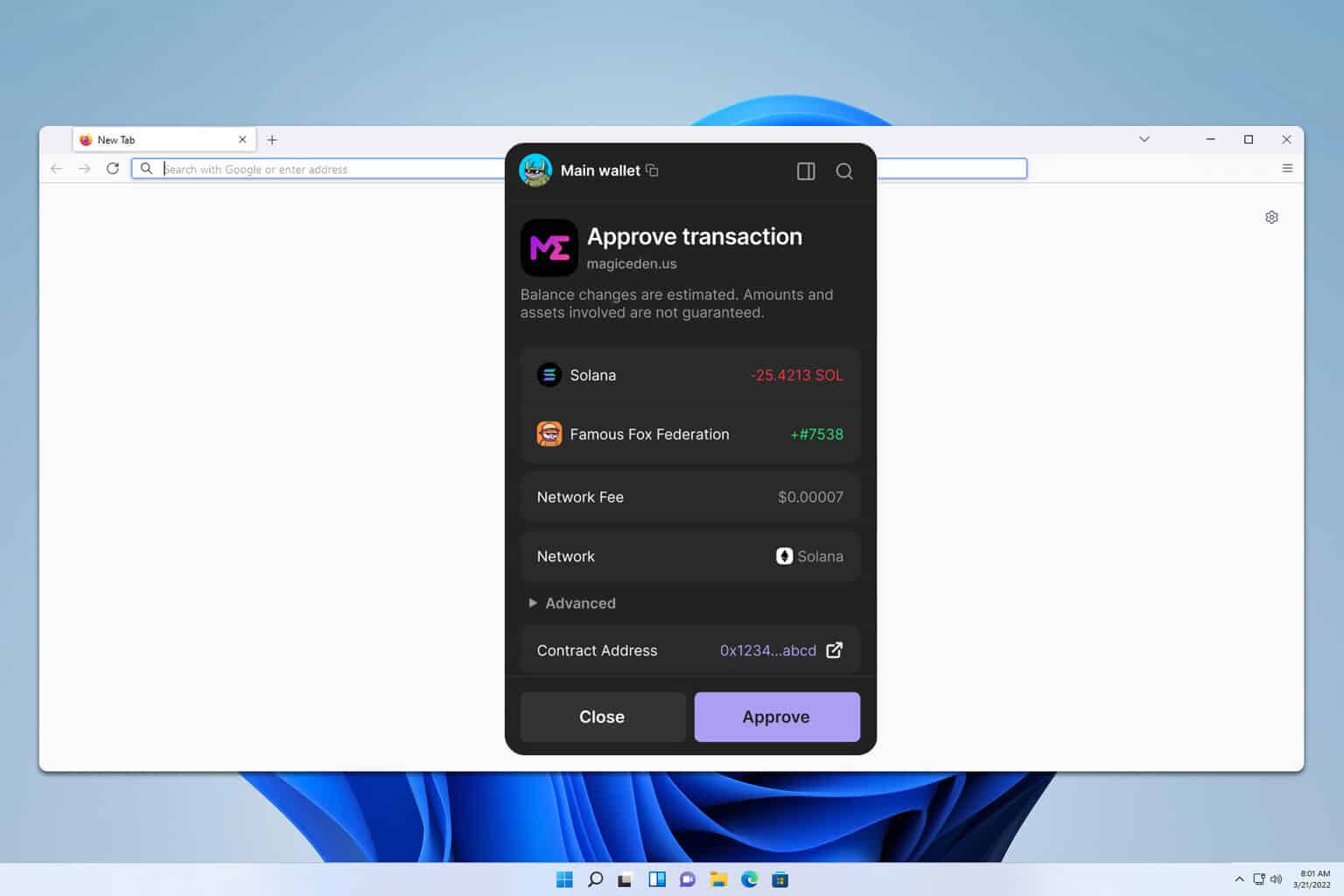
    Execution and Order Management: where strategy meets reality

    Execution transparency is crucial. If your fill algorithms are a black box you can’t debug, your strategy becomes a bet on vendor reliability. Hmm… that bugs me. You want logs. You want sequence numbers. You want the ability to replay the exact order lifecycle from placement to fill or rejection. Longer explanation: firms that provide per-order diagnostics and let you script custom order types reduce time-to-fix when weird market events show up.

    Here’s a checklist I share with colleagues: slippage modeling, native bracket orders, conditional OCO logic, and a clean API for manual overrides. On one hand, pre-built smart routing helps; on the other hand, you must be able to force direct market access when needed. Balancing convenience and control is a common tension—though actually, I prefer platforms that let you choose both.

    Automation and Strategy Development

    Automation is the big lure. Wow! The promise: build once, trade forever. Reality: strategies need observability. If your algo can’t emit metrics or trace decision points, debugging is a nightmare. My instinct said “set-and-forget,” but that’s naive. Automated live trading requires telemetry: per-trade latency, decision timestamps, confidence scores, and health checks.

    Frameworks matter too. Do you code in C#, Python, or a proprietary scripting language? Each has its tradeoffs. C# often gives speed and a mature ecosystem. Python offers rapid prototyping and lots of libraries. Proprietary languages sometimes mean faster ramp for non-programmers, though they can lock you in. On the practical side, support for versioning strategies and backtest comparison tools is a huge time saver. Seriously? Yes—if you ever try to reconcile why a strategy diverged from backtest during a live session, you’ll appreciate those tools.

    Risk Controls, Compliance, and Reliability

    Risk features are not glamorous, but they keep you in business. Pre-trade checks, session-level limits, automated kill-switches—these are essential. A platform that treats risk as an afterthought is a red flag. Initially I thought sophisticated traders would build their own risk checks externally, but actually it’s far easier and safer to have baked-in low-latency checks inside the platform that block orders before they hit the exchange.

    Reliability: uptime isn’t just a stat. It’s a behavior pattern across weekends, patch days, and volatile events. Look for published SLAs, patch notes, and community reports. Also check how the vendor handles failover and order state recovery; somethin’ like a mid-session restart shouldn’t orphan orders.

    Choosing: a pragmatic approach

    Start with your strategy profile. Short-term scalpers have a different wishlist than systematic swing traders. Map needs to features: if you need ultra-low latency and direct market access, prioritize a provider with colocated servers and explicit routing. If you’re heavy on strategy research and need flexible backtesting, favor platforms with robust historical tick support and scripting ecosystems.

    Try to run a candidate platform in a sandbox against a paper account for several market conditions—quiet, news, and gap opens. Spend at least a few weeks. You’ll uncover quirks. And when you do your trial, embed observability from day one: logging, metrics, and reconciliation routines. I can’t stress that enough.

    One practical tip: if you’re evaluating NinjaTrader, the vendor offers a full-featured trial and strong community resources. For an easy start, visit the link where you can get the installer and walkthrough: ninjatrader download. That download page is what many US retail futures traders use when they want to test locally; it’s not the only option, but it’s a solid starting point.

    FAQ

    Which platform is “best” for automated futures trading?

    There isn’t a single winner—best depends on your latency tolerance, coding language preference, and budget. Look for platforms with transparent data handling, a strong debugging toolset, and reliable order management. Also consider community and third-party integrations, because plugins and marketplace indicators can accelerate development.

    How should I validate a strategy before going live?

    Use multi-year tick data, simulate fees and slippage, run walk-forward or out-of-sample tests, and rehearse live in a paper account across different volatility regimes. Add monitoring and alerts so you catch behavioral drift early. And keep a log—manual notes help spot contextual issues during live events.

    Is low latency always worth the cost?

    Not always. For many retail and systematic traders, predictable execution and good tooling beat marginal latency gains. Low latency is critical for scalpers and market makers, but for trend or mean-reversion strategies on daily bars, robustness and reproducibility drive returns more than shaving microseconds.

  • Test Post for WordPress

    This is a sample post created to test the basic formatting features of the WordPress CMS.

    Subheading Level 2

    You can use bold text, italic text, and combine both styles.

    1. Step one
    2. Step two
    3. Step three

    This content is only for demonstration purposes. Feel free to edit or delete it.

  • Test Post for WordPress

    This is a sample post created to test the basic formatting features of the WordPress CMS.

    Subheading Level 2

    You can use bold text, italic text, and combine both styles.

    1. Step one
    2. Step two
    3. Step three

    This content is only for demonstration purposes. Feel free to edit or delete it.

  • Phantom, NFTs, and DeFi: A Practical Guide to Using a Solana Browser Wallet

    Okay, so check this out—if you’re playing around in Solana’s ecosystem, Phantom is one of those wallets that quickly becomes part of your daily toolkit. Wow. It handles NFTs, token swaps, staking, and connecting to dapps without feeling like an engineering exam. My instinct said it would be smooth, and for the most part it is, though there are a few rough edges that bug me.

    First impressions matter. Phantom’s interface is clean. It hides a lot of complexity behind simple buttons, which is both good and sometimes frustrating—because you don’t always see what’s happening under the hood. Initially I thought it was just another extension, but then I realized how much it ties into Solana-specific flows (fast finality, low fees, SPL token quirks). Actually, wait—let me rephrase that: it’s built for speed, and that speed changes how you think about transactions and confirmations compared with Ethereum wallets.

    Phantom wallet extension open with NFTs and a DeFi swap screen

    What Phantom does well (and where to be careful)

    Phantom is great for NFT collectors. Seriously? Yes. It renders on-chain NFTs, shows metadata, and makes transfers straightforward. Medium-sized collections show up cleanly. But watch out: some NFTs rely on off-chain metadata, so the wallet’s preview might not always match the marketplace view. On one hand that’s fine—though actually, it’s worth double-checking on the marketplace before clicking “send.”

    For DeFi, Phantom integrates swaps and token approvals nicely. Transactions are fast and cheap, so experimenting with small trades is reasonable. My gut feeling is to start small. Something felt off the first time I approved a token for the wrong amount—so always inspect approvals. Use the “settings” and “approvals” sections to revoke permissions you no longer need. It’ll save you headaches later.

    Phantom supports hardware wallets (Ledger), which is huge. If you’re moving meaningful value or holding rare NFTs, use a Ledger. It adds a step, sure, but that security tradeoff is worth it. I’m biased, but for real assets, do not keep everything in a hot extension without some cold backup.

    Installing and verifying the extension

    Install Phantom only from trusted sources. I know, that’s obvious, but phishing extensions are a real problem. If you want to check a download link that someone sent, compare it to the official domain (phantom.app) and the Chrome or Edge Web Store listing. Also, you can view the extension’s permissions before adding it—don’t skip that. One place people sometimes land is a third-party page offering downloads; be cautious and verify. Here’s a link you can review: https://sites.google.com/cryptowalletextensionus.com/phantomwalletdownloadextension/ (but honestly, double-check the URL you use and prefer official channels).

    When setting up, you’ll be prompted to create a new wallet or restore one from a seed phrase. Do not, ever, type your seed phrase into a website or send it to someone. Keep it offline. Write it down. Store copies in secure places. My experience: a paper backup in a safe plus a sealed secondary copy stored elsewhere works well. Oh, and hardware backups are better.

    Everyday workflows: sending, receiving, staking, and NFTs

    Sending and receiving SOL or SPL tokens is intuitive. Click “Send,” paste the address, and confirm. Short transactions, fast confirmations—this is Solana at work. But here’s the thing: small mistakes still cost money. Copy-paste addresses and confirm the first few characters visually. If you see a memo field or unusual prompt, pause.

    NFT transfers are similar. When you transfer, Phantom shows the token’s name and collection info. Pause and confirm that’s the right item. If you plan to list or buy on a marketplace, connect Phantom and only approve the exact actions you intend. That approval flow can be subtle: sometimes sites ask for blanket permissions. Decline blanket approvals when you can.

    Staking SOL in Phantom is straightforward. You can delegate to a validator from within the app. Look up validators (reputation, commission, performance) before delegating. On one hand, staking feels low-risk; on the other, validator selection matters for long-term yields and network health.

    Security tips (practical, not preachy)

    Be paranoid in small doses. Use a hardware wallet for big balances. Keep software updated. Only connect to dapps you trust. Revoke approvals when a dapp is no longer used. And if something smells phishy—links in Discord DMs, random airdrop prompts, urgent “verify your wallet” messages—stop. Seriously, stop. Scam social engineering is the low-hanging fruit for attackers.

    Also: consider separating funds. Keep a “spend” account for daily swaps and mints, and a “hold” account—ideally with hardware wallet—for long-term assets. It sounds tedious. But it’s saved me from silly losses before.

    FAQ

    Is Phantom safe?

    Phantom is generally considered safe as a software wallet. But security depends on your hygiene: use official downloads, keep seed phrases offline, and use a hardware wallet for significant holdings.

    Can Phantom hold NFTs?

    Yes. Phantom displays on-chain NFTs and lets you transfer them. It handles SPL standard NFTs and makes collection browsing straightforward. Always confirm metadata and token IDs when transferring.

    Does Phantom support DeFi on Solana?

    Yes. You can swap tokens, add liquidity on supported platforms, and connect to DeFi dapps. Because Solana transactions are fast and cheap, experimenting is less painful—but still, start small and check approvals.

    How do I recover my wallet?

    Use your seed phrase or Ledger to restore. Never share the phrase. If you lose it and don’t have a hardware key, recovery is unlikely—so back up your phrase securely.

    Alright—final thought: Phantom makes Solana approachable, but the ecosystem moves fast and sometimes unpredictably. Keep learning, stay cautious, and treat your wallet like the key to your front door. You wouldn’t hand that key to strangers, right? I’m not 100% sure about everything here, but these practices have saved me from scrapes more than once. Somethin’ to keep in mind.

  • Test Post for WordPress

    This is a sample post created to test the basic formatting features of the WordPress CMS.

    Subheading Level 2

    You can use bold text, italic text, and combine both styles.

    1. Step one
    2. Step two
    3. Step three

    This content is only for demonstration purposes. Feel free to edit or delete it.

  • Why Your Mobile Wallet Should Do More Than Hold Coins — Privacy, Swaps, and Real Usability

    Whoa!
    I remember the first time I used a mobile XMR wallet and felt like I had discovered somethin’ private amid a noisy market.
    It was small and clumsy at first, but the instinctual relief of holding Monero on a phone — untethered from large exchanges — was immediate and oddly comforting.
    At first I thought mobile wallets were just convenience tools, but then I realized they can reshape how privacy-conscious people move value without leaking metadata.
    That shift in thinking matters because the choices we make about wallets ripple into everyday privacy, and sometimes into legal gray areas that most folks don’t even see coming.

    Really?
    A wallet should be more than a balance screen.
    It should be a trust-minimized hub that lets you swap, shield, and control your coins without creating a paper trail you can’t live with later.
    On one hand, custodial apps feel easy and get you trading fast; on the other hand, those conveniences come with trade-offs that are not worth it for privacy-sensitive users who value anonymity.
    My take is simple: give people tools that default to privacy, but still play nice when they need liquidity or multi-currency support — and do it in a way that doesn’t require a law degree to understand.

    Hmm…
    Swapping in-wallet is a real game-changer.
    It reduces round trips to exchanges and limits on-chain exposures, which is huge for Monero users especially, though actually—it’s complicated when you mix chains and protocols.
    When a mobile wallet integrates exchange functionality, it needs to handle routing, rate slippage, and privacy implications, all while keeping UX friendly for someone on the subway or in a coffee shop.
    That balance — between sophisticated backend mechanics and simple front-end interactions — is the quiet engineering art that’s often overlooked.

    Here’s the thing.
    Not all in-wallet exchanges are equal.
    Some are thin wrappers over third-party services and leak too much information; others try to be hybrid, using relays, OTC-style liquidity pools, or cross-chain atomic mechanisms that protect metadata better.
    I prefer approaches that minimize KYC touchpoints and avoid persistent user profiling, though I’m not 100% sure any solution is perfect right now.
    Still, it’s better to pick a wallet with options and transparency than one that hides the plumbing under flashy buttons.

    Whoa!
    When testing mobile XMR wallets I looked for three core things.
    One: how the wallet constructs and broadcasts transactions — does it route through a remote node, or let you run your own?
    Two: whether the swap function uses trustless or semi-trusted liquidity, because that determines how much of your identity you expose when converting BTC to XMR or vice versa.
    Three: how well the wallet isolates keys and handles backups, since losing your seed while swapping is very very important to avoid.

    A smartphone showing a Monero wallet with swap options on-screen, mid-swipe

    Designing for Privacy Without Sacrificing Usability

    Seriously?
    People often expect perfect privacy right out of the box.
    But privacy is a layered practice, not a single feature you toggle on.
    Initially I thought a single-button “Private Mode” would do it, but that was naive; actual privacy workflows require choices, defaults, and education built into the UX.
    So wallets should guide users gently — not lecture them — while keeping advanced controls available for power users.

    Whoa!
    A good mobile wallet will offer options like remote-node selection, Tor or VPN routing, and in-wallet exchange routing transparency.
    Those are not mere checkboxes; they materially change how much information leaks during swaps and broadcasts.
    On the technical side, Monero’s privacy model differs from Bitcoin’s and that difference complicates cross-chain swaps — you need intermediaries or off-chain settlement layers that respect privacy, or else something leaks.
    That said, new relay and aggregator models are emerging which reduce leakage by obfuscating timing and routing data, though they add complexity that wallets have to hide from users without hiding the truth.

    Hmm…
    I tried using a wallet that routed swaps through multiple relays and it felt smoother than I expected.
    But there were moments when rates lagged, and the app threw up a terse error that made me pause — human error and edge cases still pop up.
    Frankly, this part bugs me: good error messages are underrated, and privacy wallets often give you nothing but cryptic codes when things go sideways.
    UX isn’t just pretty icons; it’s how you handle the mess.

    Here’s the thing.
    Backup and recovery matter as much as privacy features.
    If you can trade privately but lose your seed or your backup phrase is compromised, all the privacy engineering is moot.
    So whenever I’m evaluating a wallet I look at the backup options: are seeds stored on device only, is there support for mnemonic passphrases, and can I export an encrypted backup to my own cloud safely?
    Those are practical trade-offs that real people will wrestle with at 2 a.m., sometimes on a bus, so the processes must be clear, fast, and forgiving.

    Exchange Mechanics: Custodial vs. Non-Custodial in Wallets

    Really?
    There’s a spectrum, not a binary.
    Custodial swaps are fast and smooth, but your privacy is surrendered in subtle ways because you’re trusting a provider with both funds and data.
    Non-custodial swaps preserve control but introduce UX and liquidity challenges, often requiring routing through decentralized liquidity pools or atomic-swap protocols that are still maturing.
    On the balance sheet, for privacy-first users I lean toward well-implemented non-custodial or hybrid models that minimize long-lived custody and KYC exposure.

    Whoa!
    Consider routing: some wallets batch or delay swap broadcasts to obscure timing correlations, and others use intermediate addresses to break linkability.
    These techniques can be effective, though they increase complexity and sometimes cost.
    There’s also the practical matter of fees: cross-chain swaps will inevitably layer fees and spread, and you should know when the convenience is worth the premium.
    I tell people to treat swaps like travel: cheaper routes exist, but the quickest, low-exposure paths may cost more — choose based on threat model.

    Hmm…
    Security models are also a factor — does the wallet isolate swap keys from main private keys, and are there multi-sig options for added safety?
    I experimented with a mobile wallet that supported hardware key integration and it felt bulletproof, though slightly less convenient.
    It’s a trade-off I’m willing to make for larger amounts.
    For everyday small transfers, a well-audited mobile-only flow is often fine, but always segment funds by purpose: spend, save, and trade buckets — and treat them differently.

    Here’s the thing.
    If you care about privacy and hold multiple currencies, you want a wallet that embraces both Monero’s privacy primitives and mainstream currencies like Bitcoin, without forcing you into central KYC.
    That means clear disclosures about what data a swap partner collects, how long they retain it, and whether they share it with third parties.
    Transparency matters more than marketing claims, because you’re trusting a tool with the map to your financial truths.

    Whoa!
    If you’re curious about practical options, a lot of the newer mobile wallets are striving for this balance — they document trade routes, support Tor, and let you run a node if you’re paranoid.
    One place to start poking around is the project pages and web interfaces where devs post technical notes and privacy papers; sometimes the best info is buried in release notes.
    I keep an eye on projects that publish both usability tests and privacy audits, and I usually try them on an old phone first to avoid risking main funds.
    Oh, and by the way, if you want to check a wallet that focuses on mobile privacy and has in-wallet features, see this link: https://cake-wallet-web.at/ — their docs are straightforward and their approach is worth reading.

    FAQ

    Can a mobile wallet truly protect my privacy?

    Short answer: mostly, if used correctly.
    Longer answer: mobile wallets can protect metadata and obfuscate on-chain links, but you must configure node access, routing (Tor/VPN), and swap providers carefully.
    Also, habits matter — address reuse, screenshots, and cloud backups can leak data even when the wallet is sound.

    Are in-wallet swaps safe for Monero?

    They can be, depending on the swap architecture.
    Non-custodial atomic or decentralized routing preserves more privacy, while custodial swaps may require KYC that undermines anonymity.
    Check whether the wallet publishes how swaps are routed and whether it partners with privacy-respecting liquidity providers.

    How do I start testing without risking my funds?

    Use small amounts first.
    Try on a secondary phone or a sandbox profile, and test backup and recovery procedures before moving big balances.
    Work incrementally: test node settings, then swap flows, then hardware integrations — each step reduces surprises later.

  • Why I Trust Monero Wallets — and Why You Should Care About XMR Storage

    Whoa!

    I’ve been poking around privacy crypto for years, and Monero still feels refreshingly stubborn. My instinct said this was the one to stick with early on. Initially I thought privacy coins would fade, but then I watched adoption and tooling quietly improve — and that changed my view. There are trade-offs, of course, though actually, wait—let me rephrase that: trade-offs mostly favor users who care about on-chain privacy, but those users need a plan.

    Seriously?

    If you’re reading this, you probably want to hold XMR securely and privately. You’re not alone; people in coffee shops and on airplane rides here in the US ask me about wallets all the time. On one hand hardware wallets are a no-brainer for long-term storage, though on the other hand usability matters a lot for day-to-day spending. My advice fluctuates depending on needs — offline cold storage for savings, a small mobile wallet for daily use, and a clear backup strategy in between.

    Hmm…

    Hardware wallets give peace of mind. Medium-length sentences help explain why: they isolate private keys from networked devices. Long complex thoughts matter here because the real risk is not just theft, but seed leakage over time through sloppy backups or reused systems which can cascade into permanent losses if you’re not careful. In practice that means using official firmware, verifying device authenticity, and keeping your seed phrase under multiple layers of physical security.

    Here’s the thing.

    Using remote nodes reduces local resource needs, but it leaks metadata unless you trust the node. Many users default to remote nodes because running a full node is annoying — I get that; been there, done that, left clothes on the line. Still, running your own node is the most privacy-preserving option, and even running a pruned node helps a lot. There’s a middle path: run a private node on a cheap VPS and connect your wallet to it, though that requires comfort with server setup and an eye on costs (and trust boundaries).

    A simple sketch of wallet security layers, from mobile to hardware to cold storage

    Practical steps and a place to start

    If you want a place to start that isn’t spammy, check the xmr wallet official site for basic downloads and instructions. I’m biased, but having one canonical page to verify builds and get links from is handy. On a tactical level: split your holdings, use a hardware wallet for the bulk, keep a hot wallet for daily small spends, and rehearse a recovery. Also, write your seed on metal or at least somewhere that can survive a leak or a flood — paper is fine temporarily, but it’s fragile.

    Whoa!

    Here’s a few practices I follow. First, air-gapped signing for large transfers when possible. Second, seed backups in multiple geographically separated locations. Third, periodic checks: make sure you can recover, because a seed that looks fine on paper might fade or smudge. I’ll be honest, this part bugs me — too many people assume a photo of a seed phrase is a backup. It isn’t. Photos leak, devices get hacked, and cloud storage is the enemy of privacy.

    Seriously?

    When selecting wallet software pay attention to provenance and community reviews. Open source matters because it allows independent audits, though open source alone isn’t a silver bullet; build reproducibility and active maintainers matter too. Initially I trusted a UI because it looked slick, but then I realized that ease of use can hide risk — so vet dev channels and check release signatures. On top of that, keep your system patched and avoid wallet use on compromised devices.

    Hmm…

    For many US users the friction is legal and practical. Banks, exchanges, and tax forms create behavioral pressure that pushes people toward custodial services, which is the opposite of privacy. My instinct said use hardware then move on, but the reality is more complicated — people need habits that fit their lives. So plan for compliance where required, but minimize exposure where you can: withdraw to cold storage, and don’t keep large balances on exchanges.

    Here’s the thing.

    Community support is underrated. Join local or online groups, but be cautious about oversharing. Talk in generalities when you need help; don’t post your address or balances. On one hand there’s value in quick tips, though on the other hand privacy slips fast when folks brag about holdings. Practice humility; privacy is a process, not a feature you toggle on once and forget.

    FAQ

    What’s the safest way to store XMR?

    Split holdings. Use a hardware wallet for the bulk of your XMR, a mobile or desktop wallet for small day-to-day amounts, and a tested recovery plan. Offline cold storage on trusted devices plus a verified seed backup on metal is my go-to. Also, periodically test the recovery on a fresh device to be sure the seed works.

    Should I run my own Monero node?

    Yes if you can. Running your own node offers the best privacy and sovereignty. If that’s too heavy, consider a trusted VPS or use privacy-respecting remote nodes cautiously. Remember: remote nodes trade convenience for some metadata exposure.

    How do I choose a wallet?

    Look for active maintainers, reproducible builds, and community trust. Consider hardware compatibility, ease of use, and whether you can connect to your own node. I’m not 100% strict on one approach — different people need different setups — but verify builds and keep your software updated.

  • Test Post for WordPress

    This is a sample post created to test the basic formatting features of the WordPress CMS.

    Subheading Level 2

    You can use bold text, italic text, and combine both styles.

    1. Step one
    2. Step two
    3. Step three

    This content is only for demonstration purposes. Feel free to edit or delete it.

  • Why I Trust (and Worry About) Mobile Privacy Wallets — A Close Look at Cake Wallet for Monero and Bitcoin

    Whoa! Okay, so here’s the thing. Mobile crypto wallets are convenient in a way that almost feels reckless sometimes. They live in your pocket, sync on cellular, and let you move serious money while waiting in line for a sandwich. My instinct said: this is brilliant. Then I dug in and felt a little queasy… because convenience and privacy rarely ride together without compromise.

    I use mobile wallets a lot. Not for everything, but for a practical slice of daily crypto life — testnets, small trades, and quick Monero sends when I need stealth. At the same time, I’m picky. I’m biased, but I prefer non-custodial designs, local seed phrases, and options to use my own node. Cake Wallet comes up a lot in conversations. It’s easy to recommend casually, though actually, wait—let me rephrase that: I recommend it conditionally. You should know why, and you should know the pitfalls.

    Smartphone showing a privacy-focused wallet interface with balance and send buttons

    So what does Cake Wallet get right?

    First off, Cake Wallet understands the basics that matter to privacy people: non-custodial keys, seed backups, and support for Monero (XMR). Seriously? Yes. Monero is its big draw. The wallet handles XMR’s unique mechanics — ring signatures, stealth addresses, and RingCT — so you can send truly private transactions without dealing with a full node if you don’t want to.

    That’s huge. For many users, running a full Monero node on a phone is impractical. Cake gives a lighter-weight path. On top of that, it usually offers a straightforward UI for BTC and some other coins, meaning you can keep multiple balances in one place. That convenience is very very nice. But again, convenience invites trade-offs.

    Initially I thought Cake Wallet was simply another mobile app. Then I realized how much subtle design matters: where the remote node is hosted, how the wallet handles transaction broadcasting, and whether metadata leaks are minimized. On one hand the app reduces friction. On the other hand you may be handing off some privacy to remote infrastructure. Hmm…

    Pro tip: if you’re curious about downloading it right now, check this link — https://sites.google.com/mywalletcryptous.com/cake-wallet-download/ — but verify the source before you tap install, ok? I’m not 100% sure the site will always be maintained, so double-check the app publisher and reviews in your app store.

    Common privacy trade-offs to watch for

    Short version: remote nodes, analytics, and OS-level telemetry are the top three culprits. Remote nodes are convenient because they let your wallet read the blockchain without downloading it. But those nodes can see your IP and the history of addresses you query. It’s a subtle leak that many people ignore until it’s too late.

    On modern phones, apps often phone home. Some of that is benign — update checks, crash reports. Some of it is not. Cake Wallet has historically tried to keep things lean, but app ecosystems change. So keep an eye out. If something feels off, uninstall, clear the app data, and re-seed from your mnemonic on a fresh install.

    Also: backups. Write down your seed. Physically. Do not screenshot it and stash the screenshot in cloud storage. That advice is boring but very very important. I say this as someone who once almost lost access because I trusted my phone too much.

    Practical setup for better privacy

    Start on a clean device when you can. Seriously. A phone with fewer installed apps has fewer attack vectors. Disable unnecessary permissions. Use a VPN or Tor when connecting to a remote node, though be mindful that Tor can sometimes break connectivity for light wallets. If you can run your own node at home and connect to it over a secure channel, do that. It’s the gold standard.

    On the wallet itself, choose strong PINs and enable any available biometric fallback only if you understand the trade-offs. Biometrics are great for daily convenience, but they can complicate legal and forensic scenarios. I’m not 100% sure people want that nuance, so I’m putting it plainly: think about future-you, not just now-you.

    Finally, keep the app updated. Updates fix security bugs. They also sometimes add telemetry. Read the changelog if it’s available. If an update suddenly asks for odd permissions, pause and investigate.

    Typical failure modes — and what to do

    People make small mistakes that become big problems. Example: seeding a wallet on a rooted phone because “I need this app” — bad idea. Example two: buying a used phone and restoring from a cloud backup that contains wallet data — risky. There’s also social engineering: someone asks you to export a view key “to help troubleshoot” — don’t do it without validation.

    If something goes wrong: freeze activity, don’t import the seed to any third-party service, and if possible move funds to a new wallet that you set up on a clean device. Yes, that can be a pain. But losing funds or privacy is worse.

    FAQ

    Is Cake Wallet fully private?

    It’s private by design for Monero transactions, since XMR’s protocol gives inherent privacy protections. But the overall privacy you achieve depends on choices outside the app: node selection, OS privacy, and network routing. On the balance, Cake can be a strong tool—when used carefully.

    Can I use Cake Wallet for Bitcoin privacy too?

    Yes, to an extent. Bitcoin lacks Monero-level privacy by default, so you need extra practices: coin control, CoinJoin services, and avoiding address reuse. Cake Wallet simplifies BTC management, but it’s not a magic privacy solution. Use it with informed habits.

    What if I want absolute privacy?

    No mobile setup is perfectly private. For absolute control, run your own full nodes and prefer hardware wallets and air-gapped signing when possible. That’s extreme for daily use, though, and most users will accept reasonable trade-offs.

    Okay, to wrap this up — though “wrap up” sounds too neat for something messy like privacy — here’s my felt take: Cake Wallet is a useful, pragmatic tool if you value Monero and want mobile convenience. It isn’t a silver bullet. Use it smartly, and assume nothing is fully private by default. Learn a bit about nodes, backups, and network hygiene. You’ll sleep better. Or at least, you’ll sleep with fewer “oh no” moments in the morning.

  • Test Post for WordPress

    This is a sample post created to test the basic formatting features of the WordPress CMS.

    Subheading Level 2

    You can use bold text, italic text, and combine both styles.

    1. Step one
    2. Step two
    3. Step three

    This content is only for demonstration purposes. Feel free to edit or delete it.

  • Test Post for WordPress

    This is a sample post created to test the basic formatting features of the WordPress CMS.

    Subheading Level 2

    You can use bold text, italic text, and combine both styles.

    1. Step one
    2. Step two
    3. Step three

    This content is only for demonstration purposes. Feel free to edit or delete it.

  • Why Yield Farming and Staking Pools Aren’t Opposites — They’re Competing Tradeoffs

    Whoa! This whole space moves fast. Seriously? One week a protocol feels bulletproof; the next it’s a cautionary tale. My instinct said years ago that liquid staking would change how people chase yield, and, well, something felt off about how folks simplified the tradeoffs. I’m not claiming to have all the answers. Actually, wait—let me rephrase that: based on analysis of on-chain flows, protocol economics, and community governance trends, it’s clear there are layers here that most short takes miss. Here’s the thing. You can chase high APRs today and still get roasted by systemic risks tomorrow.

    Okay, so check this out—yield farming, DeFi protocols, and staking pools all promise yield. But they promise it in different currencies of risk. Yield farming commonly pays in native tokens plus fees. Staking pays in base protocol rewards (like ETH issuance) and sometimes fee shares. Each reward stream behaves differently under stress. At a glance that seems obvious. On the other hand, though actually, the devil is in the composition of counterparty and smart-contract risk, liquidity, and composability.

    Let me be direct: yield is not just about percentage points. It’s about timing, liquidity, and how the protocol captures revenue. For example, a DeFi pool might offer 50% APR by minting governance tokens and inflating supply. Looks sexy. But inflation dilutes long-term holders, and the farming contract could be a single-point-of-failure. Here’s what bugs me about headlines that only quote APYs—they treat the future like a stable rate. It isn’t.

    First principle: understand where yield actually comes from. Fees, token emissions, underlying staking rewards, and ancillary strategies (like MEV capture or rebalancing) are typical sources. On-chain, you can trace these flows. But each source has a fragility. Fees disappear under low usage. Emissions end or get rebalanced. Staking rewards hinge on validator performance and consensus rules. Hmm… there are no free lunches—only tradeoffs.

    Abstract visualization of yield layering in DeFi and staking

    Liquid Staking vs. Yield Farming: Complementary, Not Mutually Exclusive

    Liquid staking introduced an elegant abstraction: unlock staked capital liquidity without exiting the consensus layer. People often point at Lido as the poster child of this approach. If you want to read more about one major liquid staking option, see the lido official site. That said, liquid staking tokens (LSTs) like stETH, rETH, or similar are not magic. They trade, they peg (imperfectly), and they create new vectors for DeFi composability.

    Initially I thought LSTs would simply replace risky farms. But then realized the opposite: LSTs became a base asset for more exotic yield strategies—so farming on top of staking became a thing. On one hand, composability multiplies opportunity. On the other, it multiplies systemic coupling: if an LST depegs, leveraged positions and LPs can unwind in ugly ways. I’m biased, but stacking LSTs in high-leverage pools makes my stomach churn. Somethin’ about that concentrated risk feels like a classic leverage trap.

    Consider three scenarios. One: you stake ETH directly as a diversified holder, gaining issuance and helping decentralization. Two: you stake via a pooled liquid-staking provider and use the LST to farm extra yield (e.g., in an AMM pool). Three: you farm in a leveraged strategy that shorts or overweights LST exposure across many protocols. Each step adds vectors: custodian/contract risk, peg risk, and liquidation spirals. You decide where to sit on that spectrum.

    There’s also governance risk. Many high-yield farms rely on token incentives that central teams control. If governance votes to change emission schedules, or if a multisig signs a bad upgrade, yields can vanish fast. DeFi protocols are experimental by design. That reality is uncomfortable, and it should be.

    Practical Framework for Evaluating Yield Opportunities

    Here’s a simple mental checklist I use when evaluating any yield strategy. It’s not exhaustive. But it’s pragmatic.

    • Source of yield: fees, issuance, emissions, or service revenue?
    • Duration risk: is the yield time-limited (token emissions) or ongoing (protocol fees)?
    • Counterparty surface: single multisig, decentralized set of smart contracts, or external oracles?
    • Liquidity & exit path: can you get out during stress, or is the position dependent on peg stability?
    • Composability chain: how many protocols link together to produce that APR?
    • Governance & upgradeability: are there admins who can change rules instantly?

    Answering these reduces mental overhead. For instance, a pool with high fees but low TVL that pays via fees tends to be more sustainable than one where most of APR comes from token emissions and a small team controls the minting. This is very very important if you plan to hold long-term positions. Also, consider practical limits: slashing risk for Ethereum staking is low vs. other chains, but it’s not zero. Validator misconfiguration, client-level bugs, and social coordination failures have precedent.

    On MEV capture: sophisticated staking operators now run MEV-boost relays to capture extra yield for validators. That yield can be meaningful. But remember—MEV revenue distribution can be opaque, and validator operators differ in transparency. A provider claiming “maximized MEV” might concentrate power, which creates longer-term centralization tradeoffs. On one hand you get yield. On the other hand you consolidate influence over block production and proposer choice. Tradeoffs.

    Taxes matter too. Staking rewards, token emissions, and realized gains from LPs are treated differently by tax authorities (and often treated inconsistently by people). I’m not a tax advisor. But you should absolutely consider the taxable nature of yield when calculating net returns. This part bugs me because it often gets ignored until late—then it’s painful.

    Concrete Strategy Ideas — With Guardrails

    Okay, practical guidance. Not investment advice. But useful rules of thumb.

    1) Core-and-barbell: keep a core of unlevered staking exposure (either self-staked or through a reputable pooled provider) representing your long-term conviction. Use a smaller “barbell” for experimental yield farms. This reduces tail-risk concentration. I like this because it limits blow-up potential while letting you explore new alpha.

    2) Prefer fee-based yields for long holds. Fee capture aligns incentives with protocol usage. Emissions are temporary. Think of fees as rent and emissions as moving van promotions. Initially I favored emissions-heavy farms for quick gains, but that approach aged poorly in several cycles.

    3) Understand peg risk for LSTs before using them as collateral. If a protocol mints an LST with a complex rebasing mechanism, stress-test the scenarios where withdrawals halt. What happens to your LP token value then? I’m not 100% sure on every protocol nuance, but reading the withdrawal/exit model should be a priority.

    4) Look at operator decentralization for pooled staking. How many validators? Who picks them? Are there slashing insurance mechanisms? These questions aren’t glamorous, but they matter when large stakes are concentrated. Decentralization is both a security and governance metric.

    5) For short-term yield chases, set stop-losses and time-box experiments. Farming with high APRs can be addictive. Don’t let FOMO force leverage into opaque contracts. Seriously, set limits—mental or hard-coded—before you enter.

    FAQ

    What is the main risk of stacking yield strategies (staking + farming)?

    Layered strategies compound risks. Peg/peg-break of LSTs, smart-contract bugs, liquidation cascades, and governance changes are common failure modes. If one layer fails, others can cascade. So diversification across mechanisms and time horizons helps.

    Are liquid staking tokens safe enough to use as collateral?

    They can be, but “safe” is relative. Evaluate the provider’s withdrawal mechanics, peg maintenance, and contract upgradeability. If the LST relies on a central contract that could be paused, that’s a conditional risk when used as collateral.

    How should I compare APRs across protocols?

    Don’t just compare headline APRs. Decompose the yield into its sources, model potential drawdowns under stress, and estimate realistic after-tax returns. Factor in liquidity—if the APR assumes reinvestment but you can’t exit without slippage, the math changes.

    Final thought: the space rewards curiosity but punishes overconfidence. Initially I thought yield farming was the clearest path to alpha; now I see it as a toolkit that must be wielded carefully, with capital allocation, stress scenarios, and an honest appraisal of governance risk. There’s beauty in composability, and danger too. I’m intrigued, cautious, and not entirely sure where the next cycle will favor—protocols that prioritize sustainable fees or those that ride fresh token narratives. Either way, keep learning, read contracts (or have someone you trust read them), and don’t treat highest APR as the sole decision metric. Somethin’ tells me your future self will thank you.

  • तेरी हरयाली इन आँखों में है वरना

    तेरी हरयाली इन आँखों में है वरना

    तेरी हरयाली इन आँखों में है वरना,
    दिल तो कल भी रेगिस्तान था और आज भी है

  • मेरी मोहब्त को सलाम कर तू

    मेरी मोहब्त को सलाम कर तू

    मेरी मोहब्त को सलाम कर तू
    मेरी मोहब्त को सलाम कर तू बेवफ़ा
    तूने ज़हर देकर बेवफ़ाई निभाई 
    और हमने जान देकर आशिक़ी

    तू चाहती थी छोड़कर जाना
    तू चाहती थी छोड़कर जाना
    और हम दुनिया छोड़ कर चले आये
    कहती हो खुश हु आज
    मेरा दिल ठुकराकर
    और हम
    और हम आज फिर से आंशू बहा आये

    हिम्मत तो बहुत थीं 
    दुनिया से लड़ने की
    और जीत लेते हम भी इस जहाँ को
    लेकिन तेरे सामने हम खुद को हार आये

    पोस्ट मार्तम कर ले यमराज
    तू भी पोस्ट मार्तम कर ले यमराज
    लेकिन दिल
    लेकिन दिल तो हम अपना वही छोड़ आये


New Report

Close