
Phantom, NFTs, and DeFi: A Practical Guide to Using a Solana Browser Wallet

Okay, so check this out—if you’re playing around in Solana’s ecosystem, Phantom is one of those wallets that quickly becomes part of your daily toolkit. Wow. It handles NFTs, token swaps, staking, and connecting to dapps without feeling like an engineering exam. My instinct said it would be smooth, and for the most part it is, though there are a few rough edges that bug me.
First impressions matter. Phantom’s interface is clean. It hides a lot of complexity behind simple buttons, which is both good and sometimes frustrating—because you don’t always see what’s happening under the hood. Initially I thought it was just another extension, but then I realized how much it ties into Solana-specific flows (fast finality, low fees, SPL token quirks). Actually, wait—let me rephrase that: it’s built for speed, and that speed changes how you think about transactions and confirmations compared with Ethereum wallets.
What Phantom does well (and where to be careful)
Phantom is great for NFT collectors. Seriously? Yes. It renders on-chain NFTs, shows metadata, and makes transfers straightforward. Medium-sized collections show up cleanly. But watch out: some NFTs rely on off-chain metadata, so the wallet’s preview might not always match the marketplace view. On one hand that’s fine—though actually, it’s worth double-checking on the marketplace before clicking “send.”
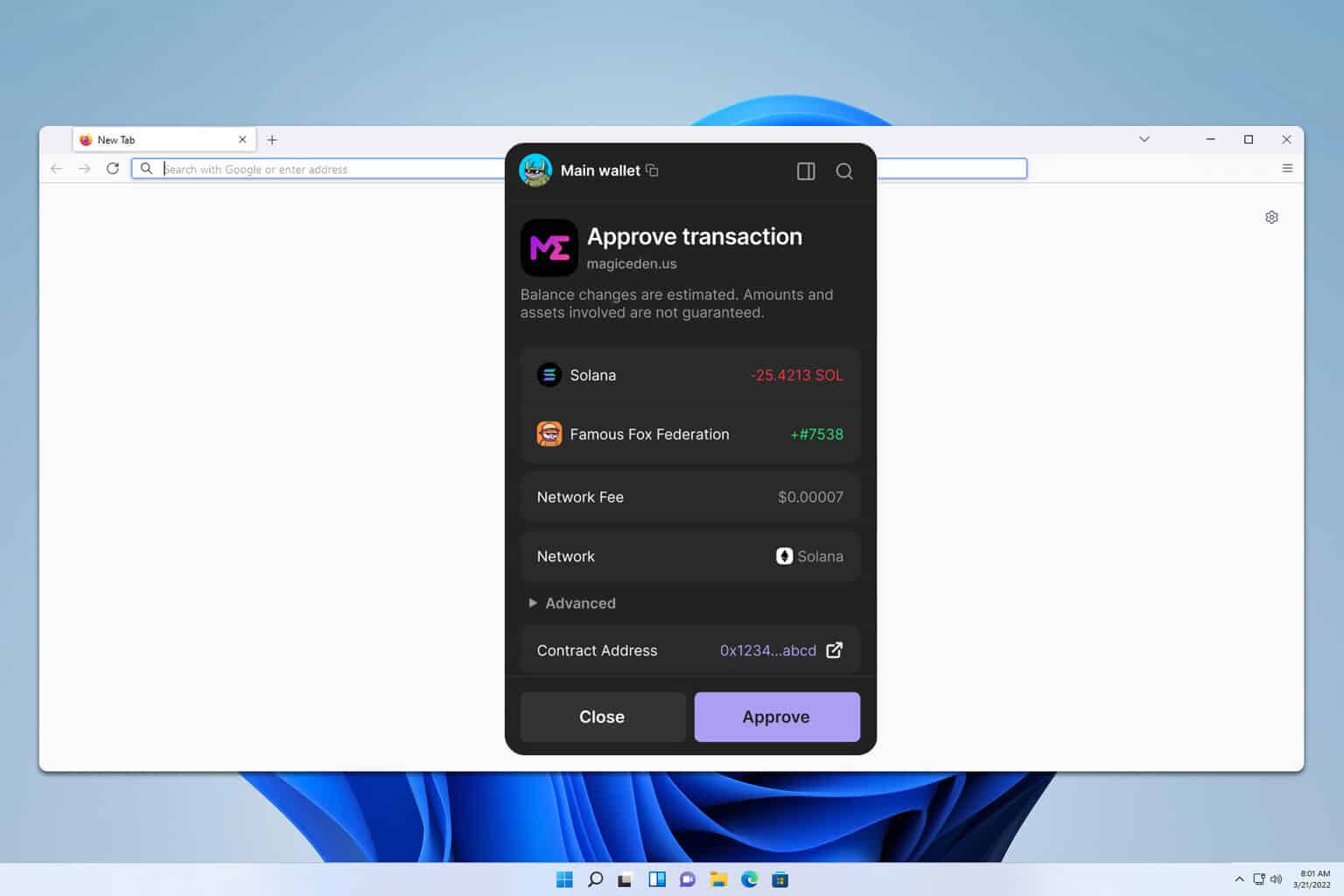
For DeFi, Phantom integrates swaps and token approvals nicely. Transactions are fast and cheap, so experimenting with small trades is reasonable. My gut feeling is to start small. Something felt off the first time I approved a token for the wrong amount—so always inspect approvals. Use the “settings” and “approvals” sections to revoke permissions you no longer need. It’ll save you headaches later.
Phantom supports hardware wallets (Ledger), which is huge. If you’re moving meaningful value or holding rare NFTs, use a Ledger. It adds a step, sure, but that security tradeoff is worth it. I’m biased, but for real assets, do not keep everything in a hot extension without some cold backup.
Installing and verifying the extension
Install Phantom only from trusted sources. I know, that’s obvious, but phishing extensions are a real problem. If you want to check a download link that someone sent, compare it to the official domain (phantom.app) and the Chrome or Edge Web Store listing. Also, you can view the extension’s permissions before adding it—don’t skip that. One place people sometimes land is a third-party page offering downloads; be cautious and verify. Here’s a link you can review: https://sites.google.com/cryptowalletextensionus.com/phantomwalletdownloadextension/ (but honestly, double-check the URL you use and prefer official channels).
When setting up, you’ll be prompted to create a new wallet or restore one from a seed phrase. Do not, ever, type your seed phrase into a website or send it to someone. Keep it offline. Write it down. Store copies in secure places. My experience: a paper backup in a safe plus a sealed secondary copy stored elsewhere works well. Oh, and hardware backups are better.
Everyday workflows: sending, receiving, staking, and NFTs
Sending and receiving SOL or SPL tokens is intuitive. Click “Send,” paste the address, and confirm. Short transactions, fast confirmations—this is Solana at work. But here’s the thing: small mistakes still cost money. Copy-paste addresses and confirm the first few characters visually. If you see a memo field or unusual prompt, pause.
NFT transfers are similar. When you transfer, Phantom shows the token’s name and collection info. Pause and confirm that’s the right item. If you plan to list or buy on a marketplace, connect Phantom and only approve the exact actions you intend. That approval flow can be subtle: sometimes sites ask for blanket permissions. Decline blanket approvals when you can.
Staking SOL in Phantom is straightforward. You can delegate to a validator from within the app. Look up validators (reputation, commission, performance) before delegating. On one hand, staking feels low-risk; on the other, validator selection matters for long-term yields and network health.
Security tips (practical, not preachy)
Be paranoid in small doses. Use a hardware wallet for big balances. Keep software updated. Only connect to dapps you trust. Revoke approvals when a dapp is no longer used. And if something smells phishy—links in Discord DMs, random airdrop prompts, urgent “verify your wallet” messages—stop. Seriously, stop. Scam social engineering is the low-hanging fruit for attackers.
Also: consider separating funds. Keep a “spend” account for daily swaps and mints, and a “hold” account—ideally with hardware wallet—for long-term assets. It sounds tedious. But it’s saved me from silly losses before.
FAQ
Is Phantom safe?
Phantom is generally considered safe as a software wallet. But security depends on your hygiene: use official downloads, keep seed phrases offline, and use a hardware wallet for significant holdings.
Can Phantom hold NFTs?
Yes. Phantom displays on-chain NFTs and lets you transfer them. It handles SPL standard NFTs and makes collection browsing straightforward. Always confirm metadata and token IDs when transferring.
Does Phantom support DeFi on Solana?
Yes. You can swap tokens, add liquidity on supported platforms, and connect to DeFi dapps. Because Solana transactions are fast and cheap, experimenting is less painful—but still, start small and check approvals.
How do I recover my wallet?
Use your seed phrase or Ledger to restore. Never share the phrase. If you lose it and don’t have a hardware key, recovery is unlikely—so back up your phrase securely.
Alright—final thought: Phantom makes Solana approachable, but the ecosystem moves fast and sometimes unpredictably. Keep learning, stay cautious, and treat your wallet like the key to your front door. You wouldn’t hand that key to strangers, right? I’m not 100% sure about everything here, but these practices have saved me from scrapes more than once. Somethin’ to keep in mind.
Responses